

1. Stalker
Andrei Tarkovsky's "Stalker" transcends mere science fiction, offering an almost spiritual pilgrimage into a forbidden, mysterious "Zone." It's a profound meditation on faith, desire, and the elusive nature of happiness, unfolding with a deliberate, hypnotic pace that demands patient contemplation. The film's aesthetic, a blend of decaying industrial beauty and lush, overgrown nature, creates an overwhelmingly atmospheric experience. Tarkovsky masterfully uses long takes to immerse the viewer in its philosophical depths, an unparalleled exercise in slow cinema's power.
2. Eraserhead
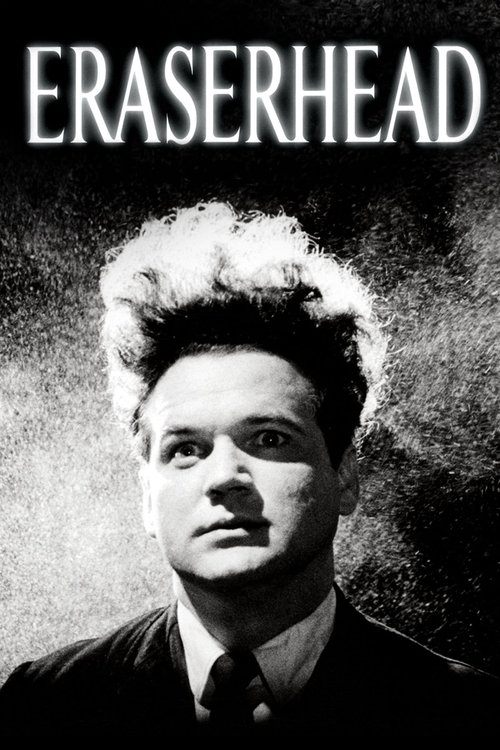
David Lynch's debut feature, "Eraserhead," is a black-and-white industrial nightmare, a deeply unsettling exploration of urban decay, anxiety, and the grotesque aspects of human existence. Its stark, minimalist aesthetics and disquieting sound design craft a uniquely oppressive atmosphere, reflecting a protagonist's descent into a surreal, fragmented reality. This film isn't merely watched; it's experienced, burrowing into the subconscious with its haunting imagery and profound sense of alienation. It remains a foundational text for cinematic surrealism.

3. Persona
Ingmar Bergman’s "Persona" is a psychological masterpiece, an audacious examination of identity, performance, and the permeable boundaries between individuals. Following an actress who ceases to speak and her nurse, the film delves into their merging personalities through intensely intimate close-ups and a fractured narrative structure. Bergman challenges the very nature of cinema itself, breaking the fourth wall and playing with visual symbolism. It's a searing, intellectual work that leaves an indelible mark, questioning the masks we wear and the selves we reveal.
4. Satantango
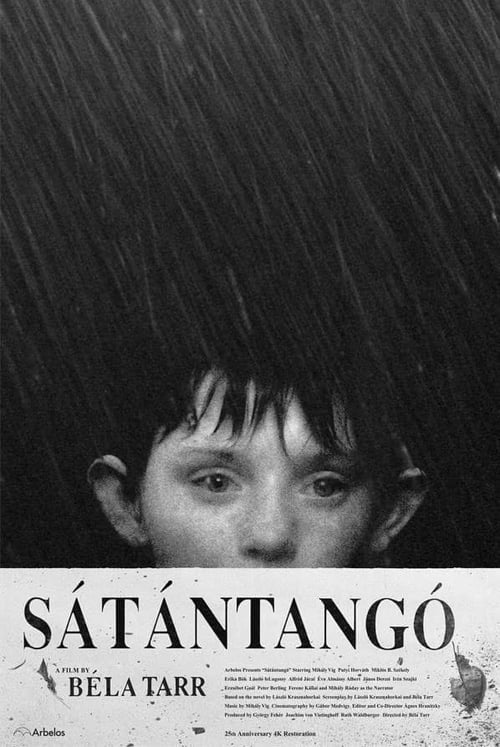
Béla Tarr's seven-hour epic, "Satantango," is an immersive, bleak, and utterly compelling journey through a post-communist Hungarian village in decline. Its legendary long takes, often lasting several minutes, create a hypnotic rhythm, mirroring the characters' stagnant lives and the endless, drizzling rain. This is not entertainment in the conventional sense, but a profound, almost spiritual experience of human despair, resilience, and the slow march of time. It’s cinema as an endurance test, rewarding patience with unparalleled artistic vision.
5. Meshes of the Afternoon
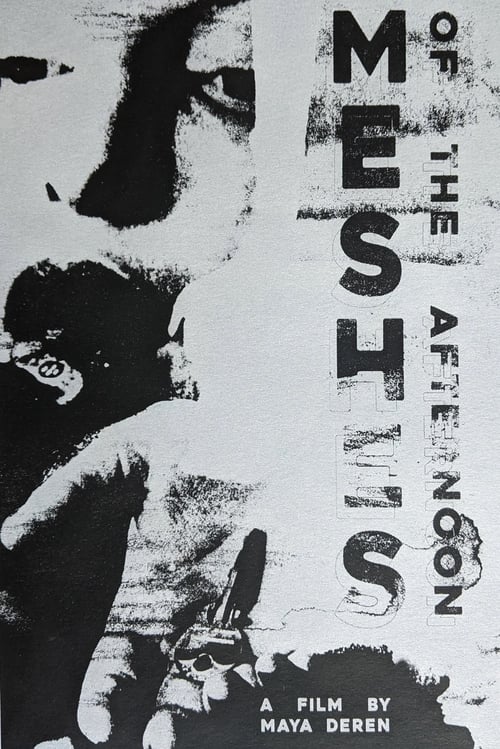
Maya Deren's "Meshes of the Afternoon" is a seminal work of American avant-garde cinema, a sixteen-minute fever dream that shattered traditional narrative conventions. Through symbolic imagery, repetition, and a circular structure, Deren explores the subconscious mind, identity, and the fluid nature of reality. It's a highly influential short film, demonstrating how personal vision and experimental technique can unlock profound psychological landscapes. This remains a captivating and haunting piece, a masterclass in subjective filmmaking.

6. Salò, or the 120 Days of Sodom
Pier Paolo Pasolini’s final, notorious film, "Salò," is a harrowing, unflinching allegory for the horrors of fascism, set during World War II. Adapting Marquis de Sade's work, it depicts four wealthy libertines subjecting young victims to unspeakable acts of degradation and torture. While deeply disturbing, its intent is not exploitation but a searing indictment of power's corrupting influence and the dehumanizing nature of totalitarianism. It's a difficult, yet undeniably significant, piece of cinematic history.
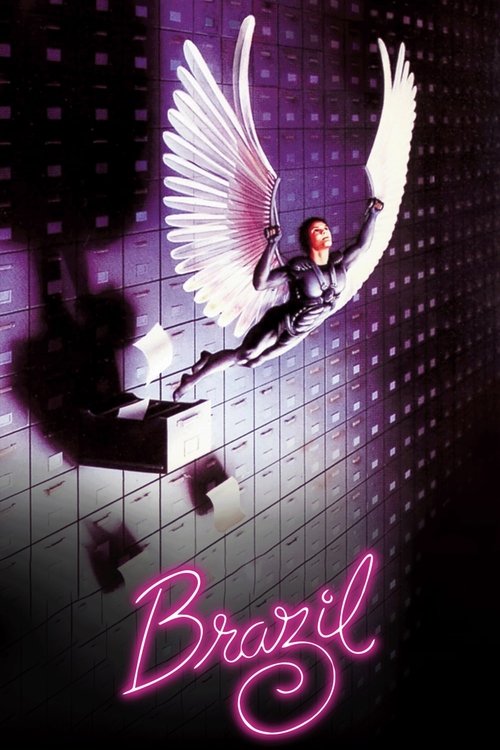
7. Brazil
Terry Gilliam's "Brazil" is a dystopian masterpiece, a darkly comedic and visually audacious critique of bureaucratic absurdity and unchecked state power. Sam Lowry's attempts to escape his mundane existence through vivid dreams collide spectacularly with a labyrinthine, dehumanizing system. Its intricate production design, imaginative special effects, and a blend of slapstick and profound melancholia create a unique, enduring vision. Gilliam crafts a world both terrifying and strangely beautiful, a timeless reflection on individual freedom versus systemic oppression.

8. Possession
Andrzej Żuławski's "Possession" is a furious, visceral exploration of a marriage's violent disintegration, framed within a Cold War espionage context and supernatural horror. Isabelle Adjani's raw, almost superhuman performance anchors this intensely chaotic and emotionally draining film. It’s a relentless descent into madness, betrayal, and the monstrous aspects of human relationships, culminating in unforgettable, grotesque imagery. "Possession" defies easy categorization, a profoundly unsettling and singularly powerful cinematic experience that leaves one breathless.