

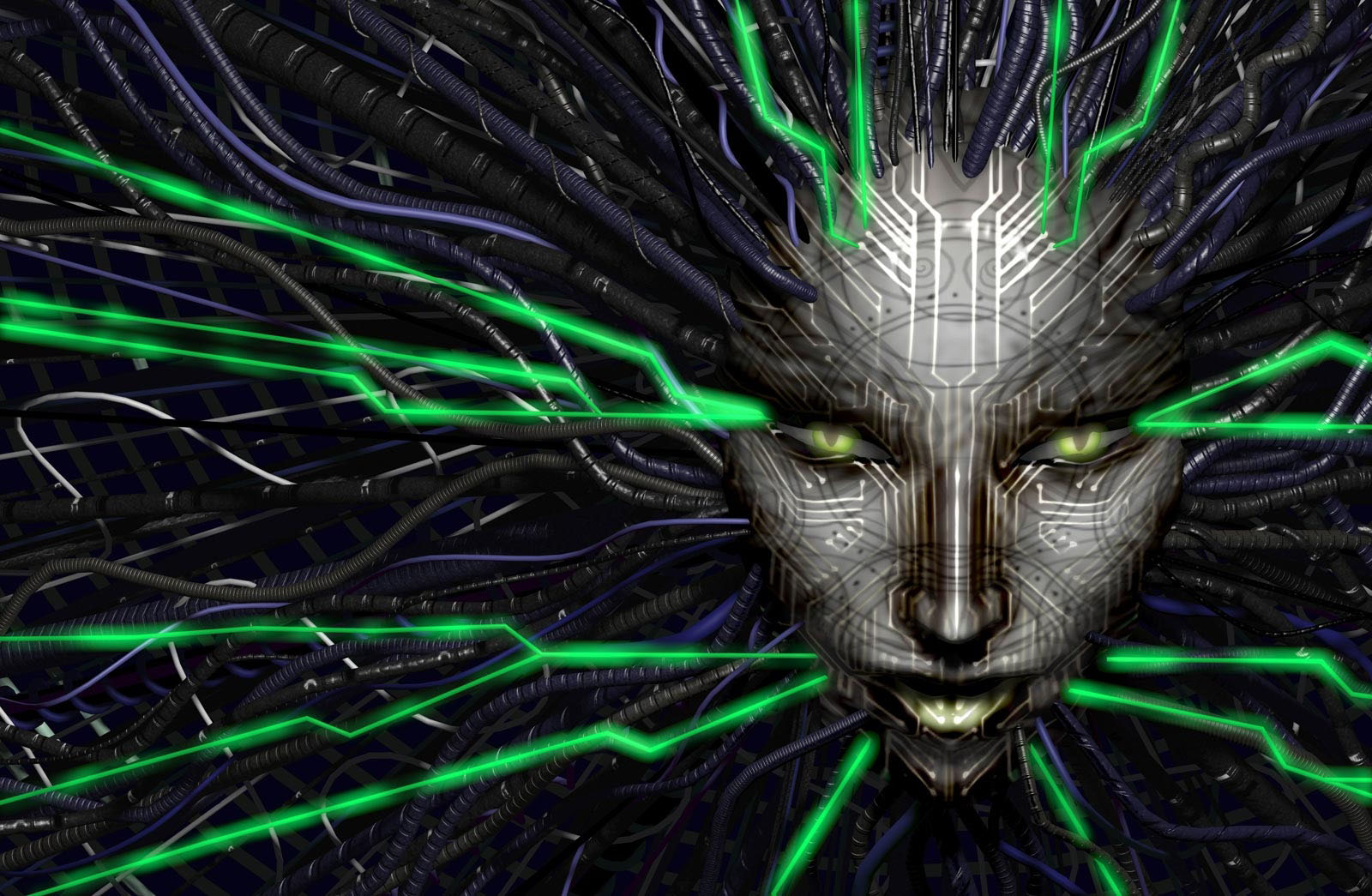
1. System Shock 2
Released in 1999, System Shock 2 blurred genre lines, delivering a first-person shooter with deep RPG mechanics and psychological horror. It wasn't just about shooting; players navigated a collapsing space station, managing inventory, upgrading skills, and piecing together a terrifying narrative. SHODAN’s omnipresent taunts and the emergent, resource-scarce gameplay crafted an oppressive atmosphere. It taught us that games could be profoundly unsettling and complex, demanding genuine thought beyond simple reflexes, directly influencing later titles like BioShock.
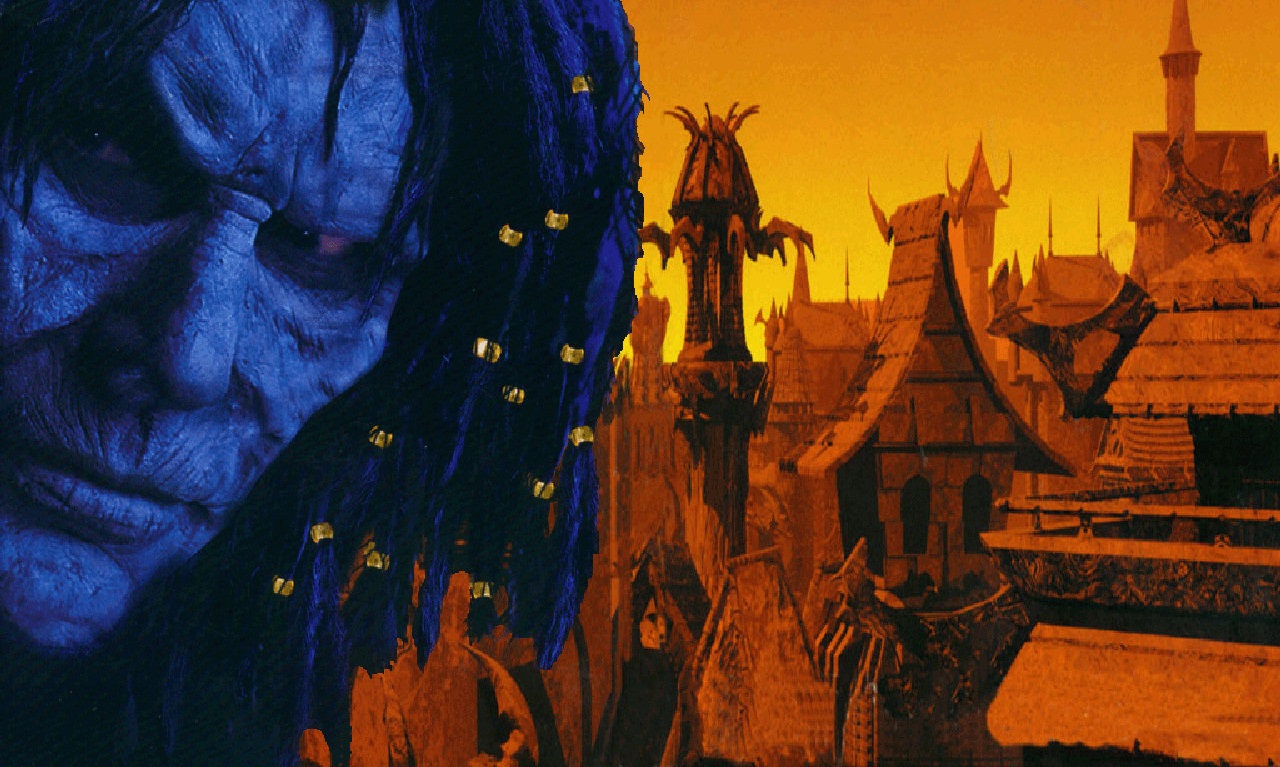
2. Planescape: Torment
Planescape: Torment, also from 1999, dared to prioritize philosophical inquiry over combat. Players explored the multiversal city of Sigil as an amnesiac immortal, his identity shaped by dialogue choices and profound moral quandaries. Its strength lay in writing, crafting characters and a world that felt genuinely alien and thought-provoking. Combat was often secondary, even avoidable, proving that an RPG's true depth could reside in its narrative and the weight of its words, not just its numbers.
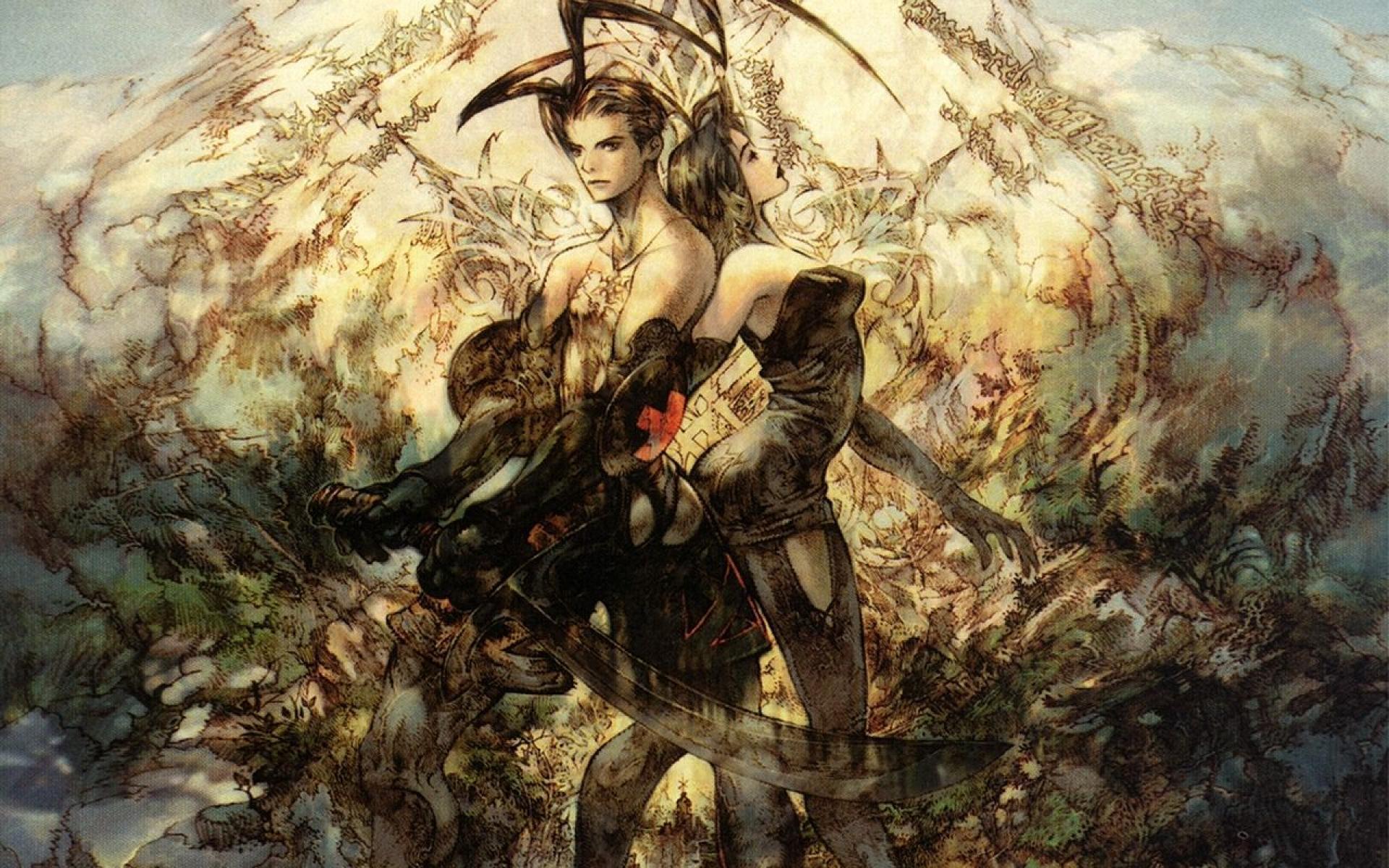
3. Vagrant Story (2000)
Vagrant Story, a PlayStation 1 gem from 2000, defied easy categorization. It eschewed traditional RPG towns and shops for a singular, dark narrative focusing on Ashley Riot's journey through the cursed city of Leá Monde. Its complex chain-based combat, deep weapon customization, and intricate puzzle-like boss encounters demanded precision and understanding. The game's mature, nuanced storytelling and distinct art direction showcased Square's willingness to experiment, influencing later action RPGs with its emphasis on interconnected systems.
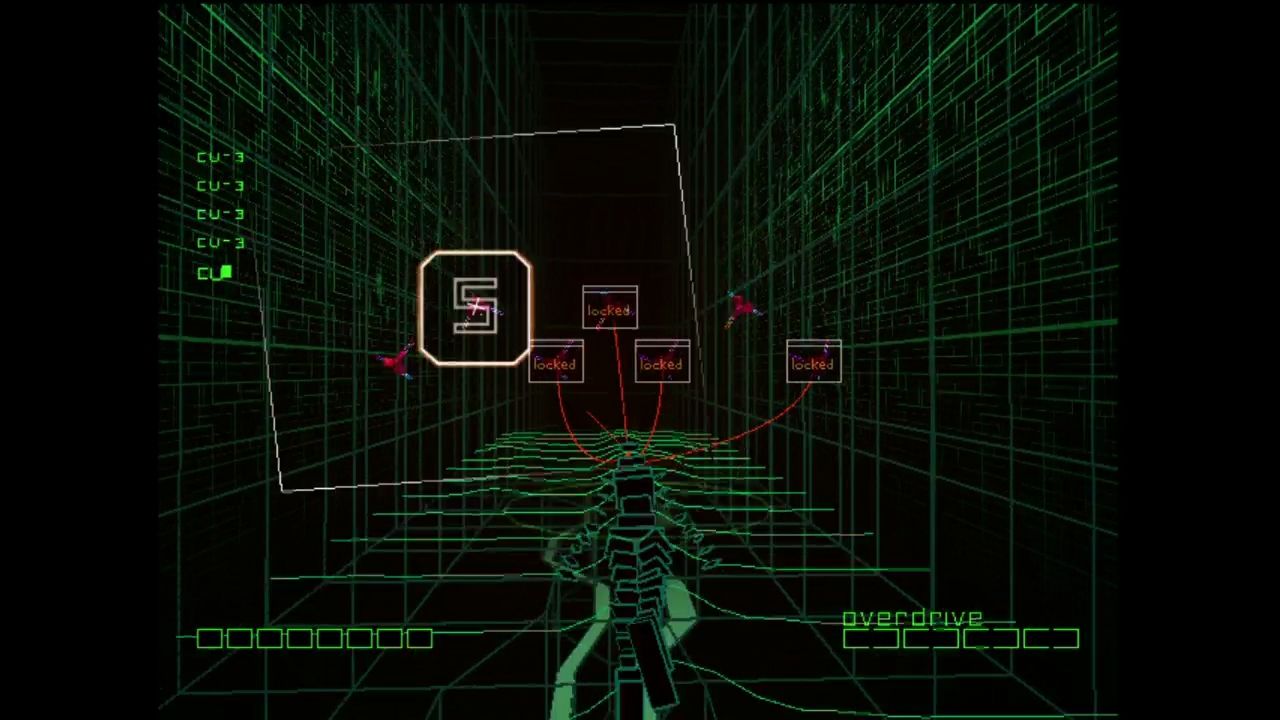
4. Rez
Rez, hitting in 2001, wasn't just a rail shooter; it was a synesthetic experience. Players navigated a Tron-like digital landscape, blasting enemies to the beat, each action layering sounds into the evolving musical score. The progression from visual simplicity to sensory overload, especially in its later iterations with VR, was groundbreaking. It proved that games could transcend traditional entertainment, becoming an art form that engaged sight, sound, and even touch in a hypnotic, trance-inducing flow.

5. Eternal Darkness: Sanity's Requiem
Eternal Darkness: Sanity's Requiem, a 2002 GameCube exclusive, was a masterclass in psychological horror. Its iconic "Sanity Effects" famously broke the fourth wall, messing with the player's perception by simulating system crashes, volume drops, or character deaths. This innovative mechanic went beyond jump scares, creating genuine unease and blurring the line between game and reality. It demonstrated a profound understanding of how to manipulate player trust, pushing boundaries for interactive horror experiences.
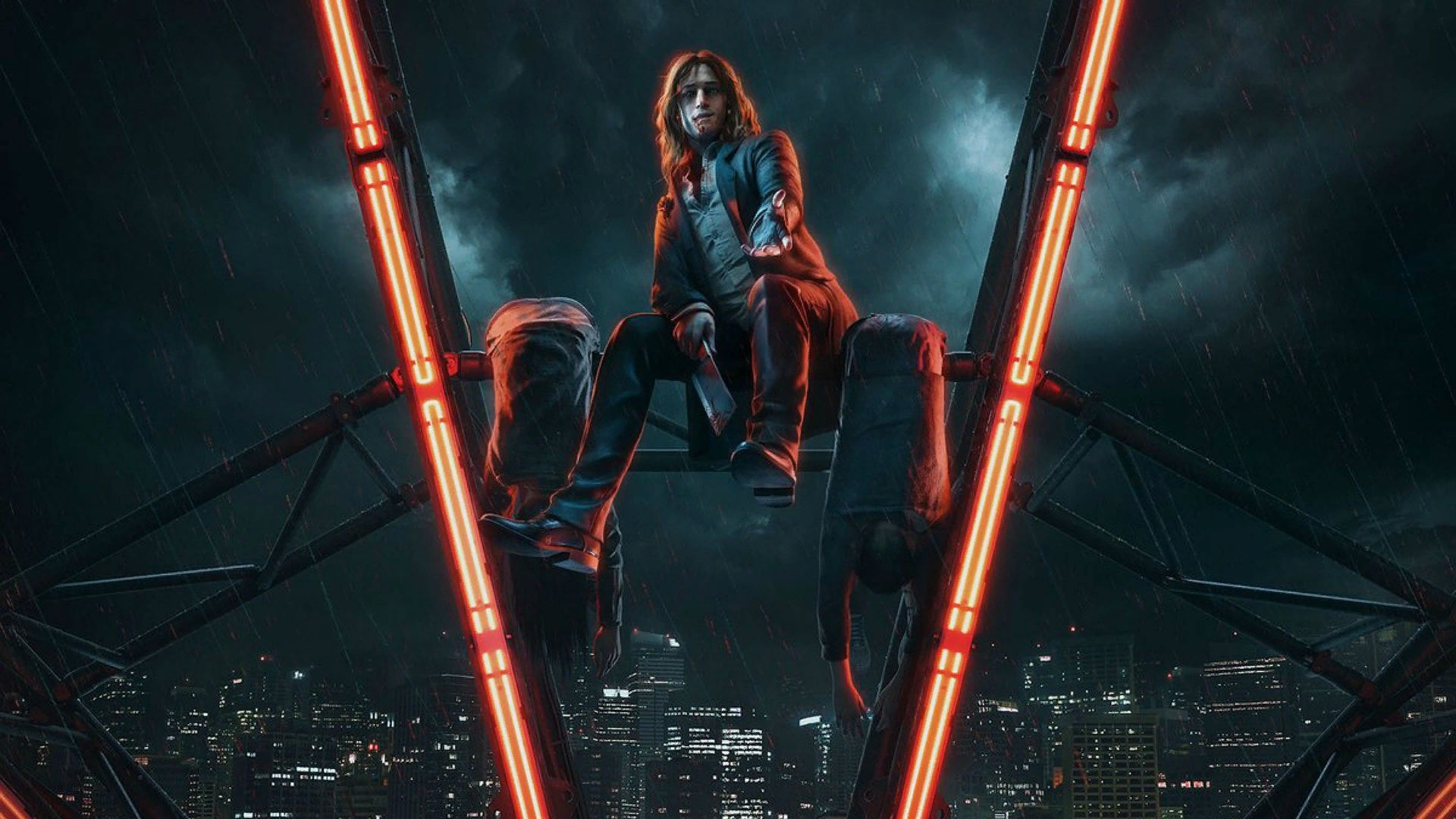
6. Vampire: The Masquerade – Bloodlines 2
Vampire: The Masquerade – Bloodlines 2, despite its tumultuous development and uncertain future, remains a fascinating case study in anticipation. It carries the immense legacy of its 2004 predecessor, a game celebrated for its unparalleled atmosphere, branching narratives, and true player agency within a dark urban fantasy. The promise of this sequel, with its potential for deep role-playing, moral ambiguity, and factional intrigue, quietly influences developers aiming for rich, consequence-driven RPGs, even from its unreleased state.
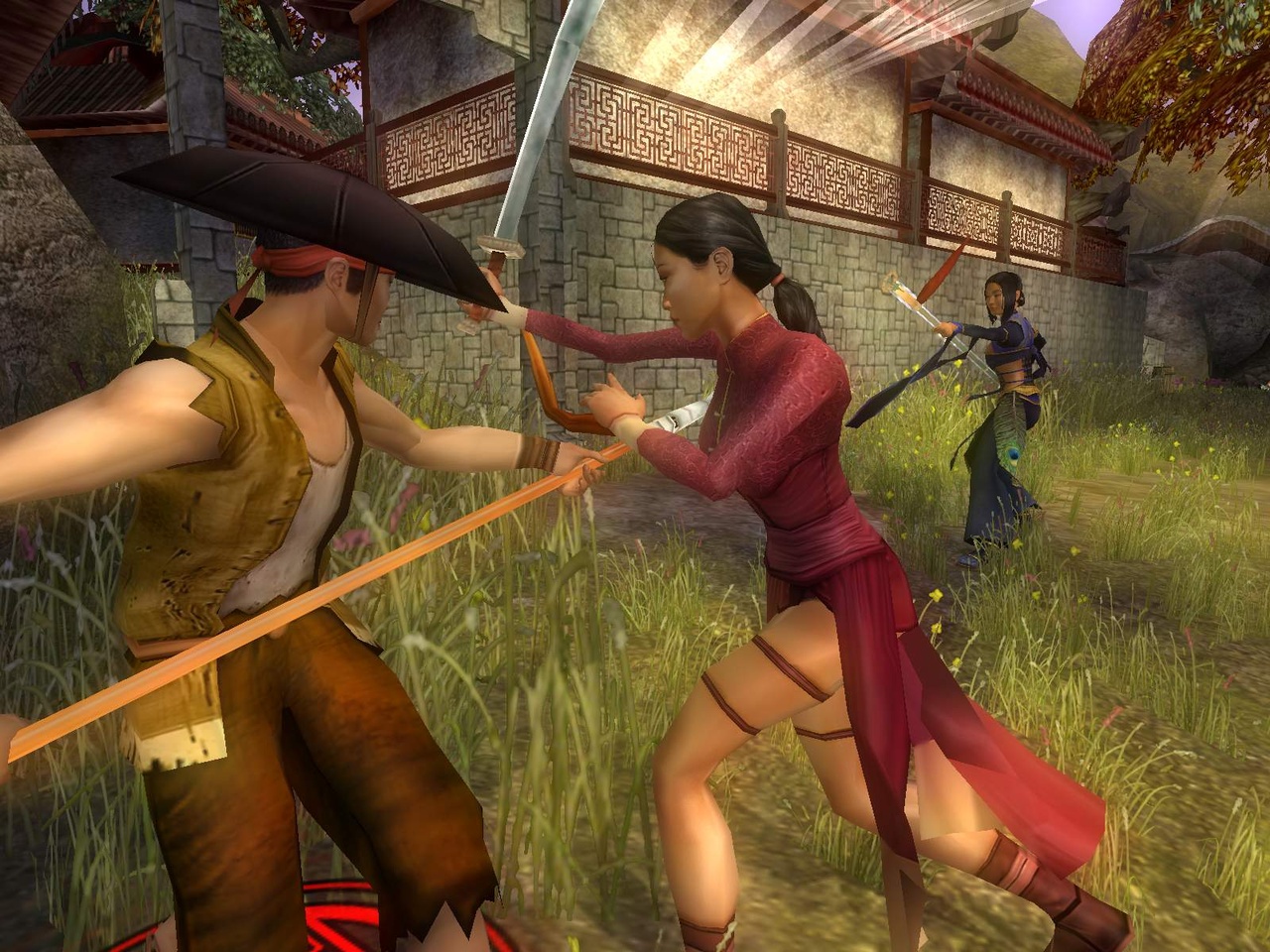
7. Jade Empire
Released in 2005, BioWare’s Jade Empire offered a refreshing departure from typical Western fantasy, immersing players in a vibrant, mythic East Asian-inspired world. It fused real-time combat with martial arts flair and the studio’s signature moral alignment system. While some found the combat straightforward, its distinct setting and emphasis on spiritual philosophy over brute force made it stand out. It quietly demonstrated the appeal of diverse cultural backdrops in RPGs, expanding the genre's imaginative scope.

8. Okami
Okami, from 2006, was a visual masterpiece that redefined what a cel-shaded aesthetic could achieve. Players controlled the sun goddess Amaterasu in the form of a white wolf, wielding a Celestial Brush to perform magical actions by drawing directly on screen. Its stunning art style, inspired by Japanese ink wash painting, combined with a moving narrative rooted in folklore, offered a uniquely artistic and interactive experience. It proved that graphical innovation wasn't just about realism, but also about stylistic vision.

9. Radiant Historia
Radiant Historia, a 2010 Nintendo DS title, proved that the traditional JRPG formula still held surprises. Its central mechanic, a nuanced time-travel system, allowed players to jump between alternate timelines, affecting the past to alter the future in profound ways. This wasn't just a narrative device; it directly impacted branching storylines and puzzle-solving. Coupled with its strategic grid-based combat, it offered a sophisticated, intellectually engaging experience that felt remarkably fresh for its era.
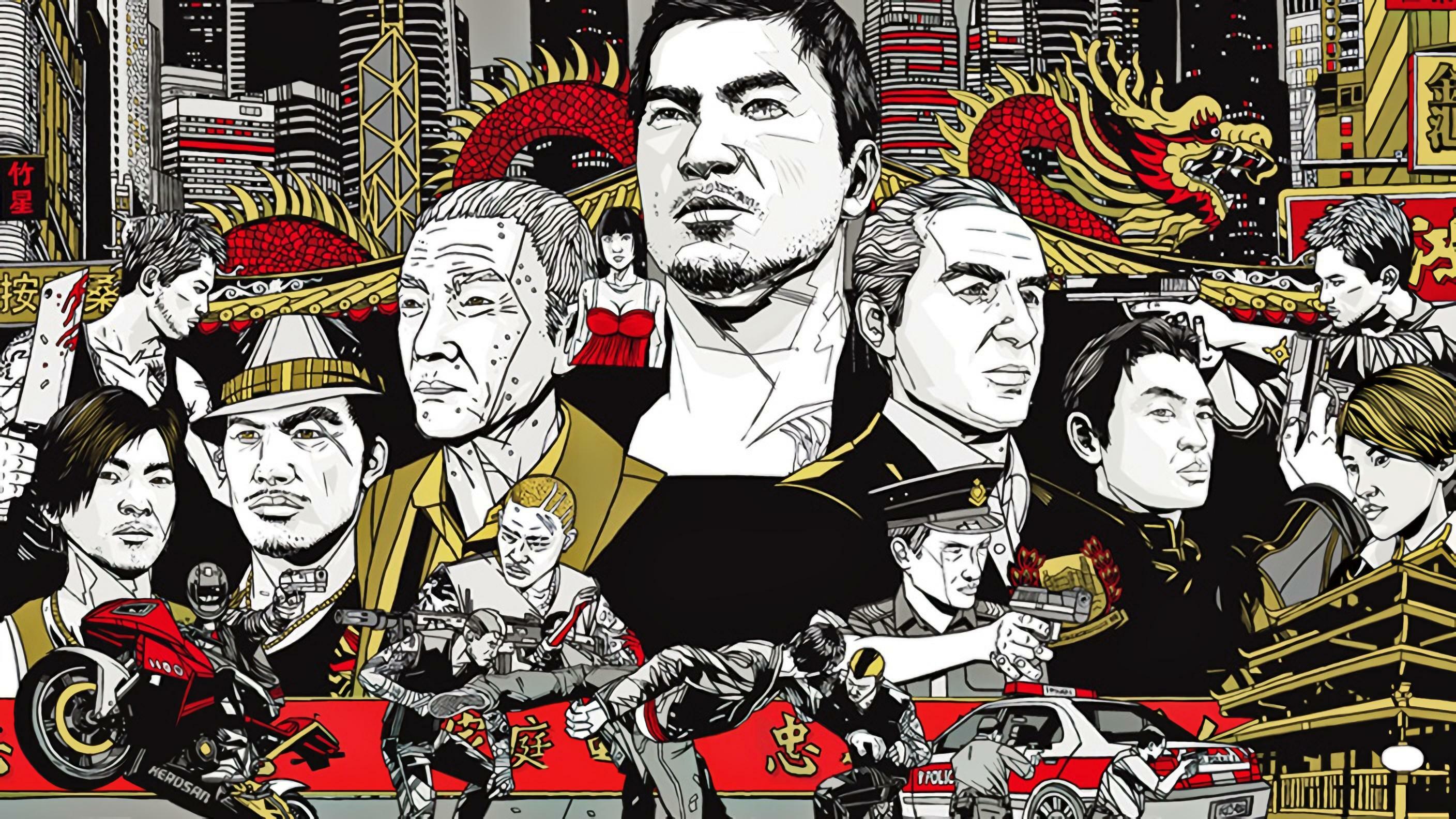
10. Sleeping Dogs
Sleeping Dogs, launched in 2012, was an unexpected triumph in the open-world genre. Set in a meticulously crafted Hong Kong, it delivered visceral martial arts combat, exhilarating car chases, and a compelling narrative of an undercover cop. It distinguished itself by focusing on a specific cultural identity and unique hand-to-hand fighting, moving beyond the typical gunplay of its contemporaries. It quietly carved out its own niche, demonstrating that setting and combat innovation could elevate familiar formulas.
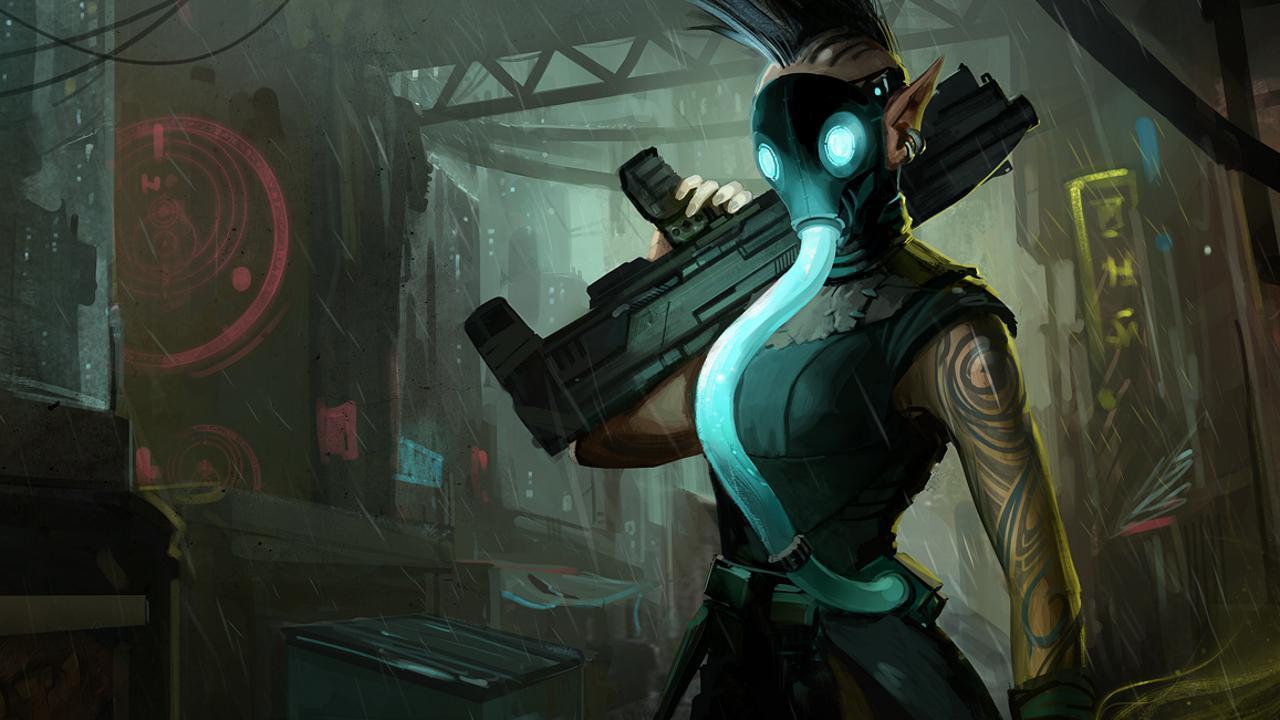
11. Shadowrun Returns
Shadowrun Returns, released in 2013, brought a beloved tabletop RPG universe back to life with a modern, tactical twist. Its Kickstarter success demonstrated the power of community-funded projects and the enduring appeal of rich, mature cyberpunk-fantasy lore. The game offered sharp, turn-based combat and meaningful narrative choices in a world where magic and technology collide. It reignited interest in a unique setting, influencing a new wave of narrative-driven, isometric tactical RPGs from independent studios.