
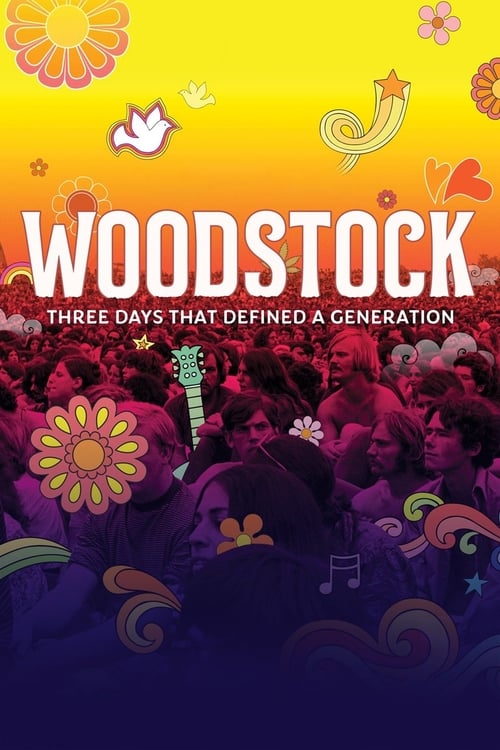
1. Woodstock: Three Days That Defined a Generation
Michael Wadleigh's monumental documentary isn't merely a concert film; it's a sprawling, intimate canvas of a generation at its peak. Capturing the sheer scale and spirit of the 1969 festival, it offered a kaleidoscopic glimpse into the counterculture's ideals and its fleeting, idyllic cohesion. And so, it remains a vital historical document, preserving a singular moment when music, politics, and community converged with profound, if temporary, harmony.

2. The Social Network
David Fincher and Aaron Sorkin’s incisive examination of Facebook’s genesis proved remarkably prescient, dissecting the nascent digital age’s implications for connection and ambition. It painted a portrait of a new kind of entrepreneur, simultaneously brilliant and socially maladroit, whose innovations would irrevocably alter global communication. Indeed, the film expertly captured the complex, often contradictory, impulses driving our increasingly online existence, long before we fully understood their profound societal reverberations.
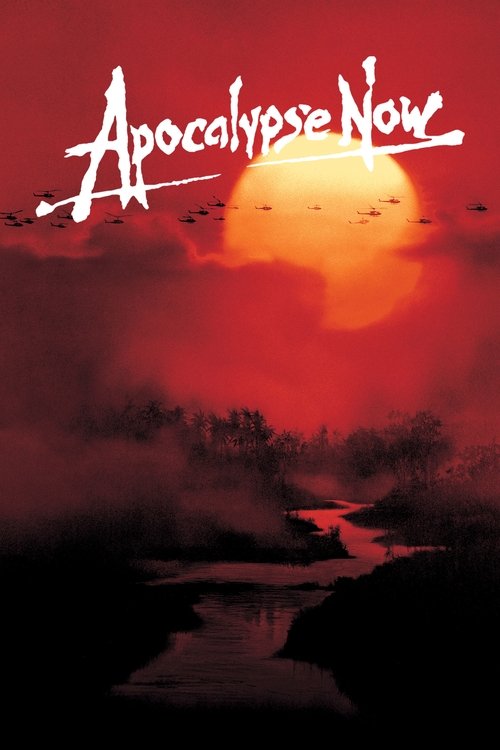
3. Apocalypse Now
Francis Ford Coppola’s audacious, hallucinatory journey into the heart of darkness transcends the war film genre, becoming an exploration of madness itself. Its production, famously chaotic, mirrored the very themes of imperial hubris and psychological disintegration it depicted. And so, this epic, visually stunning work offered a profound, unsettling meditation on the Vietnam conflict’s moral ambiguity and its corrosive effect on the human psyche, solidifying its place in cinematic lore.
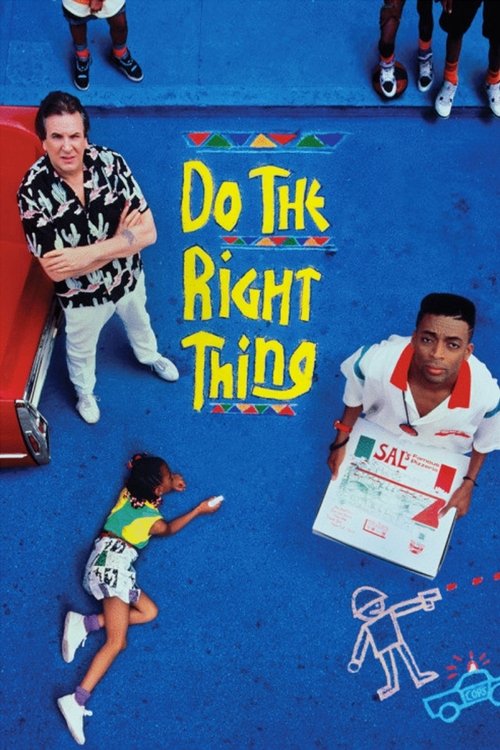
4. Do the Right Thing
Spike Lee’s potent, sun-drenched drama, set over a sweltering Brooklyn day, ignited fervent discussions on race, prejudice, and community. Its vibrant, unapologetic portrayal of simmering racial tensions culminated in an explosive, ambiguous climax that offered no easy answers. Consequently, the film remains a profoundly uncomfortable yet essential piece of American cinema, reflecting persistent societal divisions and challenging viewers to confront uncomfortable truths about their own biases and the nature of justice.

5. Bowling for Columbine
Michael Moore’s Oscar-winning documentary arrived as a provocative, often darkly humorous, interrogation of America's gun culture and its relationship to violence. With his signature confrontational style, Moore broadened the conversation beyond individual incidents, probing deeper societal anxieties and historical contexts. And so, it became a lightning rod for debate, effectively capturing the post-Columbine national psyche and forcing an uncomfortable, yet necessary, examination of deeply ingrained cultural norms.
6. Easy Rider
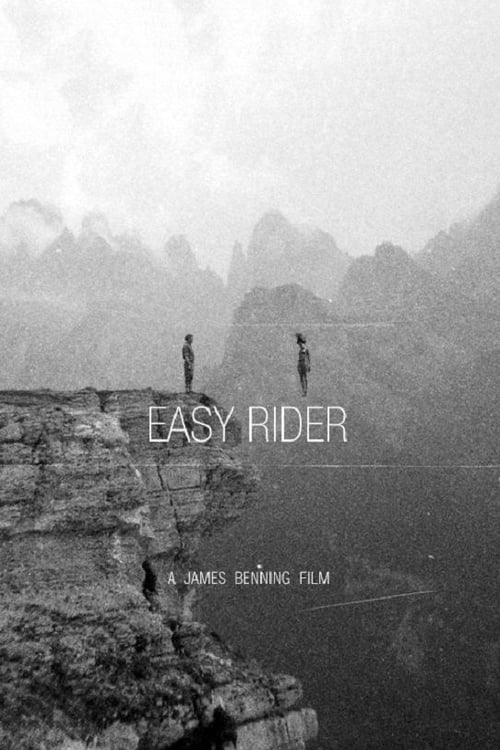
This seminal counterculture road movie, an independent landmark, spoke volumes about the fading dreams of the 1960s. Its journey across America, fueled by Harley-Davidsons and an iconic soundtrack, captured a generation’s yearning for freedom and its ultimate, tragic collision with a hostile mainstream. And so, Dennis Hopper's raw, uncompromising vision articulated the disillusionment that followed the decade's idealism, signaling a profound shift in the American landscape and its cinematic reflections.
7. Blade Runner
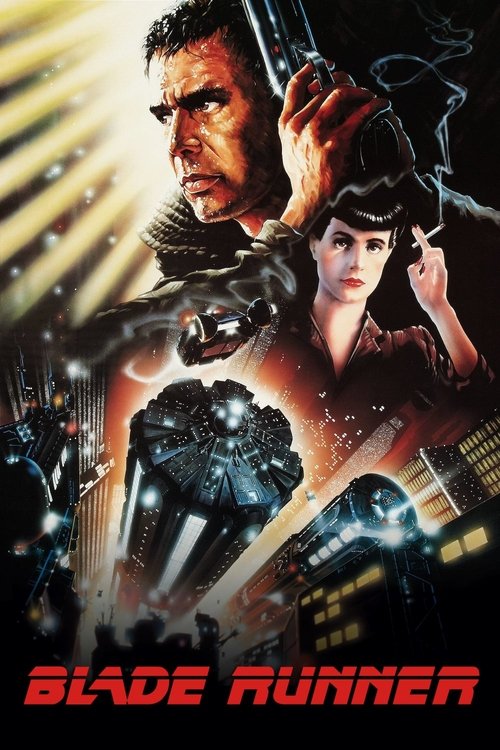
Ridley Scott's dystopian masterpiece transcended science fiction, becoming a foundational text for the cyberpunk genre and an enduring meditation on humanity. Its rain-slicked, neon-drenched Los Angeles provided an unforgettable backdrop for questions of identity, memory, and what it truly means to be human in an age of artificial creation. Consequently, this visually stunning neo-noir explored profound existential dilemmas, shaping not only future cinematic aesthetics but also our philosophical considerations of technology's advance.
8. Pulp Fiction
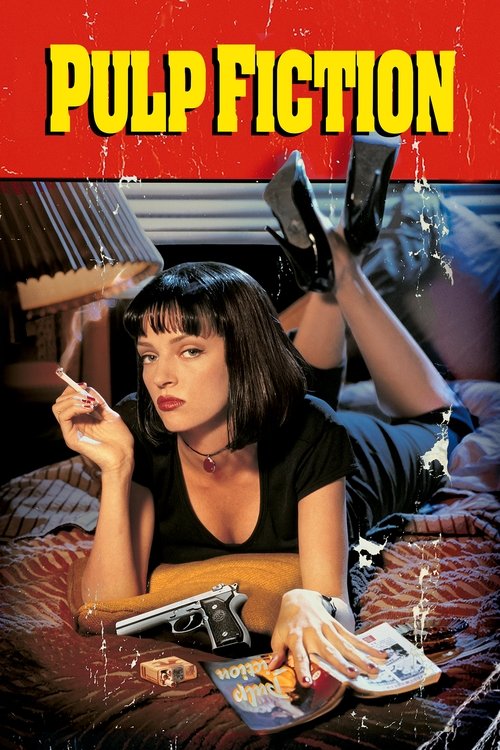
Quentin Tarantino's groundbreaking opus didn't just redefine independent cinema; it exploded conventional narrative structures with audacious flair. Its non-linear storytelling, razor-sharp dialogue, and pop-culture pastiche created a cinematic language that countless films would emulate. And so, this bold, stylish crime epic became an indelible cultural touchstone, celebrating the sheer joy of filmmaking while simultaneously reflecting and shaping a postmodern sensibility that dominated the 1990s and beyond.