
1 / 8
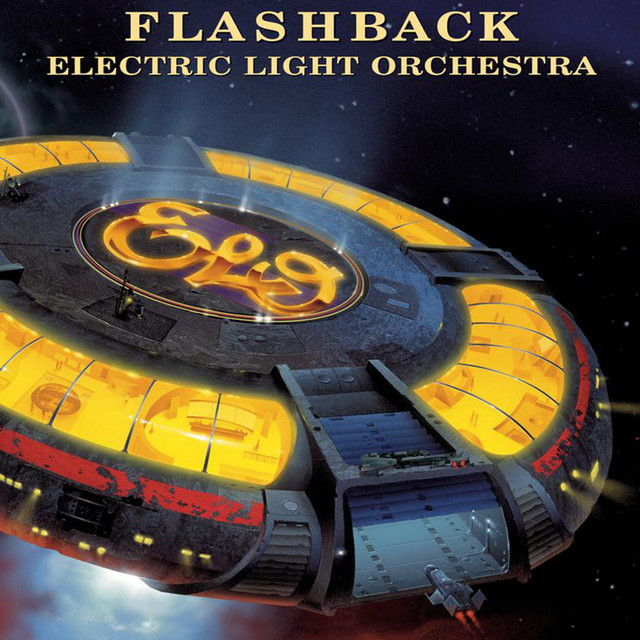
1. Flashback
The very concept of a "flashback" in this era meant a meticulously assembled sonic journey, not a digital algorithm. Engineers would painstakingly master tracks from disparate sources, ensuring a cohesive analog warmth. It was about capturing the essence of a moment, often laden with compression and tape saturation, each track a vibrant snapshot of its original studio session. You could practically hear the console humming.
2 / 8
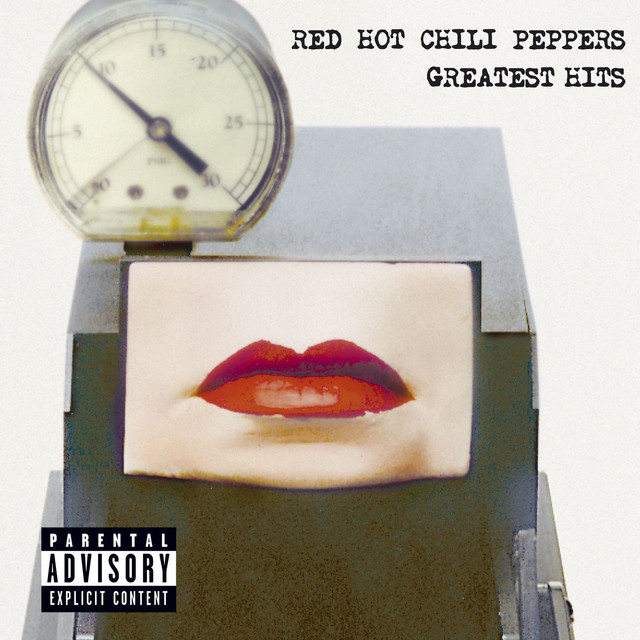
2. Greatest Hits
These compilations were crucial artifacts, defining eras through careful selection and often, subtle remixing for radio or album flow. The sonic character, typically from first-generation masters, showcased the sheer dynamic range and instrumental separation achievable on large format analog desks. It wasn't just a collection; it was a curated experience, a testament to the power of the well-engineered single.
3 / 8
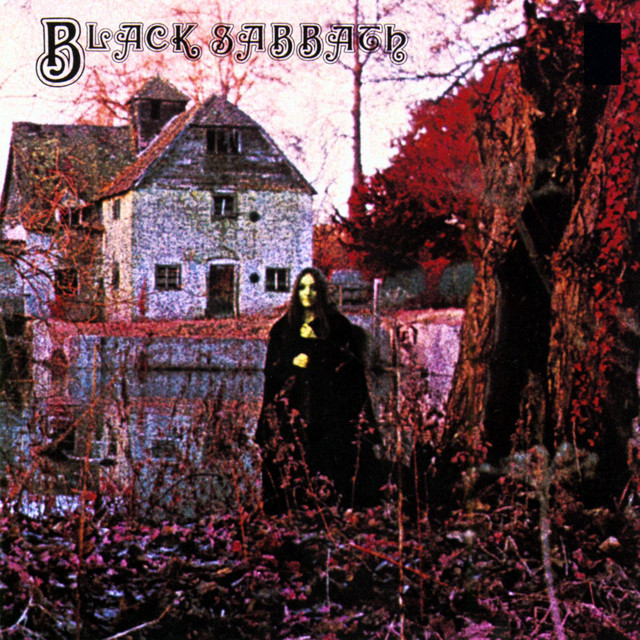
3. Black Sabbath (2014 Remaster)
While a remaster, the original 1970 recordings remain the blueprint for doom. That thick, almost suffocating guitar tone, achieved through cranked valve amps and rudimentary studio techniques, alongside Ward's loose, propulsive drumming, crafted a sound like no other. It was raw, unpolished, yet immense – a primal sonic force that pre-digital recording struggles to replicate without losing its essential, murky character.
4 / 8

4. Blue Monday
A pivotal moment where analog synthesis met dancefloor imperative. The LinnDrum programming, famously custom-built, laid down an unyielding, almost robotic pulse. Basslines, crafted on modular synths, provided a cold, melodic counterpoint, while the overall production embraced a spacious, almost sterile atmosphere. It redefined what electronic music could be, stark yet utterly compelling.
5 / 8

5. Head Like a Hole
This track distilled industrial nihilism into a concise, aggressive statement. The relentless drum machine, heavily processed and distorted, formed the backbone, while layers of analog synths and sampled metallic clangor created a brutal sonic tapestry. It was engineered for impact, each element pushing against the red, capturing a visceral, almost painful energy that felt entirely new.
6 / 8
6. Can You Feel It
A masterclass in lush, post-disco orchestration and rhythm. The intricate arrangements, featuring soaring strings, precision horns, and that undeniable bassline, showcased the sheer talent of session musicians. Recorded on sprawling analog consoles, every element had space to breathe, creating a vibrant, expansive soundscape that effortlessly blended funk grooves with pop ambition.
7 / 8

7. Orbit Transmissions, Vol. 2
This likely represented the burgeoning ambient and early electronic scene, where analog sequencers and synthesisers painted vast, often melancholic, soundscapes. Tracks here would emphasize texture over traditional melody, exploring spatial dynamics and evolving drones. It was about creating sonic environments, often with a subtle, underlying rhythmic pulse, pushing the boundaries of what 'music' could be.
8 / 8
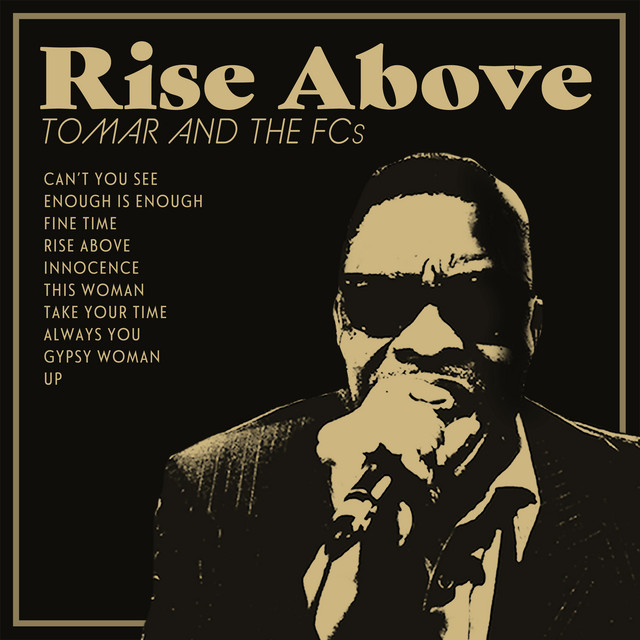
8. Rise Above
The quintessential hardcore anthem, stripped down to its furious essentials. Recorded with a raw, almost garage-like fidelity, the track's power came from its unvarnished aggression. Guitar riffs were sharp and precise, the drums a relentless thud, and Rollins's vocals a visceral roar. It demonstrated how minimal production, when paired with intense energy, could create maximum impact.