

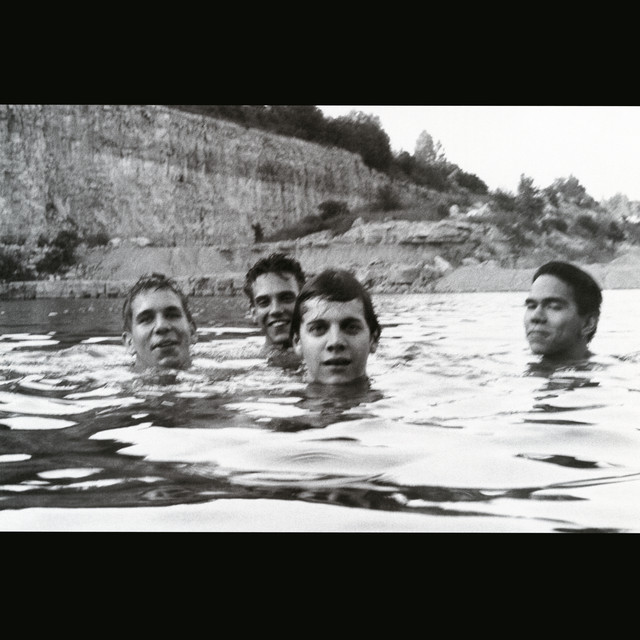
1. Spiderland
Look, everyone talks about post-rock, but how many actually *feel* it? Slint's "Spiderland" isn't just a blueprint; it's a cold, calculated dissection of anxiety rendered in guitar lines that sting and drums that crack like a whip. It's the sound of a digital age creeping in, quiet and unsettling, long before anyone called it post-rock. A 1991 landmark that still feels utterly alien and essential.
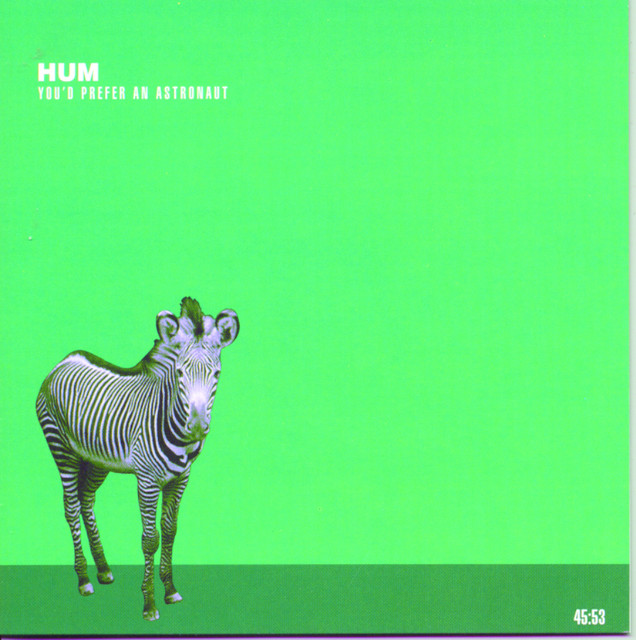
2. You'd Prefer An Astronaut
Hum's "You'd Prefer An Astronaut" dropped in '95 and immediately recalibrated what "heavy" could mean. It wasn't just grunge; this was a wall of shimmering, distorted guitars, a massive sound that felt like staring into the void of space while simultaneously being hugged by it. The production, a perfect digital compression, made every riff feel monumental. It’s a testament to the power of pure, unadulterated guitar noise.
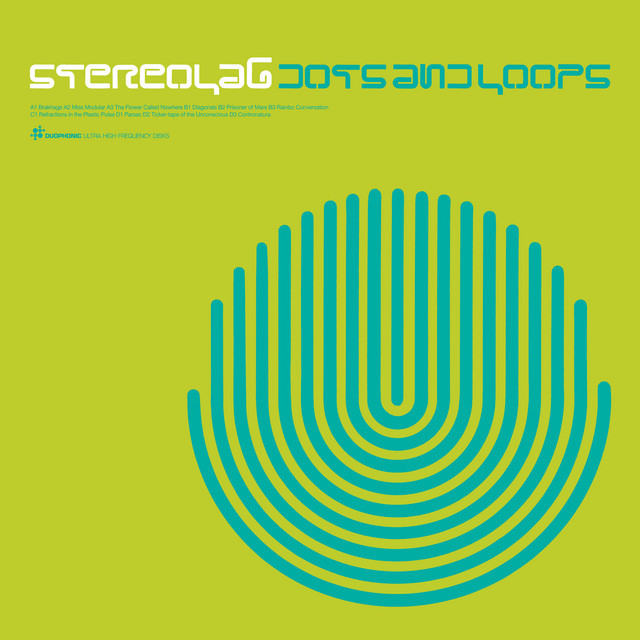
3. Dots And Loops (Expanded Edition)
Stereolab’s "Dots And Loops" from '97, especially its expanded form, was a masterclass in elegant futurism. It married krautrock rhythms with lounge-pop melodies and electronic textures, creating something effortlessly cool and intellectually stimulating. This wasn't just background music; it was a meticulously crafted sonic ecosystem, hinting at the digital possibilities of sound manipulation without losing its human touch. A truly sophisticated listen.
4. Tri Repetae
Autechre’s "Tri Repetae" from '95 is where IDM truly went off the rails, in the best possible way. This wasn't just music; it was architecture built from pure sound, a brutalist landscape of intricate rhythms and cold, alien textures. It challenged every notion of what electronic music could be, pushing the boundaries of digital synthesis into realms previously unimagined. A stark, uncompromising vision of the future.
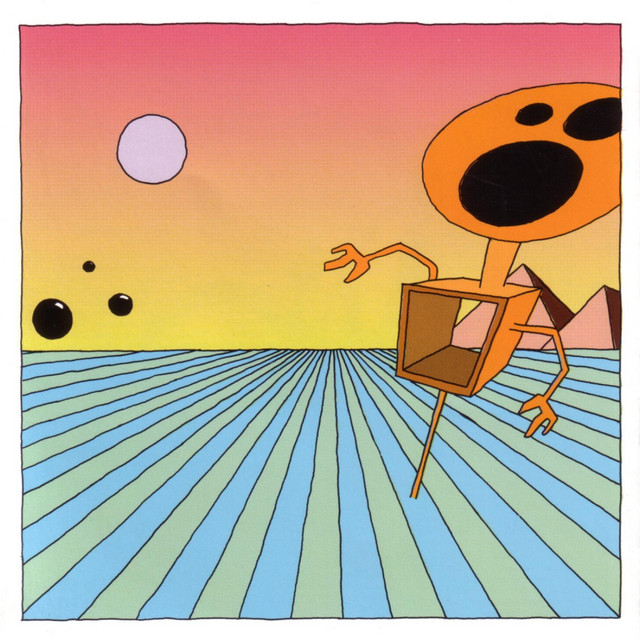
5. Emergency & I
The Dismemberment Plan's "Emergency & I" from '99 perfectly encapsulated late-90s anxiety with a twitchy, intelligent energy. It fused post-punk angularity with an almost danceable indie rock sensibility. The lyrics were sharp, observational, and often painfully relatable, delivered with a frantic urgency. It's a snapshot of a moment right before the new millennium, when digital saturation was really starting to hit.
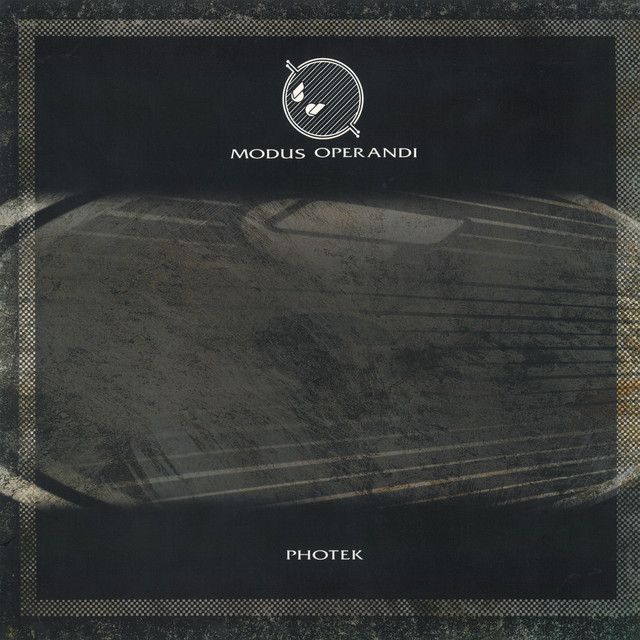
6. Modus Operandi
Photek’s "Modus Operandi," a 1997 drum & bass masterpiece, wasn't just about speed; it was about precision. This album carved out a dark, atmospheric corner of jungle, using intricate breakbeats and sparse, cinematic textures to build suspense. It felt like the soundtrack to a cyberpunk thriller, a digital urban sprawl rendered in sound, showing the genre's incredible depth beyond the dancefloor.
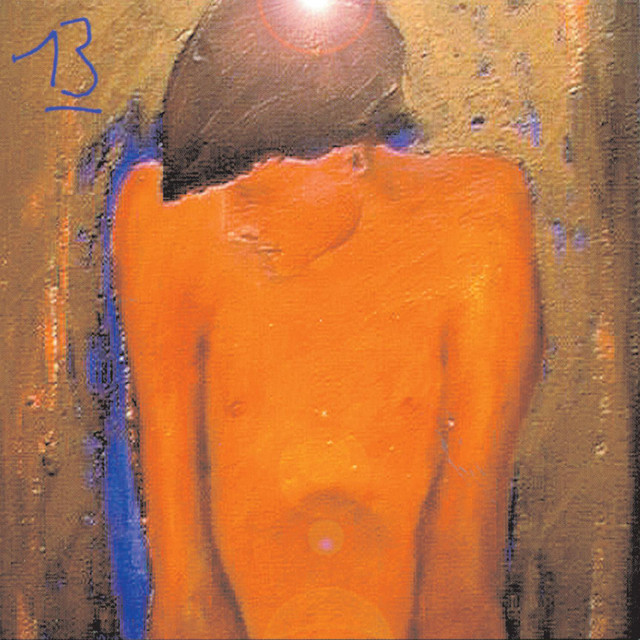
7. 13
Blur's "13" in '99 was a complete left turn from their Britpop heyday. This was raw, messy, and deeply personal, channeling heartbreak and confusion into sprawling, experimental rock. Damon Albarn's vocals were unvarnished, Graham Coxon's guitar work was brilliantly unhinged. It captured the messy, emotional fallout of a decade, showing that even pop royalty could embrace digital-era angst and noise.
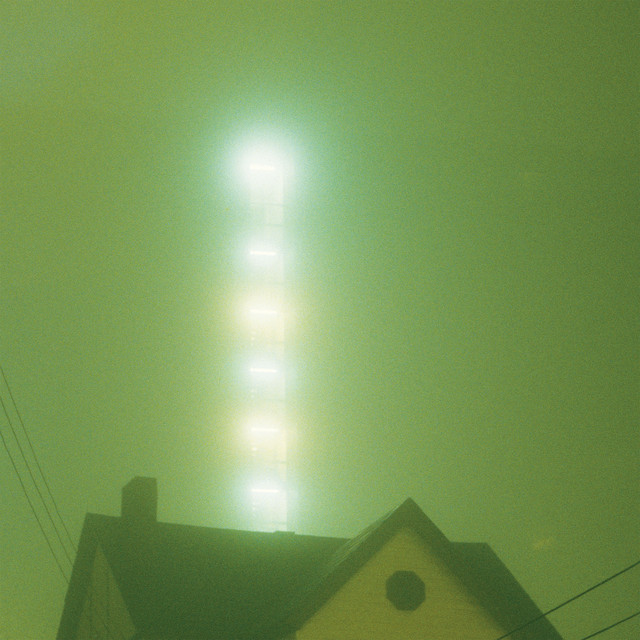
8. What Burns Never Returns
Don Caballero's "What Burns Never Returns" (1998) was instrumental math rock at its most exhilarating and perplexing. These were not songs; they were intricate, interlocking rhythmic puzzles, full of unexpected turns and explosive dynamics. It felt like watching a master craftsman at work, building structures out of pure sound, completely unconcerned with traditional song forms. An absolute clinic in guitar-driven complexity.