

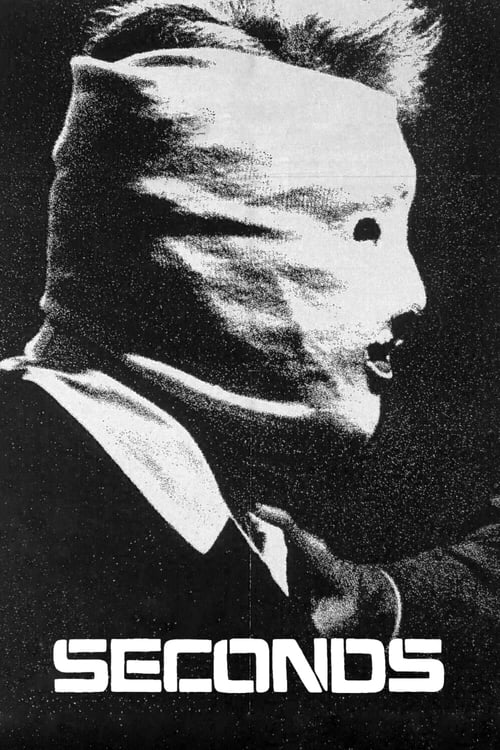
1. Seconds
John Frankenheimer's chilling 1966 vision of identity annihilation remains profoundly unsettling. Rock Hudson, in a career-defining turn, plays a man who literally buys a new life, only to find the escape far more nightmarish than his original existence. The film’s experimental cinematography and disorienting narrative craft a suffocating sense of paranoia, anticipating later corporate dystopias. It's a bleak, artful exploration of aspiration and entrapment, revealing the true cost of reinvention.

2. The Cremator
Juraj Herz's 1969 masterpiece from the Czechoslovak New Wave is a chilling, darkly comedic descent into madness. Karl Kopfrkingl, a cremator, embraces fascism with perverse zeal, believing cremation purifies souls. Herz masterfully blends the grotesque with the absurd, using distorted lenses and unsettling performances to create a truly unique horror. It’s a profound, disturbing reflection on complicity and the seductive power of ideology, rendered with an unforgettable, hallucinatory style.

3. Valerie and Her Week of Wonders
Jaromil Jireš’s 1970 surrealist fairy tale is a dreamlike, disorienting journey into adolescent awakening. Young Valerie navigates a world populated by vampires, priests, and seductive figures, blurring the lines between fantasy and nightmare. Its lush, evocative visuals and fragmented narrative create an intensely personal and often unsettling experience, resonating with a deeply subconscious logic. This film is less about plot and more about atmosphere and sensation, a truly singular piece of poetic cinema.

4. Wake in Fright
Ted Kotcheff's 1971 Australian New Wave shocker is a visceral plunge into the heart of masculine darkness. A jaded schoolteacher, stranded in a remote outback town, is slowly devoured by its brutal, hard-drinking culture. The film’s relentless heat and primal violence feel suffocating, exposing a raw, unsettling side of national identity. It’s a harrowing psychological thriller that pulls no punches, leaving an indelible, grimy impression long after the credits roll.
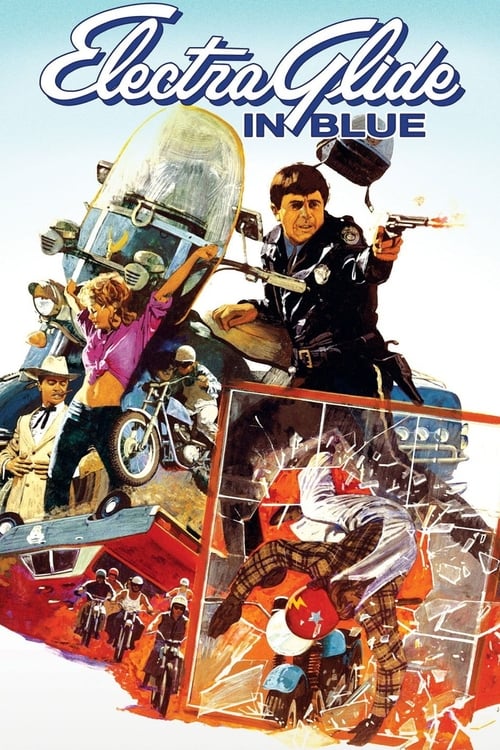
5. Electra Glide in Blue
James William Guercio’s 1973 neo-western is a melancholic, sun-drenched portrait of a disillusioned Arizona motorcycle cop. Robert Blake delivers a quietly powerful performance as John Wintergreen, an outsider striving for detective work amidst the vast, indifferent landscape. The film captures a palpable sense of ennui and the fading counterculture spirit, underscored by its stunning cinematography and contemplative pace. It's a forgotten gem that resonates with existential longing and a search for purpose.
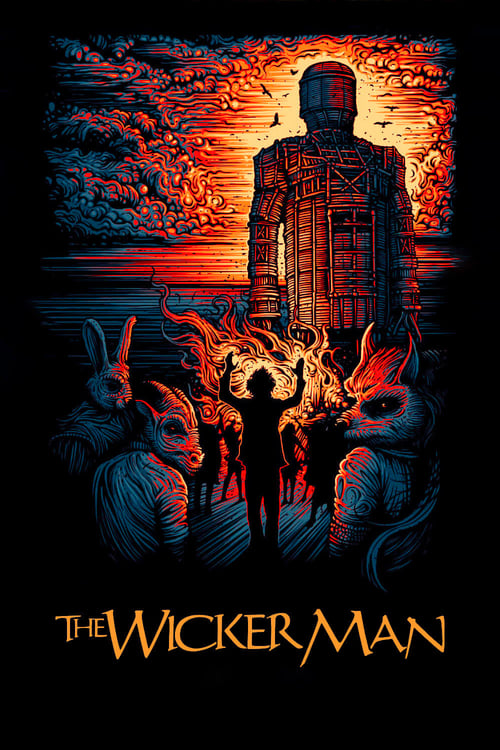
6. The Wicker Man
Robin Hardy’s 1973 folk horror classic masterfully builds dread through cultural clash and escalating unease. Puritanical Sergeant Howie investigates a missing girl on a remote Scottish island, encountering a vibrant, unsettling pagan community. The film’s brilliance lies in its subversion of expectations, its unforgettable songs, and the slow, insidious reveal of its true horrors. It's a chilling, atmospheric triumph that forever altered the landscape of horror cinema.
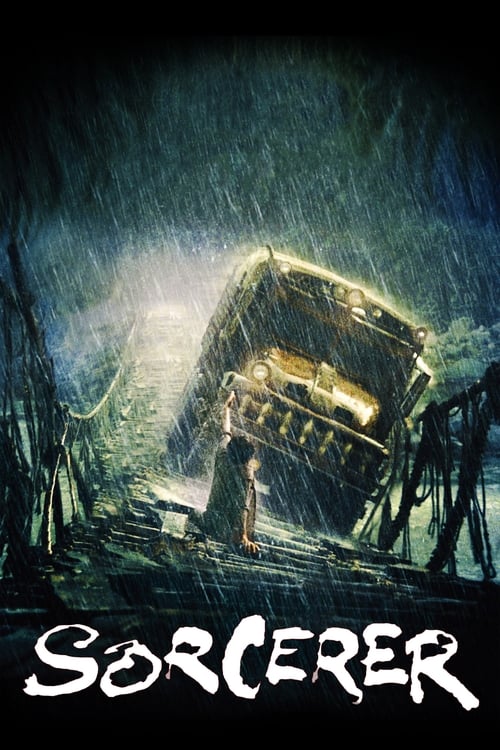
7. Sorcerer
William Friedkin's 1977 masterpiece is a relentless, sweat-soaked odyssey of desperation. Four outcasts, fleeing various pasts, are tasked with transporting volatile nitroglycerin across treacherous South American terrain. Friedkin orchestrates a symphony of tension, using practical effects and sheer willpower to create moments of unbearable suspense. It’s an uncompromising, gritty examination of human endurance against overwhelming odds, a truly epic and underappreciated thriller that demands rediscovery.
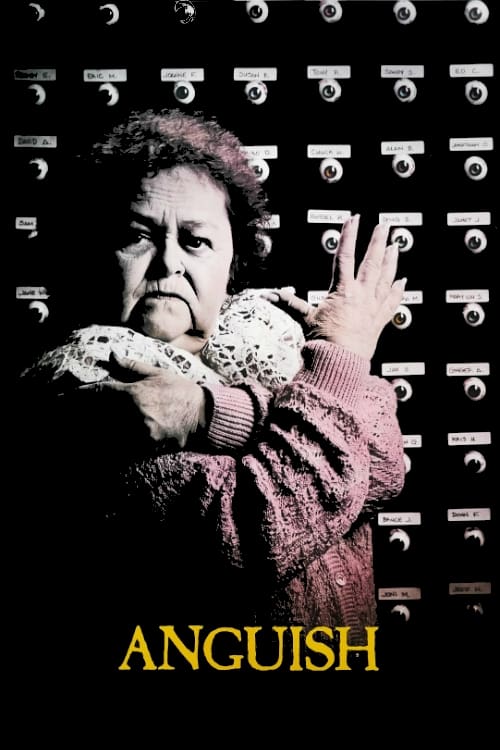
8. Anguish
Bigas Luna's 1987 meta-horror gem plays mind games with its audience, blurring the lines between cinematic fiction and brutal reality. A mother psychically controls her optometrist son, forcing him into a spree of eye-gouging murders, all while a cinema audience watches. The film's unique structure and unsettling premise create a disorienting, self-referential nightmare. It's a clever, genuinely unnerving experiment in perception and control, a cult classic deserving wider recognition.