1. Metropolis
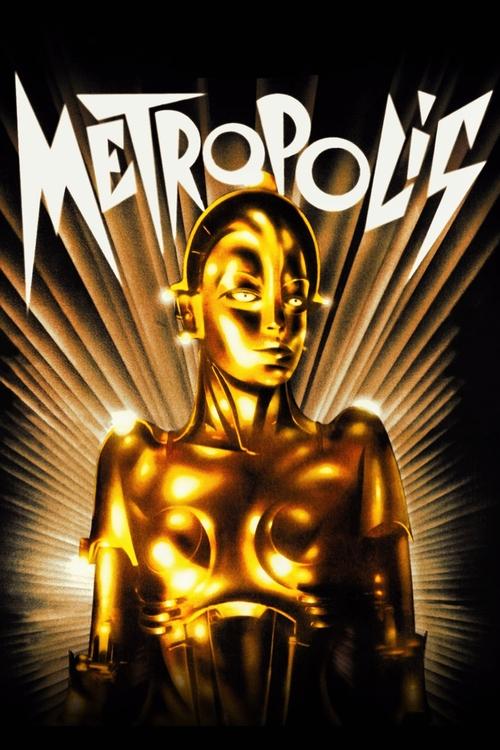
Fritz Lang’s visionary 1927 epic, a silent film of staggering ambition, etched the blueprint for cinematic science fiction. Its towering art deco cityscapes and stark class divisions created a dystopian future that continues to resonate. The film explored the dehumanizing aspects of industrialization and the chasm between labor and capital, proving that cinema could be both spectacle and profound social commentary, a true marvel of early auteurism.
2. Citizen Kane
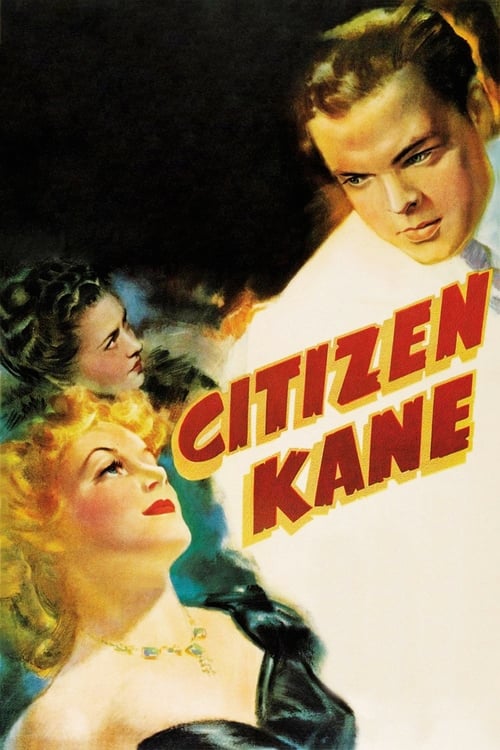
Orson Welles, at just 25, shattered conventional narrative with *Citizen Kane*. Its revolutionary use of deep focus, non-linear storytelling, and innovative sound design reshaped how films could be constructed. Weaving a complex portrait of an American media magnate, it interrogated the elusive nature of truth and identity, demonstrating cinema’s capacity for psychological depth and formal daring, challenging audiences’ perceptions of character and legacy.
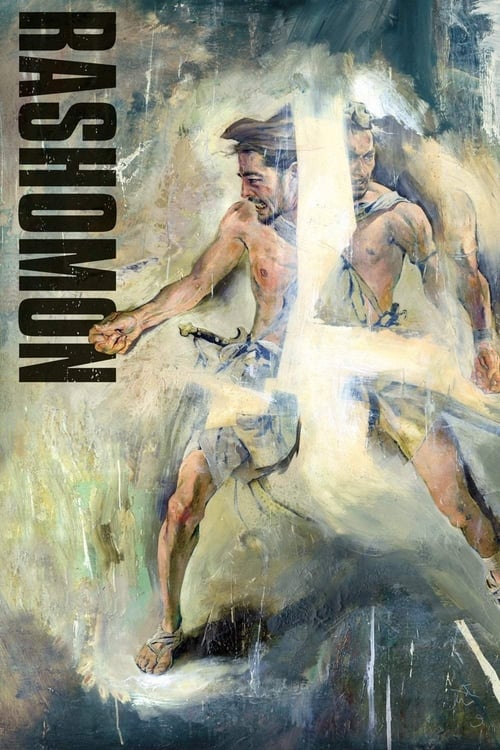
3. Rashomon
Akira Kurosawa’s *Rashomon* redefined cinematic storytelling by presenting a single event through conflicting subjective accounts. This 1950 masterpiece didn't just entertain; it interrogated the very nature of truth, memory, and human perception. Its influence on narrative structure, where the audience actively pieces together reality, is immeasurable, solidifying Kurosawa’s place as a global auteur and forever altering how filmmakers approach ambiguity and moral complexity.
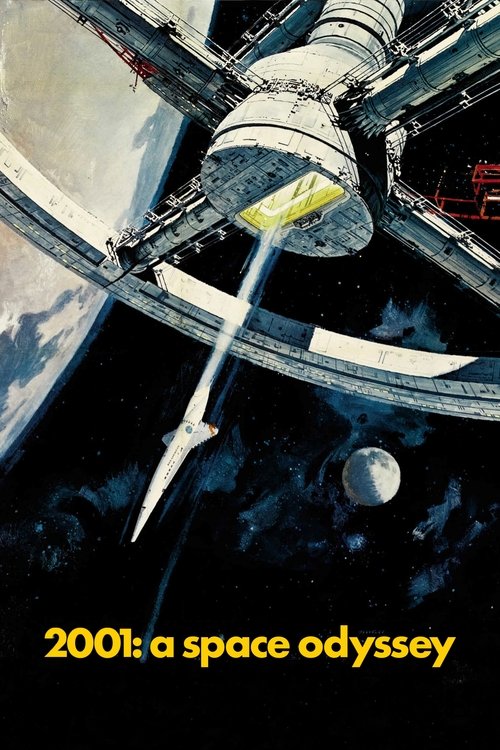
4. 2001: A Space Odyssey
Stanley Kubrick’s *2001: A Space Odyssey* transcended traditional science fiction, offering a profound, wordless meditation on humanity’s evolution, technology, and cosmic purpose. Its groundbreaking visual effects were not mere spectacle but integral to its vast philosophical scope. The film dared to be abstract, challenging audiences to interpret its meanings, and in doing so, expanded the very boundaries of cinematic expression, forever altering our perception of space and intelligence.
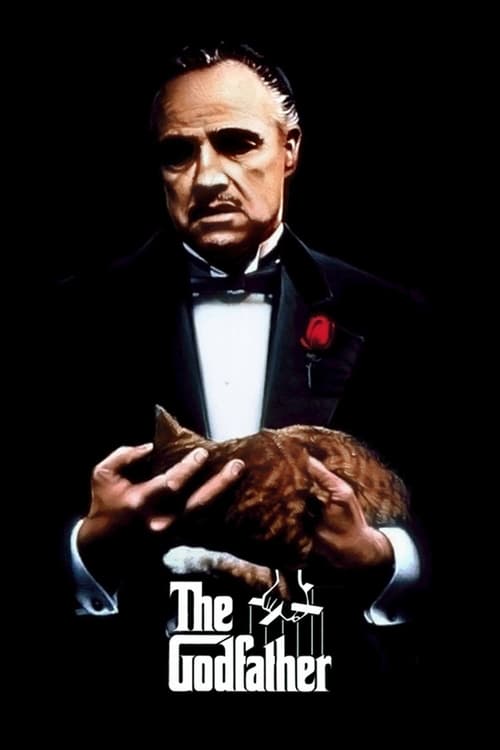
5. The Godfather
Francis Ford Coppola’s *The Godfather* elevated the gangster film into a Shakespearean epic, meticulously detailing the Corleone family’s saga as a dark mirror to the American Dream. Its rich characterizations, evocative cinematography, and themes of loyalty, power, and corruption resonated deeply. The film’s influence on storytelling, particularly in portraying morally complex anti-heroes and intricate family dynamics, remains a towering achievement in cinematic realism and myth-making.
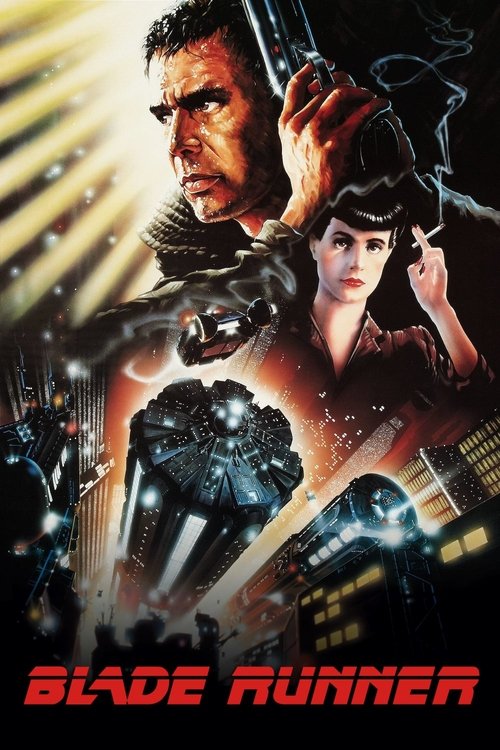
6. Blade Runner
Ridley Scott’s *Blade Runner* didn't just invent a visual style; it birthed an entire genre: cyberpunk. Its rain-slicked, neon-drenched dystopia, where artificial humans grapple with their own existence, raised profound questions about identity and humanity. The film’s atmospheric world-building and philosophical depth resonated far beyond its initial release, influencing countless subsequent works in film, literature, and art, making it a seminal work of speculative fiction.
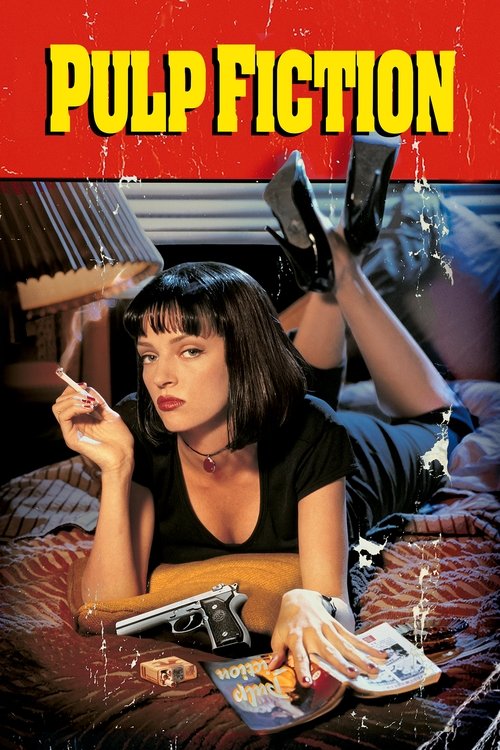
7. Pulp Fiction
Quentin Tarantino’s *Pulp Fiction* detonated a cinematic paradigm shift, weaving multiple interconnected, non-linear storylines with audacious dialogue and a relentless pop-culture sensibility. It redefined independent film, making a cult classic a mainstream phenomenon. The film’s playful deconstruction of genre tropes and its unapologetic cool revitalized storytelling, demonstrating how fragmented narratives and stylistic bravado could create an utterly unique and unforgettable cinematic experience.
8. Parasite
Bong Joon-ho’s *Parasite* masterfully blended dark comedy, thriller, and incisive social commentary, dissecting class inequality with devastating precision. Its taut narrative, brilliant performances, and unexpected twists captivated global audiences, culminating in an unprecedented Oscar win. The film’s audacious genre-bending and its stark portrayal of systemic injustice underscored cinema’s power to reflect and critique contemporary societal structures, proving that universal truths transcend language barriers.