
1 / 6
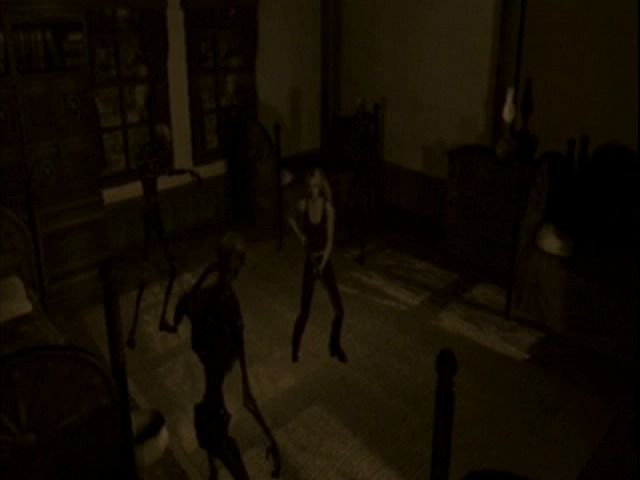
1. Eternal Darkness: Sanity's Requiem
Eternal Darkness, a GameCube anomaly, didn't just tell a horror story; it played tricks on the player. Its sanity effects, breaking the fourth wall by simulating corrupted memory cards or fake game crashes, were genuinely unsettling and groundbreaking. And the layered historical narrative, spanning centuries and characters, gave its cosmic horror a unique, almost scholarly weight. Few games dared to mess with the player's perception so effectively.
2 / 6
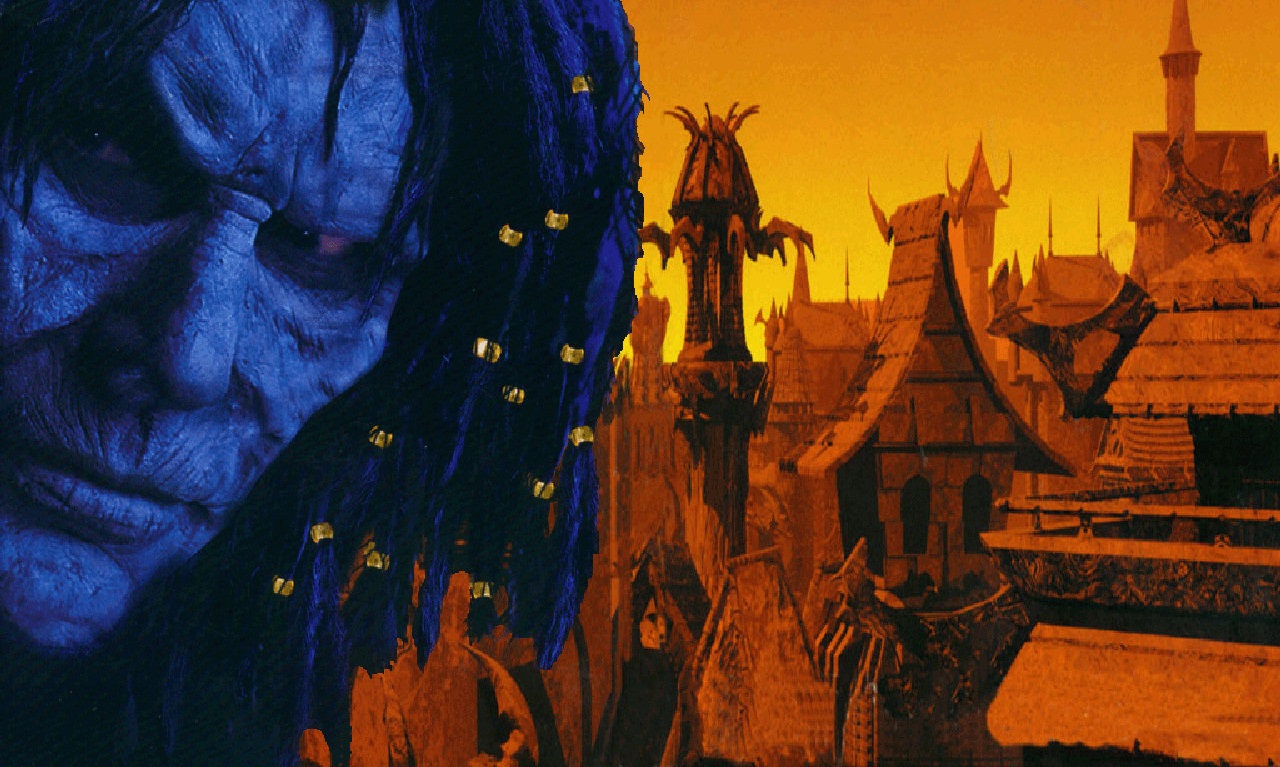
2. Planescape: Torment
Planescape: Torment remains a landmark for narrative ambition. It wasn't about saving the world, but about understanding a single, amnesiac protagonist and the indelible marks of his past. The writing, sharp and philosophical, elevated every conversation, making choice and consequence feel profoundly personal. Its bizarre, melancholic setting, the Planes, offered an unparalleled backdrop for introspection, proving that deep storytelling could be the ultimate gameplay.
3 / 6

3. Okami
Okami, originally on the PlayStation 2, is a masterclass in aesthetic and gameplay synergy. Its cel-shaded, sumi-e art style brought Japanese folklore to life in a way few games have matched. And the Celestial Brush mechanic wasn't just a gimmick; it was an intuitive, powerful tool that tied directly into the game's theme of restoring beauty to a blighted world. It felt like playing an interactive, living painting.
4 / 6
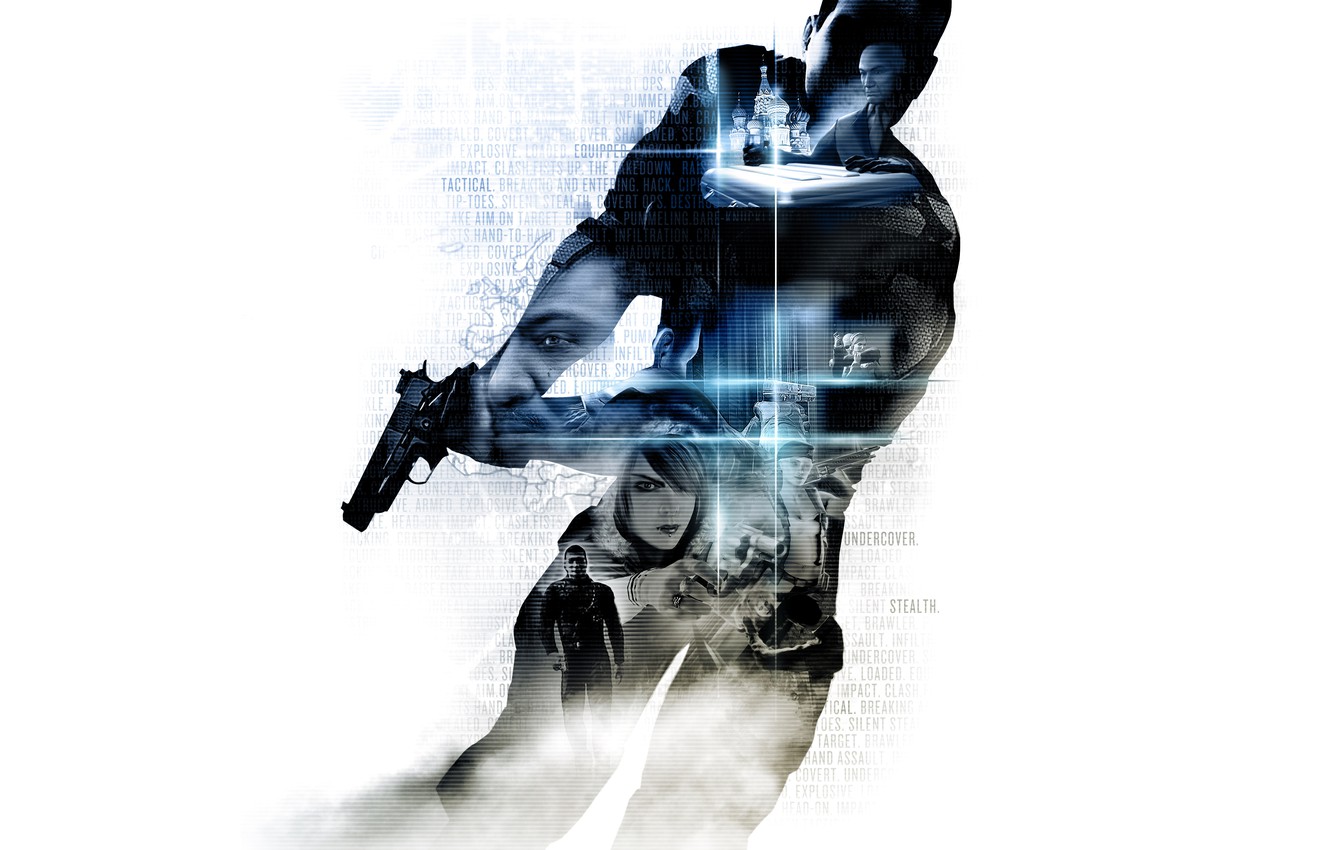
4. Alpha Protocol
Alpha Protocol, while rough around the edges, offered a fascinating glimpse into what a truly reactive espionage RPG could be. Dialogue choices genuinely mattered, twisting the narrative in significant, often unexpected ways. It didn't always play perfectly, but the sheer ambition in its branching story paths and the personal agency it afforded the player made it a cult classic. Few games have replicated its sense of consequence.
5 / 6
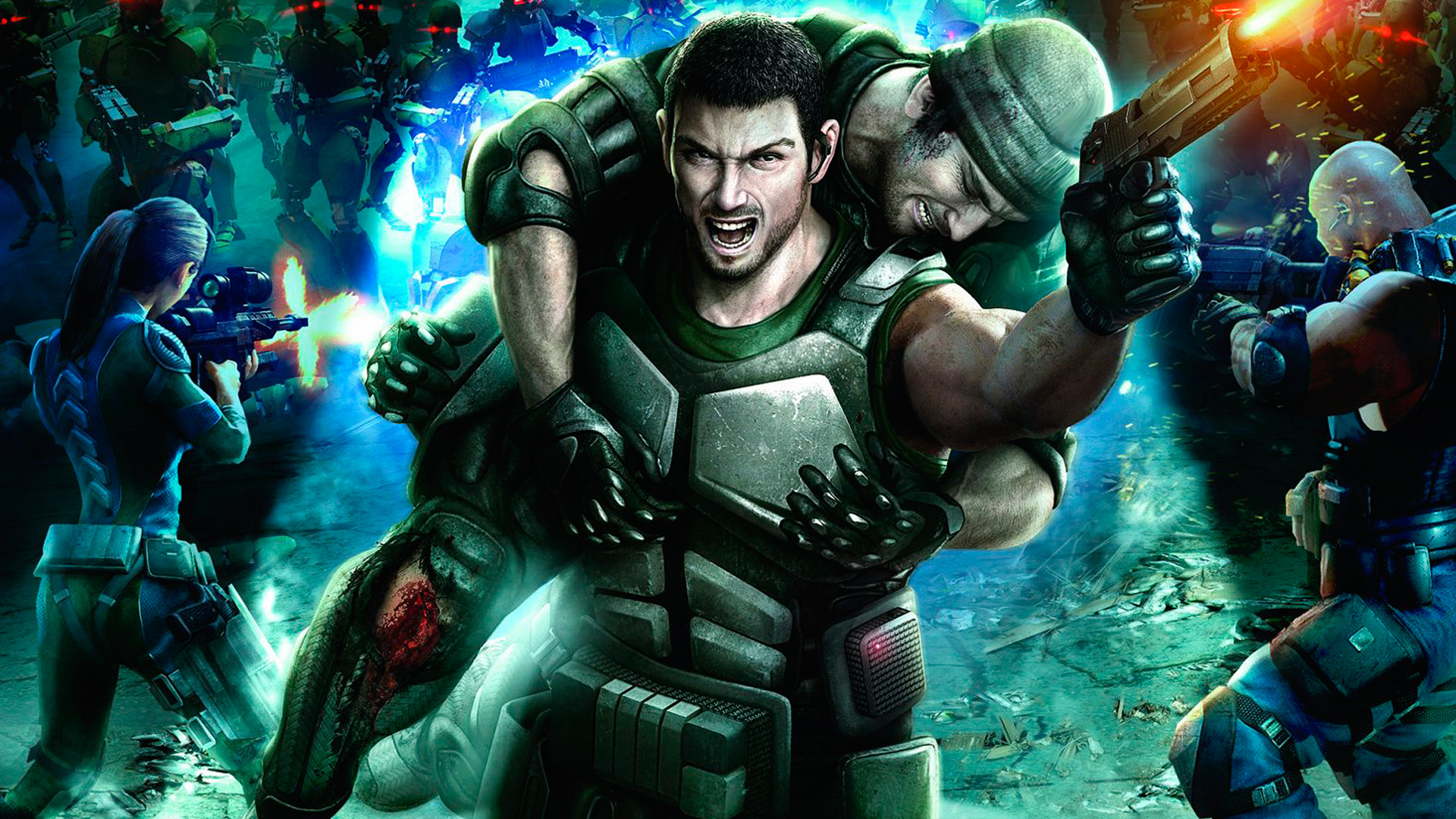
5. Binary Domain
Binary Domain was dismissed by many as just another third-person shooter, but it offered surprising depth. Its "Consequence System" for squad trust, reacting to player actions and dialogue, added a crucial layer to combat and narrative. And the story, featuring sentient robots and a blurring line between humanity and artificiality, was genuinely thought-provoking. It was a solid action game with an unexpected, poignant core.
6 / 6

6. Mark of the Ninja
Mark of the Ninja perfected 2D stealth, making every shadow and sound a tactical consideration. Its ingenious visual feedback, showing enemy sightlines and sound radius, empowered the player to make informed, precise decisions. Instead of frustrating trial and error, it offered an elegant, satisfying dance of evasion and assassination. It's a prime example of how thoughtful design can elevate a genre.