


1. Possession
Andrzej Żuławski’s 1981 film is a visceral, unhinged exploration of divorce, amplified by Isabelle Adjani’s legendary, intense performance. Shot against the bleak backdrop of Cold War Berlin, it morphs from psychological drama to full-blown cosmic horror, blurring lines between sanity and monstrous obsession. This isn't just a movie; it’s an experience that leaves you questioning reality, and sometimes, your own relationship choices. It's profoundly unsettling and unforgettable.
2. Come and See
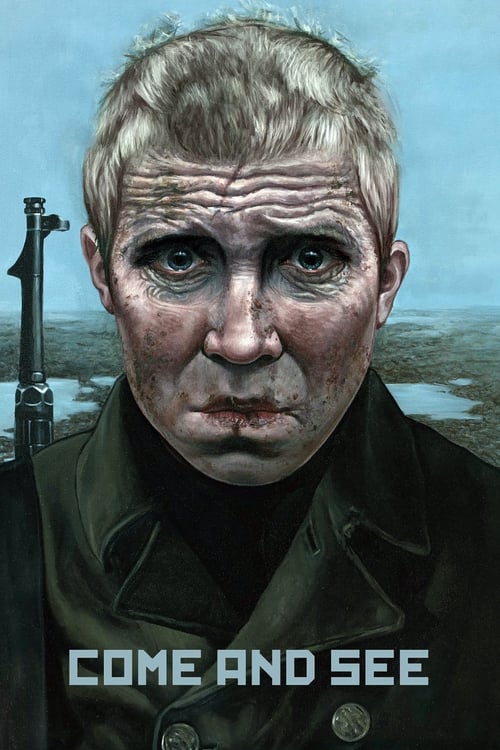
Elem Klimov's 1985 masterpiece isn't simply a war film; it’s a horrifying descent into the psychological trauma of World War II's Eastern Front. Through the eyes of a young boy, Florya, you witness the systematic dehumanization and unimaginable brutality inflicted upon Belarusian villages. Its unflinching realism, haunting sound design, and the protagonist’s rapid aging from innocence to terror make it an emotionally devastating, essential watch that sticks with you long after the credits.

3. Picnic at Hanging Rock
Peter Weir's 1975 Australian enigma is less a mystery to be solved and more an atmospheric spell cast. A group of schoolgirls vanishes during an outing, and the film luxuriates in the unresolved, unsettling beauty of the landscape and the colonial anxieties beneath the surface. Its dreamlike quality, coupled with a pervasive sense of dread, ensures the lingering questions about what happened are far more captivating than any definitive answer could ever be.
4. Targets
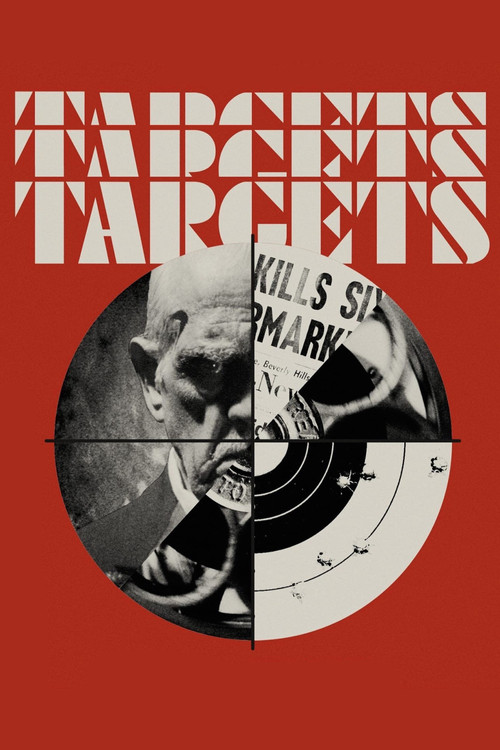
Peter Bogdanovich’s 1968 debut cleverly juxtaposes the fading career of horror icon Boris Karloff (playing himself, essentially) with the rise of a terrifyingly mundane, modern-day sniper. This film brilliantly captures the anxieties of late 60s America, suggesting that true horror no longer needed monsters from the silver screen but could emerge from suburban normality. It’s a sharp, prescient commentary on violence, media, and changing cultural fears.

5. Tampopo
Jûzô Itami’s 1985 "ramen western" is a joyous, culinary odyssey. It’s ostensibly about a truck driver teaching a widow how to perfect her ramen shop, but it’s really a sprawling, sensual celebration of food, love, and life itself. Full of quirky vignettes and absurd humor, it masterfully weaves together various stories that all revolve around the profound pleasure and ritual of eating. You’ll laugh, you’ll crave ramen, and you’ll feel deeply satisfied.
6. The Ascent
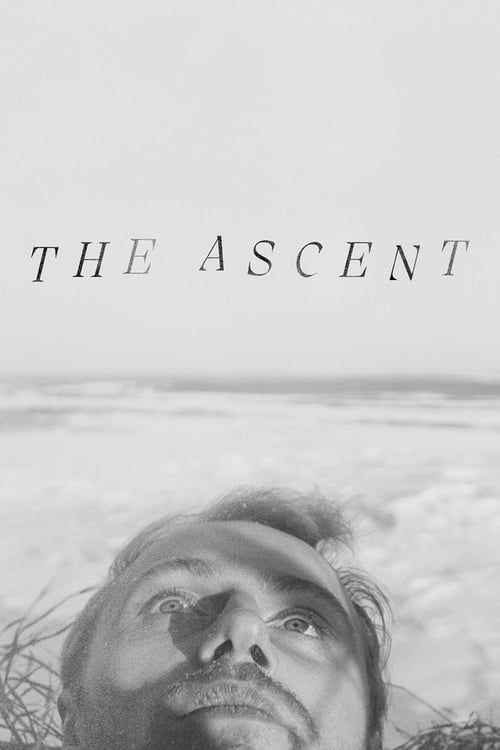
Larisa Shepitko’s 1977 film, made during Soviet times, is a spiritual and existential masterpiece set against the brutal backdrop of WWII. Two Soviet partisans, captured by the Nazis, face a harrowing test of faith, morality, and survival. Shot in stark black and white, it’s an unflinching portrayal of human endurance and betrayal, culminating in a profoundly moving examination of sacrifice and redemption. This film’s power is in its raw, unwavering gaze.
7. Brazil
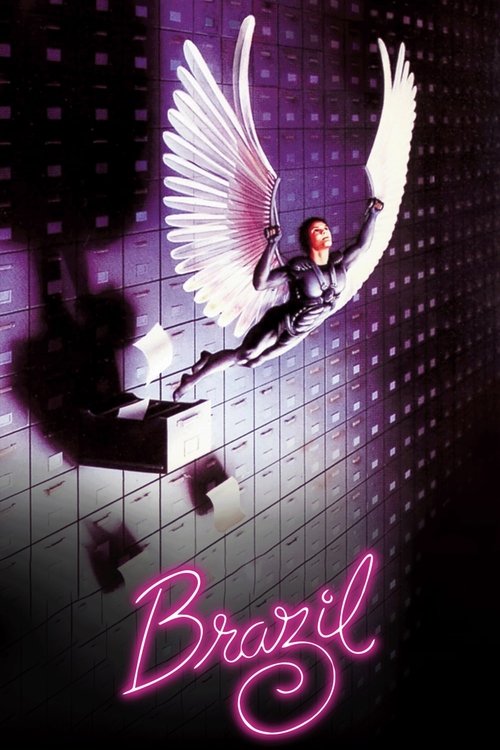
Terry Gilliam’s 1985 dystopian satire is a dazzling, chaotic vision of a bureaucratic nightmare world. Our protagonist, Sam Lowry, dreams of escape while navigating a painfully inefficient, gadget-filled society obsessed with paperwork and plastic surgery. It’s a darkly humorous, visually inventive critique of consumerism and authoritarianism, where imagination is the only true rebellion. Prepare for a wild, often frustrating, yet utterly unforgettable cinematic ride through Gilliam’s singular mind.
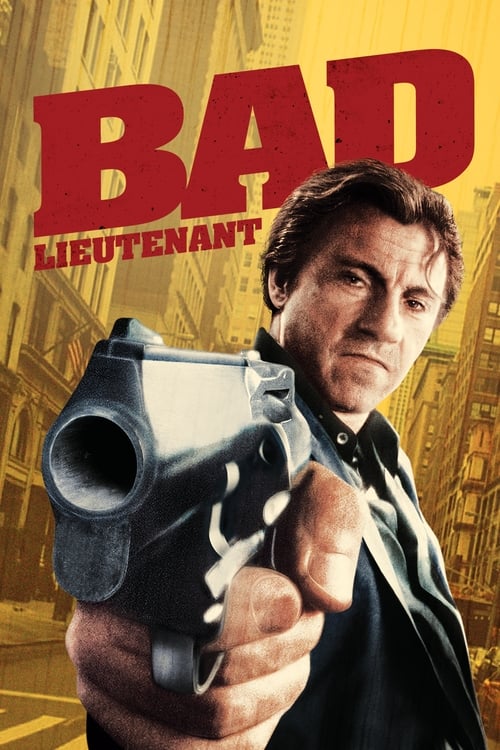
8. Bad Lieutenant
Abel Ferrara's 1992 film is a raw, unflinching dive into moral decay, anchored by Harvey Keitel’s fearless, career-defining performance. As a corrupt, drug-addicted New York City cop, he navigates a world of vice while grappling with a profound crisis of faith. It’s grimy, provocative, and deeply uncomfortable, but it’s also an intense exploration of sin, redemption, and the human capacity for both depravity and desperate, fragile hope. Not for the faint of heart.