1. Studio One
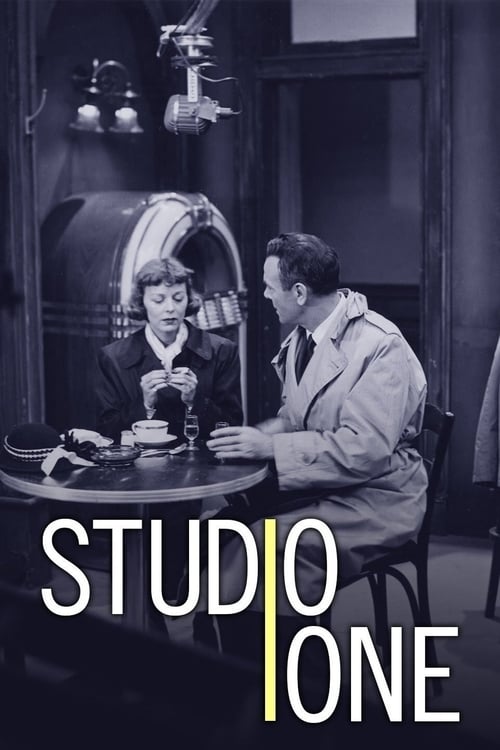
Ah, Studio One. Live television, straight from the stage to your living room. You really felt the tension, the actors performing without a net. It was raw, immediate, black-and-white drama that truly tested the limits of that small screen. They’d adapt anything, from Shakespeare to contemporary tales, often with a theatrical flair you just don't see anymore. A true benchmark for early dramatic television.

2. Naked City
This was New York City, grimy and real, not the sanitized version. "There are eight million stories in the Naked City," they'd say, and each week felt like a dive into one. A procedural before we even called them that, capturing the harsh realities of crime and justice. The black-and-white cinematography was almost another character, adding to that stark, unvarnished look.
3. Route 66
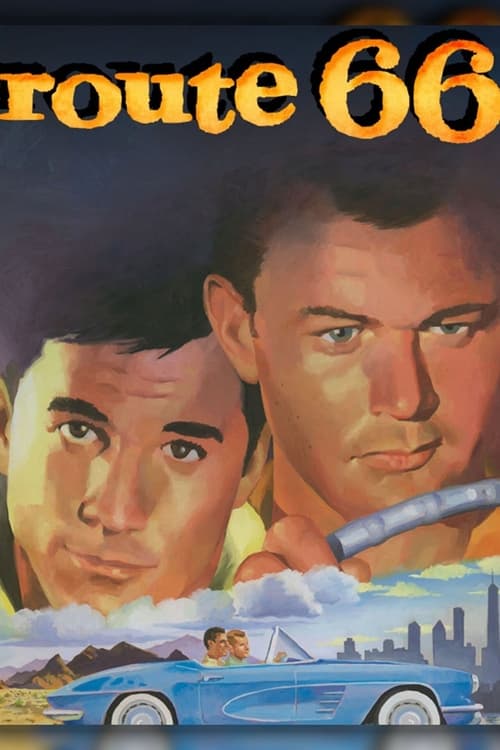
Two young fellas, a Corvette, and the open road. That was the premise, and it worked. They actually went to all those towns, you know, shooting on location. It wasn't just a backdrop; the places themselves became part of the story. Each week, new faces, new troubles, and a real sense of America stretching out before them. An early attempt at a serialized journey.
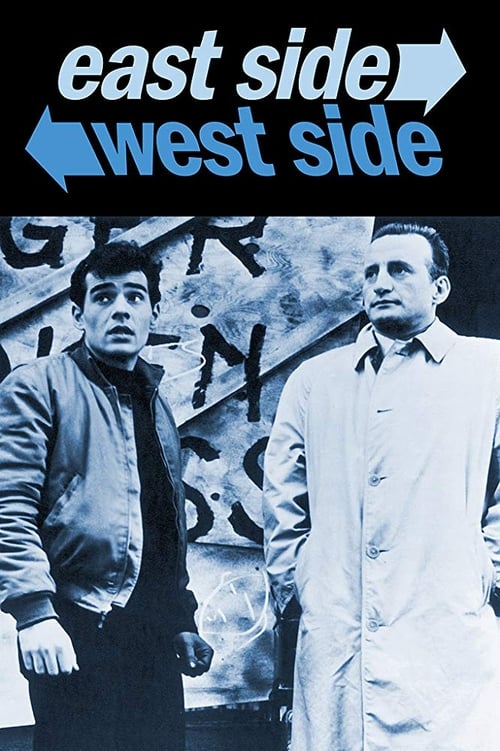
4. East Side/West Side
Now this one, it pushed buttons. George C. Scott as a social worker, tackling poverty, racial tension, all the heavy stuff. It was perhaps too real for audiences back then, too uncomfortable. Only lasted a season, but it showed what television *could* be—serious, provocative, not just escapism. No easy answers here, just hard truths.
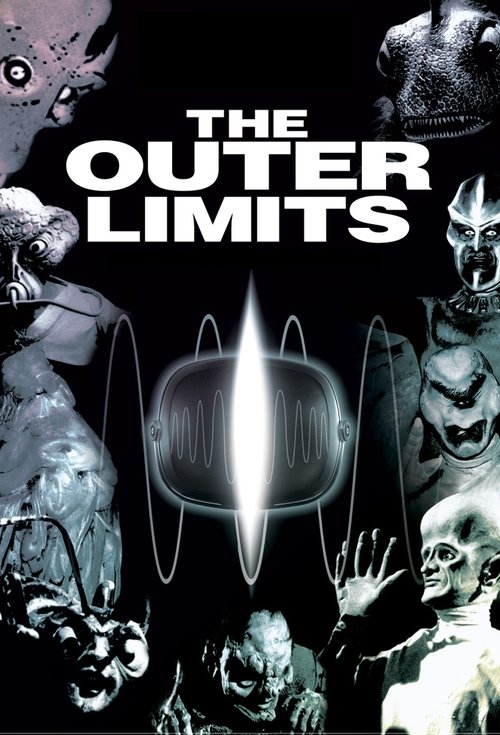
5. The Outer Limits
“There is nothing wrong with your television set...” And then, pure imagination. This wasn't just monsters, mind you; it was often intellectual, exploring what it meant to be human through alien encounters or scientific blunders. That black-and-white photography, those stark shadows, it all contributed to an atmosphere of genuine unease and wonder. A thinking person's sci-fi.

6. The Fugitive
This was the ultimate chase. Dr. Richard Kimble, wrongly accused, always on the run. Every week, a new town, new characters, and the relentless Lieutenant Gerard closing in. It was a serialized story, years before that was common, keeping you hooked. The payoff, when it finally came, felt earned. Great black-and-white melodrama, full of suspense.
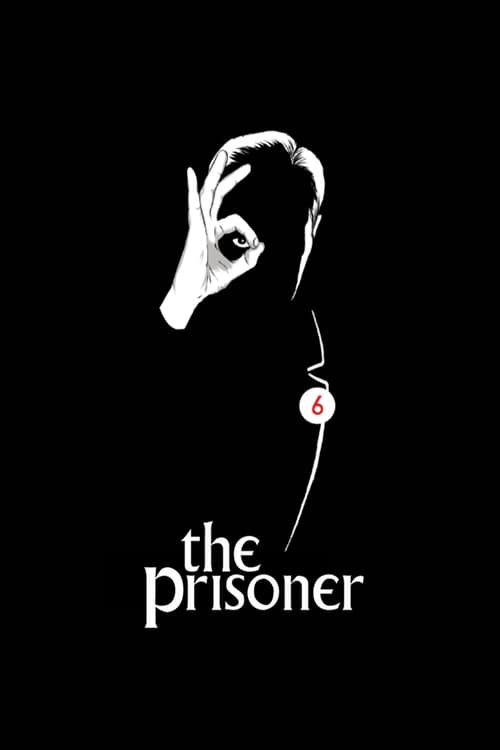
7. The Prisoner
Well, this was something else entirely. A British import that just bewildered people, but in a good way. Patrick McGoohan, "Number Six," trapped in The Village, constantly trying to escape. A long, winding mystery, each episode peeling back another layer of an impossible onion. It challenged you, made you think. Surreal, yes, and truly original.
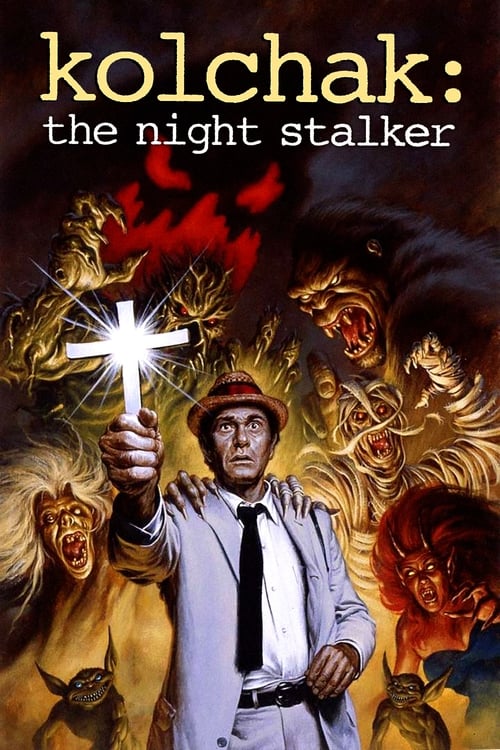
8. Kolchak: The Night Stalker
Carl Kolchak, that rumpled reporter, always stumbling onto vampires, werewolves, you name it. Nobody ever believed him, of course. It had that great blend of monster-of-the-week thrills and a knowing wink. It was scary, but also a bit campy, especially with Darren McGavin's performance. A cult favorite that carved out its own unique niche.