
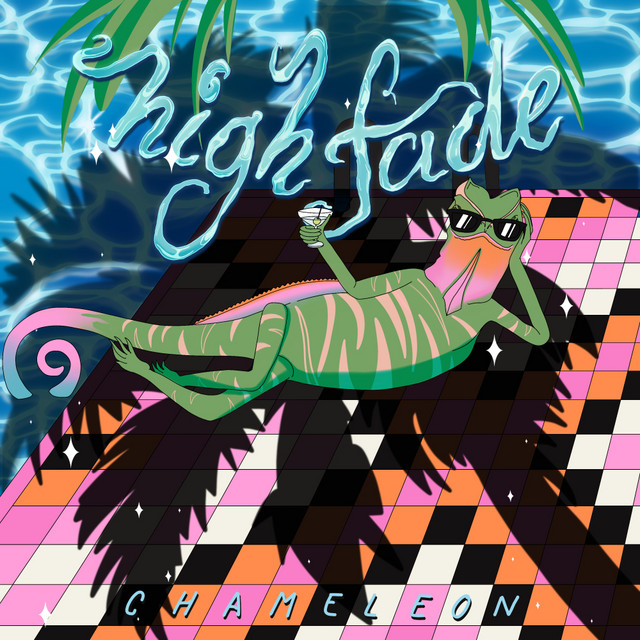
1. Chameleon
The sheer audacity of this track, pulling together the raw funk of James Brown with sophisticated jazz improvisation, remains staggering. Herbie's ARP Odyssey squelches and that undeniable Hohner Clavinet riff, locked into Paul Jackson's seismic bassline and Harvey Mason's impeccable drumming, defined a new rhythmic lexicon. This wasn't just fusion; it was a masterclass in how to construct an organic, living groove, captured with a pre-digital studio's visceral punch.
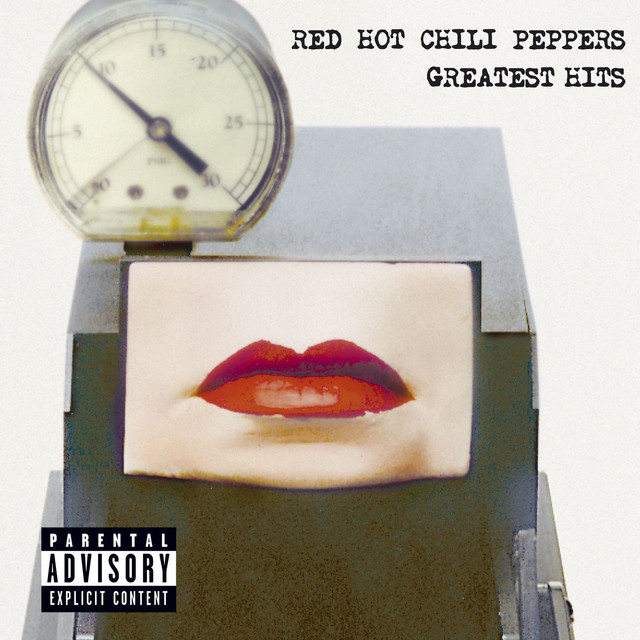
2. Greatest Hits
The Smiths' entire catalog, often distilled into their 'Greatest Hits', presented a stark, almost austere, yet undeniably romantic sound. Johnny Marr’s intricate, chiming guitar work, often drenched in spring reverb and chorus, was the true sonic innovator here, a counterpoint to Morrissey’s brooding narratives. This was post-punk's melancholic heart, meticulously crafted in studios where every strum and vocal inflection carried profound weight, untouched by sterile digital gloss.
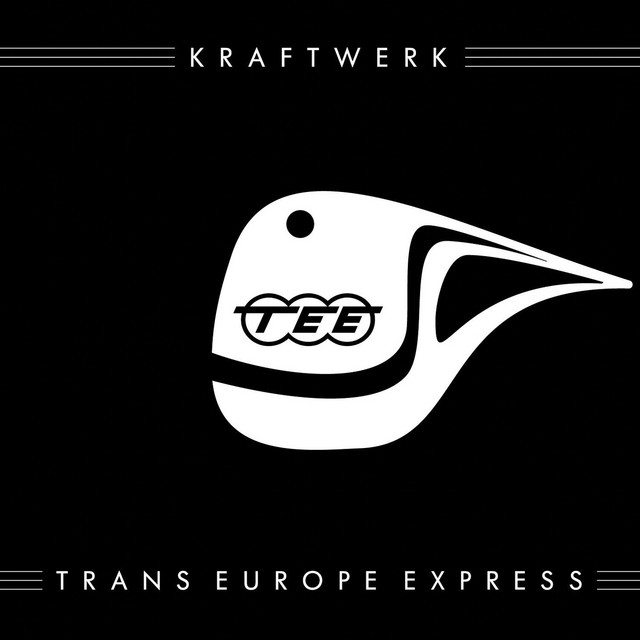
3. Trans-Europe Express (2009 Remaster)
Forget the 2009 remaster for a moment; the original 1977 'Trans-Europe Express' was a stark, mechanical revelation. Kraftwerk utilized bespoke analog sequencers and synthesis to construct a precise, rhythmic soundscape that was utterly alien yet profoundly groovy. Its stark, repetitive motorik pulse and icy electronic textures laid the blueprint for electro, techno, and synth-pop. This was human-machine symbiosis perfected in the pre-MIDI, pre-digital domain.

4. Transmission
Joy Division's "Transmission" is a masterclass in tension and release, a raw nerve exposed. Ian Curtis's desolate vocals, Bernard Sumner's angular, trebly guitar, and Peter Hook's signature high-register bassline coalesce into an urgent, almost desperate sonic landscape. Recorded with a stark, unfussy production typical of early post-punk, it captured an authentic, unvarnished energy that digital manipulation simply could not replicate. This is cold, stark beauty.
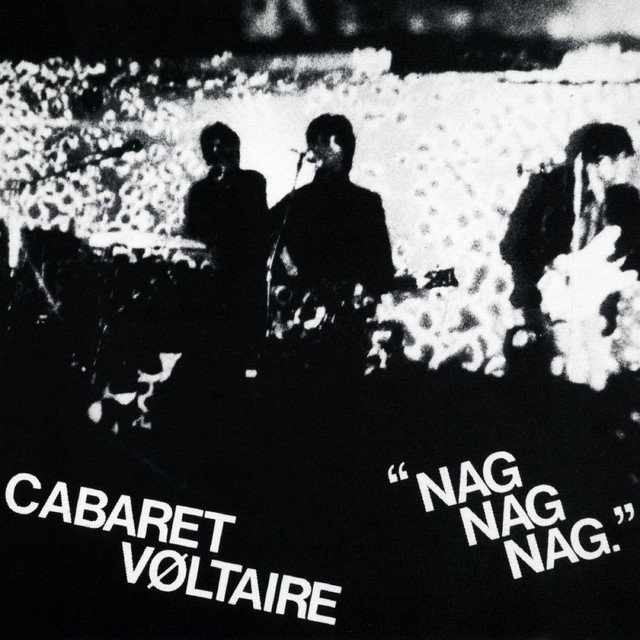
5. Nag Nag Nag
Cabaret Voltaire’s "Nag Nag Nag" epitomized early industrial's abrasive, confrontational stance. Constructed from fragmented, distorted tape loops, guttural vocals, and raw electronic percussion, it was a visceral assault. This track showcased how artists could sculpt compelling, rhythmic chaos from rudimentary analog equipment, pushing sonic boundaries far beyond conventional music. Its sheer, unrefined aggression was a direct product of that pre-digital, hands-on, cut-and-paste methodology.
6. Good Times Go
From their early, more experimental phase, The Human League's "Good Times Go" demonstrates the cold, almost austere potential of early analog synthesizers. Its stark, minimalist arrangement, driven by rudimentary drum machines and monochromatic synth lines, created a profoundly melancholic atmosphere. This wasn't the polished pop they'd later achieve; it was a blueprint for synth-driven darkwave, proving that emotional depth could be conveyed through stark electronic textures in a pre-digital landscape.

7. Straight Edge Revenge
Project X's "Straight Edge Revenge" delivered a furious, unadulterated blast of hardcore punk. Clocking in at barely over a minute, its blistering speed, raw production, and uncompromising lyrical directness were hallmarks of the youth crew era. This wasn't about studio polish; it was about raw, visceral energy captured directly to tape, a primal scream that resonated with a generation seeking purity and defiance. The pre-digital era allowed for such immediate, unvarnished sonic declarations.

8. Planet Rock
Afrika Bambaataa’s "Planet Rock" was a seismic event, marrying Kraftwerk's mechanical precision with funk's undeniable groove. The iconic Roland TR-808 beat, vocoded vocals, and synth bassline created an entirely new rhythmic foundation for hip-hop and electronic music. This track wasn't merely influential; it was a definitive statement of electro-funk's potential, proving that purely electronic arrangements could possess soul and propel dancefloors with an unprecedented, futuristic energy.