

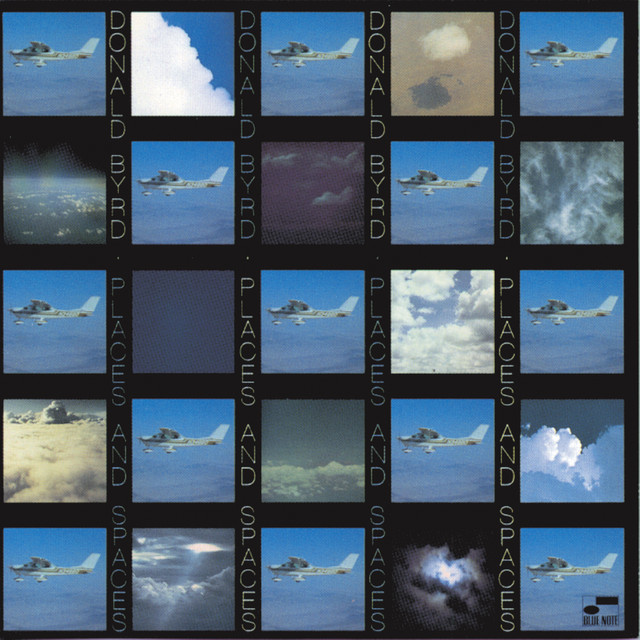
1. Places And Spaces
Donald Byrd’s 1975 opus remains a benchmark for jazz-funk fusion, its grooves cut deep by Harvey Mason's impeccable drumming and the soulful churn of the Rhodes. This record, captured on tape with such meticulous clarity, exhibits a warmth and immediacy that digital simply cannot replicate. The arrangements, particularly the horn sections, swell and recede with a dynamic range that makes each listen a fresh revelation. It is a masterclass in analog production, a vibrant, living sound.

2. Suicide (2019 - Remaster)
The self-titled debut from Suicide, from 1977, is still a visceral shock to the system. It is a stark, almost brutalist, exercise in electronic minimalism, conceived with just a primitive rhythm machine and a sputtering synth. Alan Vega’s confrontational vocals, drenched in reverb, cut through the mechanical throb with an unnerving urgency. This wasn't just punk; it was a cold, alien sound forging its own path, proving that raw energy could be conjured from circuitry and pure intent.
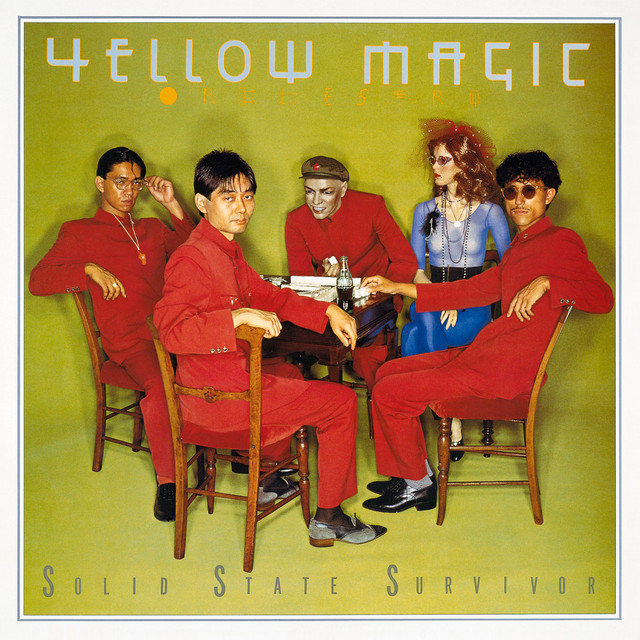
3. Solid State Survivor
Yellow Magic Orchestra's 1979 effort was an undeniable blueprint for the electronic future. Its meticulously crafted synth lines, propelled by precise sequencers and LinnDrum patterns, established a new paradigm for pop music. The interplay between Ryuichi Sakamoto's melodic genius and Haruomi Hosono's rhythmic innovation, all recorded with a pristine analog sheen, created a sound both accessible and utterly alien. It was a bold declaration of intent, forecasting the decade's synth-driven landscape with uncanny accuracy.

4. Deceit
This Heat's 1981 statement, "Deceit," is a stark, unsettling artifact of post-punk's more experimental fringes. Its rhythmic complexity, often fractured and unsettling, coupled with angular guitar work and dub-inflected textures, creates an atmosphere of pervasive dread. Recorded with an almost claustrophobic intensity, the analog grit of the tape machine is palpable, amplifying the album's bleak, industrial undertones. It is a challenging listen, but one that rewards persistent exploration of its desolate sonic architecture.

5. vs.
Mission of Burma's 1982 debut, "Vs.," remains a cornerstone of post-hardcore, a furious explosion of controlled chaos. The interplay between Roger Miller’s searing guitar and Clint Conley’s propulsive bass, all underpinned by Peter Prescott’s relentless drumming, is simply electrifying. And then there’s Martin Swope’s tape loops, adding that crucial, disorienting textural layer. Recorded live to tape with minimal fuss, it captures a raw, unvarnished power that digital sterility could never hope to replicate.
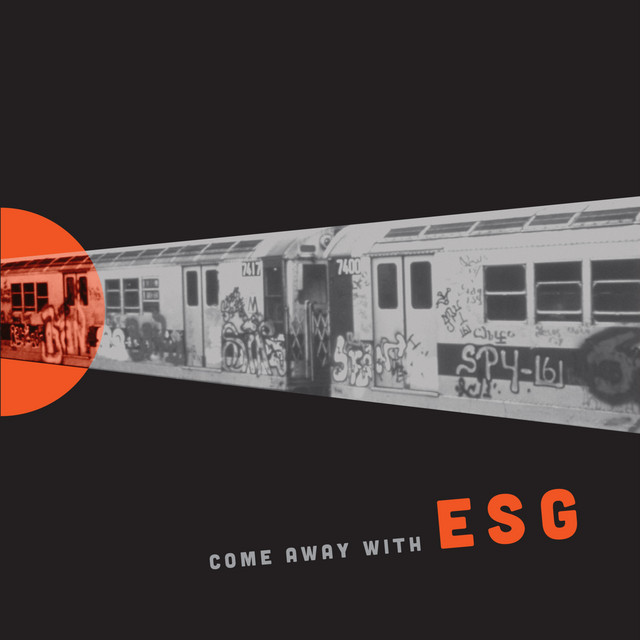
6. Come Away with ESG
ESG's 1983 debut EP is a masterclass in rhythmic minimalism, a record that stripped funk down to its bare, essential bones. The sparse, infectious basslines and raw, unadorned percussion, captured with a captivating immediacy, became an undeniable influence on early hip-hop and house. It possesses an almost tactile quality, the sound of musicians locking into an undeniable groove in a room, the analog tape capturing every resonant thud and cymbal clang with perfect, unpretentious clarity.
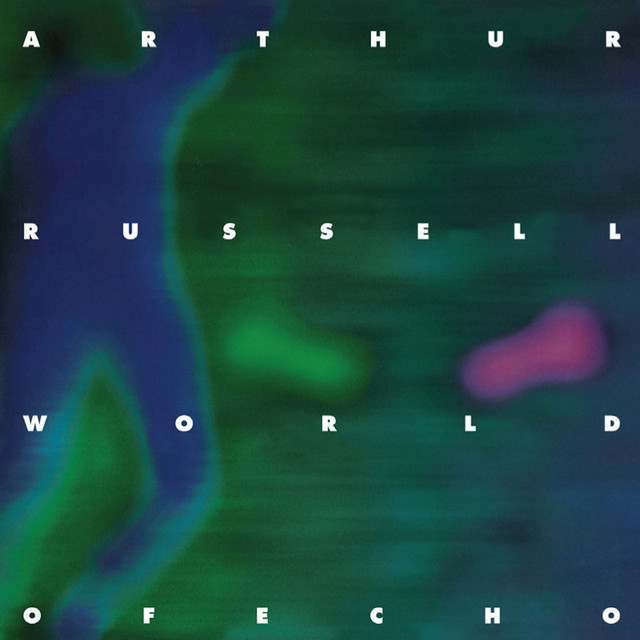
7. World Of Echo
Arthur Russell’s 1986 "World Of Echo" is a singular, otherworldly experience. His cello, voice, and sparse electronic treatments are drenched in cavernous reverb, creating a deeply introspective and almost spiritual atmosphere. It is a record that demands quiet contemplation, each note hanging in the air, a delicate balance of fragility and profound depth. The analog warmth of its production perfectly complements its haunting beauty, crafting an intimate soundscape unlike anything else committed to tape.
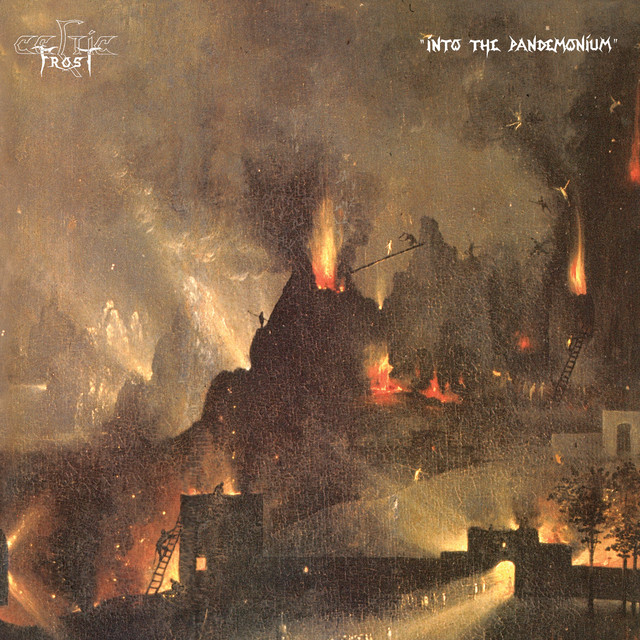
8. Into the Pandemonium
Celtic Frost’s 1987 "Into the Pandemonium" defied all conventional metal boundaries. It was a bold, almost reckless, fusion of thrash aggression, industrial clangor, and even classical orchestration. The sheer ambition, coupled with Tom G. Warrior’s guttural pronouncements, created a jarring, yet compelling, sonic tapestry. Its raw, analog production amplifies the experimental edge, making the transitions from symphonic swells to grinding riffs feel even more impactful, a true pandemonium captured on tape.