1 / 8
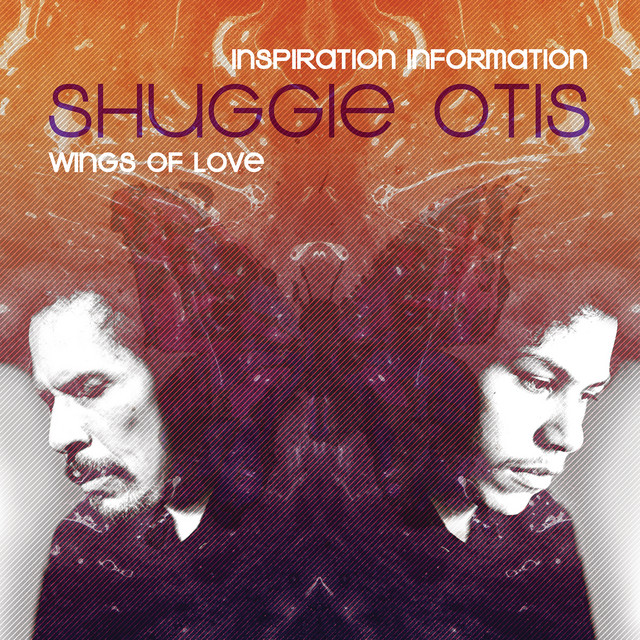
1. Inspiration Information/ Wings Of Love
Shuggie Otis, a singular talent, crafted this 1974 masterpiece, a languid, psychedelic funk odyssey. He played nearly every instrument, layering intricate guitar lines, soulful keys, and a drum machine, all contributing to an unhurried, almost melancholic groove. Even before the 'Wings of Love' compilation expanded its reach, the original 'Inspiration Information' was a testament to pre-digital, multi-instrumental genius, a true mood piece that unfolds with each listen. It was far ahead of its time.
2 / 8

2. Real Life
Magazine's 1978 debut felt like a vital, intellectual counterpoint to punk's raw energy. Howard Devoto’s sardonic wit and distinctive vocal delivery, paired with John McGeoch’s angular, often soaring guitar work, created a sophisticated art-rock blueprint. The arrangements were taut, precise, and undeniably British, exploring themes of alienation with a compelling blend of urgency and detachment. It’s a foundational text for post-punk's more cerebral leanings, a truly smart record.
3 / 8

3. Deceit
This Heat, with their 1981 swansong, forged an industrial-tinged post-punk sound that was both unsettling and utterly compelling. Their approach to rhythm and texture, often built from tape loops and found sounds, felt revolutionary. The production, raw yet meticulously crafted, highlighted a bleak sonic landscape that few have matched since. It's a challenging listen, but 'Deceit' reveals its intricate, rhythmic genius with repeated immersion, a pre-digital marvel of sonic manipulation.
4 / 8
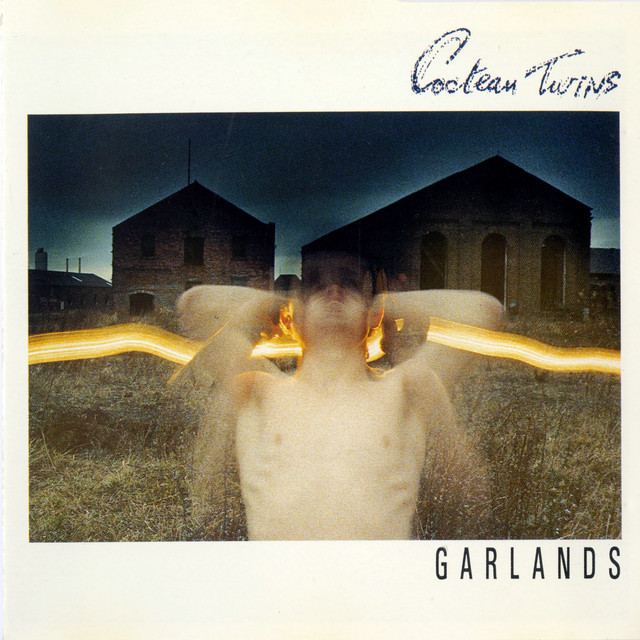
4. Garlands
The Cocteau Twins’ 1982 debut introduced a nascent sound that would soon define an entire subgenre. Liz Fraser's ethereal, often indecipherable vocals swirled above Robin Guthrie's reverb-drenched guitars and a minimalist, often stark rhythm section. It was darker, more aggressive than their later work, yet already possessed that signature atmospheric quality. 'Garlands' felt like a glimpse into a mysterious, beautiful, and slightly menacing sonic realm, all achieved with early 80s studio techniques.
5 / 8
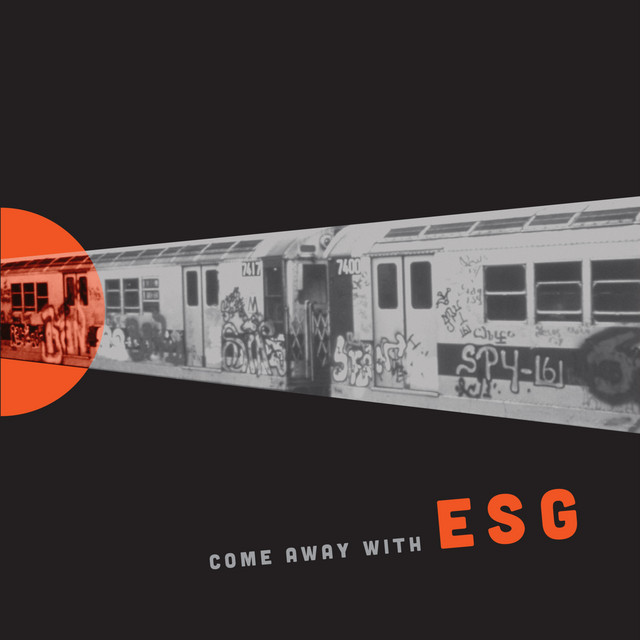
5. Come Away with ESG
This 1983 EP from ESG was a masterclass in minimalist funk, a stripped-down rhythmic force that became a cornerstone for early hip-hop and house. Their raw, almost skeletal arrangements, driven by incredibly tight basslines and percussion, proved that less could be infinitely more. There’s an undeniable, infectious groove here, completely unpolished and utterly authentic. It's the sound of a band locking in perfectly, creating something timeless without any studio trickery.
6 / 8
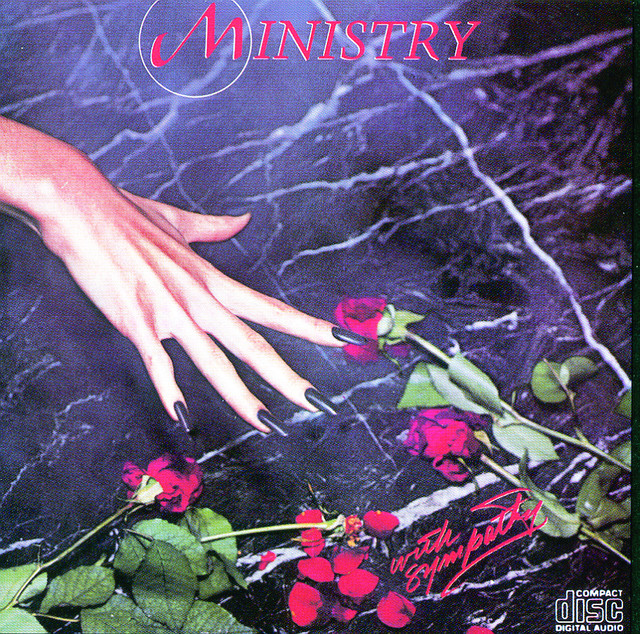
6. With Sympathy
Ministry's 1983 debut was a stark contrast to their later industrial onslaught. This was pure, unadulterated synth-pop, polished and undeniably catchy. Al Jourgensen's vocals were clean, the melodies bright, and the electronic textures smooth, showcasing a different facet of 80s electronic music. While often disowned by the band, it remains a fascinating snapshot of the era's production values and a testament to the versatility (or confusion) of early synth-based artists before genre lines hardened.
7 / 8
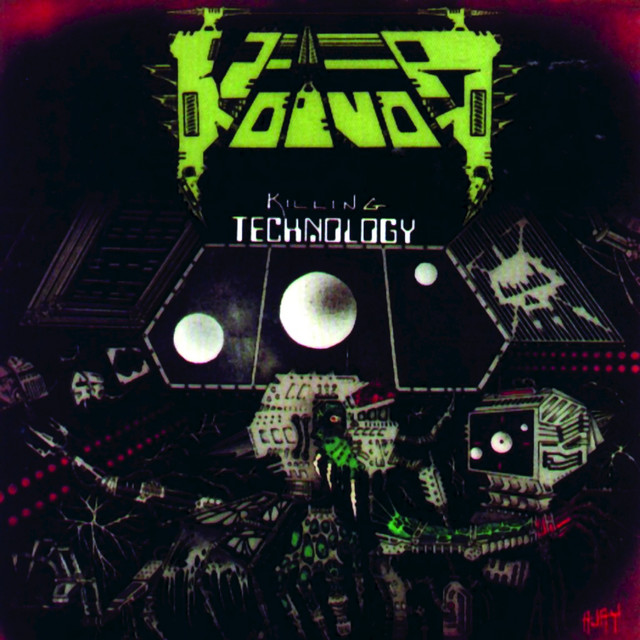
7. Killing Technology
Voivod’s 1987 album was a quantum leap in thrash metal, injecting progressive complexity and sci-fi themes into the genre. Their dissonant, angular riffs, coupled with intricate song structures and Denis Bélanger's distinctive vocals, created a truly unique sound. This wasn't just speed; it was intelligent, futuristic aggression. 'Killing Technology' pushed the boundaries of what metal could be, proving that technical prowess and conceptual depth could coexist within heavy music.
8 / 8
8. Amnesia
Klaus Schulze's 1988 double album was a sprawling, hypnotic journey through the vast soundscapes of analog synthesis. As a pioneer of the Berlin School, Schulze meticulously crafted long-form electronic pieces that evolved slowly, drawing the listener into deeply atmospheric realms. His mastery of sequencing and texture, evident throughout 'Amnesia,' demonstrated the immense potential of pre-digital electronic instrumentation for creating truly immersive, introspective experiences that transcend mere background music.