
1 / 7
1. Good Times Go
This track codified disco's rhythmic precision, a testament to Rodgers and Edwards’ genius. The bassline, a masterclass in syncopation and groove, laid the foundation for an entire era of dance music. Its clean, almost clinical production, juxtaposed with the effervescent strings and vocal harmonies, demonstrated how studio craft could elevate a simple melody into a timeless anthem. And that break? It’s the bedrock of early hip-hop.
2 / 7

2. Blue Monday
New Order’s magnum opus, a cold, mechanical marvel. That insistent, driving drum machine, layered with the iconic synth arpeggio, felt utterly alien yet undeniably danceable. This wasn't just synth-pop; it was a blueprint for nascent techno and industrial sounds, a stark, electronic landscape born from post-punk angst. The track’s sheer length, its refusal to conform to radio edits, only amplified its hypnotic, relentless power.
3 / 7
3. Warm Leatherette
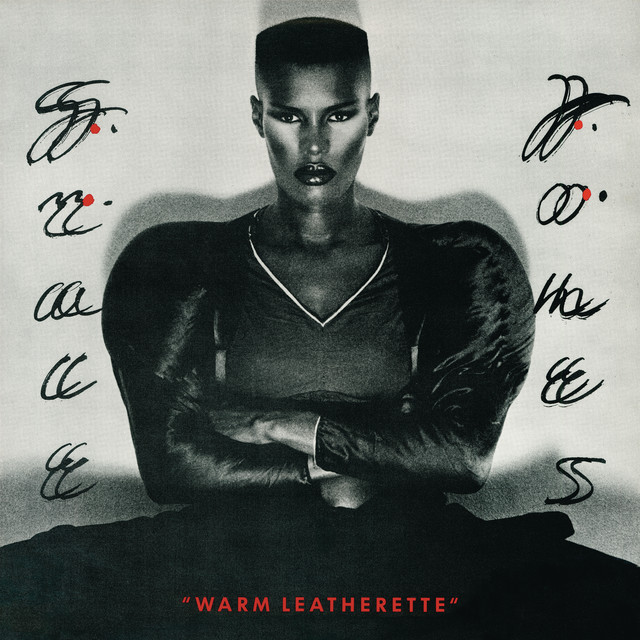
Daniel Miller's stark, minimalist synth pulse, a raw, almost threatening sonic landscape. The Normal's original cut was a harbinger of industrial and coldwave, a deliberate rejection of lushness for something starkly mechanical and unsettling. Grace Jones’ later interpretation, while adding a sophisticated sheen, still retained that unsettling, detached core. It spoke of alienation in a rapidly modernizing world, a chillingly effective piece of electronic art-rock.
4 / 7
4. Birdland
A quintessential jazz-fusion moment. Zawinul’s Rhodes piano and synth textures, Jaco Pastorius's melodic, almost vocal basslines, and Shorter's lyrical saxophone weaving through it all. It’s a masterclass in ensemble interplay, where each instrument maintains its identity while contributing to a complex, soaring whole. The production, typical of the late '70s, allowed every intricate layer to breathe, showcasing fusion's ambitious, expansive spirit.
5 / 7
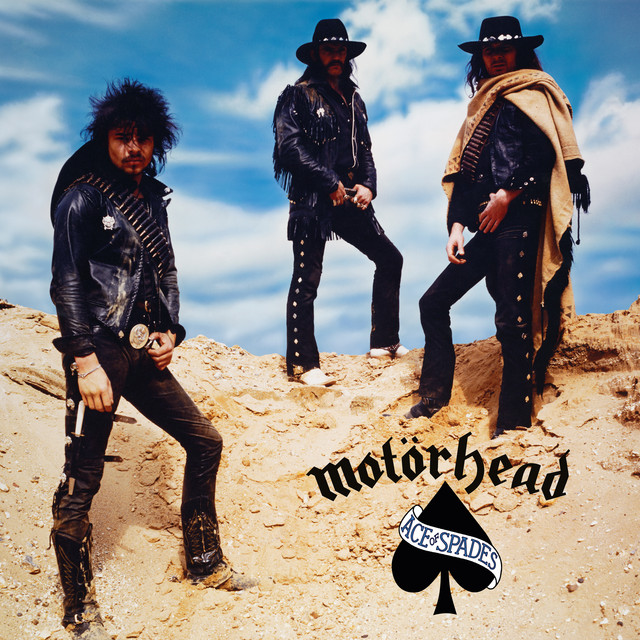
5. Ace of Spades
Pure, unadulterated sonic aggression. Lemmy's gravelly roar, the relentless, driving bass, and Philthy Animal Taylor's furious drumming created a prototype for speed metal and thrash. This wasn't polished; it was raw, visceral, and unapologetically loud. The track's economy of sound, its punchy, no-nonsense delivery, demonstrated how sheer force and attitude could become a genre's defining characteristic, cutting through everything else.
6 / 7
6. Can You Feel It
An epic, orchestral funk-disco masterpiece. The sheer scale of the production, those sweeping strings, the propulsive bass and drums, and the soaring vocal harmonies, all before the digital era. It was a statement, a testament to what a large ensemble and meticulous studio arrangement could achieve. This track wasn't just dance music; it was a grand, optimistic declaration, a precursor to the polished, expansive R&B of the early '80s.
7 / 7

7. The 13 Days of Christmas
This peculiar piece, a dissonant take on yuletide tradition, eschews jingle bells for clangorous percussion and bleak synth pads. Its unsettling, almost ritualistic rhythm suggests a subversion of festive cheer, leaning into the era's fascination with the macabre and the mechanical. It's a testament to how artists could deconstruct familiar motifs, creating an unsettling, almost industrial soundscape from something ostensibly wholesome, a chilling counterpoint to saccharine holiday fare.