

1 / 7
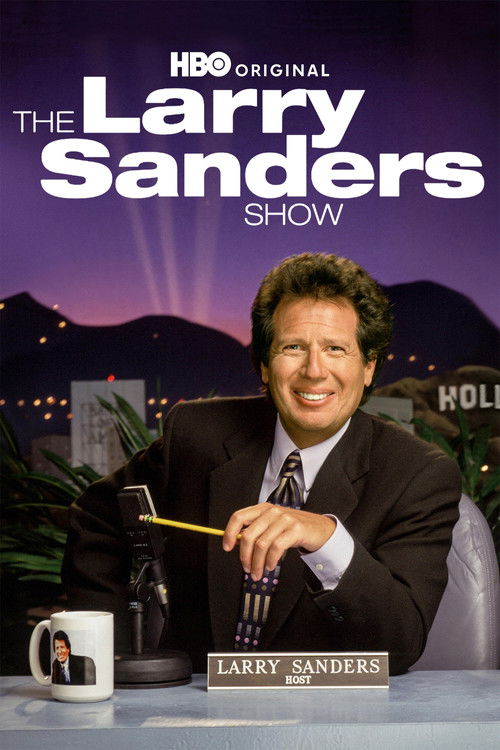
1. The Larry Sanders Show
Before every show tried to be clever, Larry Sanders showed us the brutal, hilarious truth behind late-night. It wasn't just a sitcom; it was a mockumentary masterclass, peeling back the veneer of celebrity with unflinching honesty. Garry Shandling created characters so real you felt you knew them, pioneering a style that blurred lines and set the stage for complex, serialized comedy where the laughs often came with a side of existential dread. This was HBO showing what cable could do.
2 / 7
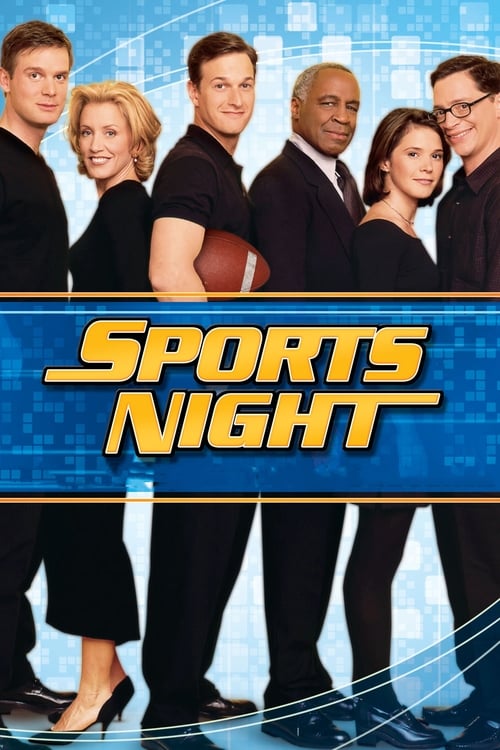
2. Sports Night
Aaron Sorkin’s debut was a rapid-fire dialogue clinic, a dramedy that proved smart writing didn't need a laugh track. It pulled back the curtain on a sports news show, but the real game was the intricate relationships and moral quandaries of its ensemble cast. It blended humor with genuine emotional stakes, pushing network TV toward more sophisticated storytelling, even if it felt a little out of place on ABC. It was a clear signal that television could aspire to be more than just episodic.
3 / 7
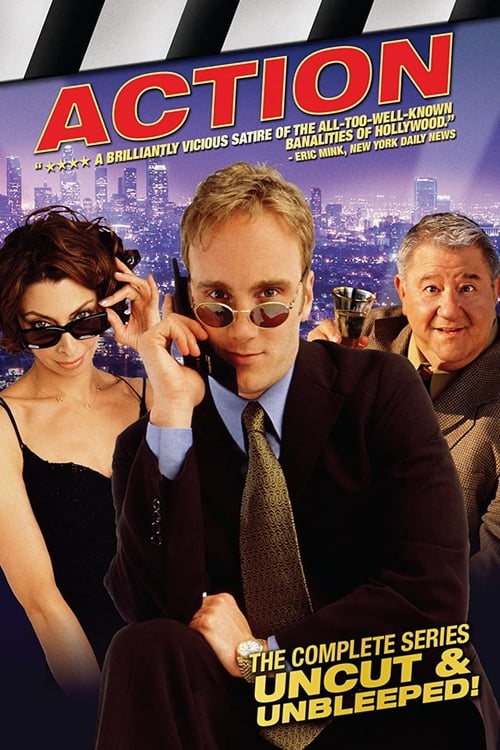
3. Action
This one was a shot across the bow, a viciously funny, dark satire of Hollywood that was probably too raw for late-90s network television. It was mean, it was cynical, and it pulled no punches, starring Jay Mohr and Illeana Douglas as morally bankrupt studio execs. "Action" pushed the boundaries of what you could get away with on primetime, proving that some stories were just too audacious for the big broadcasters, foreshadowing the wilder cable shows to come.
4 / 7
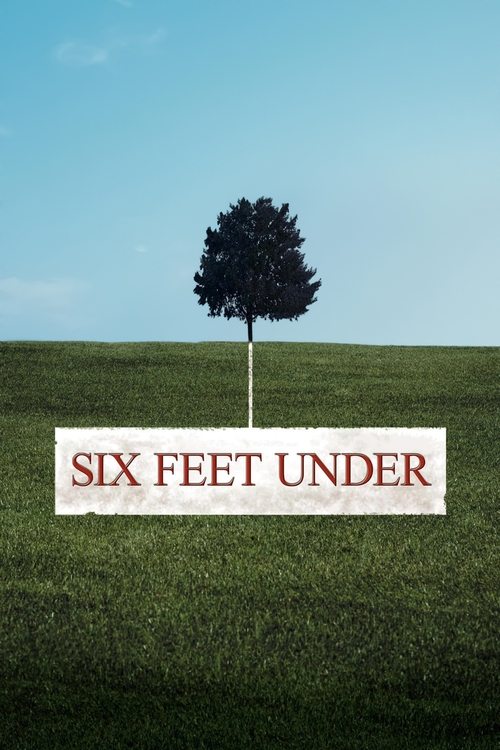
4. Six Feet Under
HBO cemented its reputation with this one. "Six Feet Under" wasn't afraid to confront mortality head-on, literally starting each episode with a death. It explored the lives of a family running a funeral home with a blend of dark humor, profound introspection, and surreal dream sequences. This was prestige television personified: deeply character-driven, beautifully shot, and unafraid to linger on the messy, complex, and often uncomfortable aspects of life and death, proving that TV could be art.
5 / 7
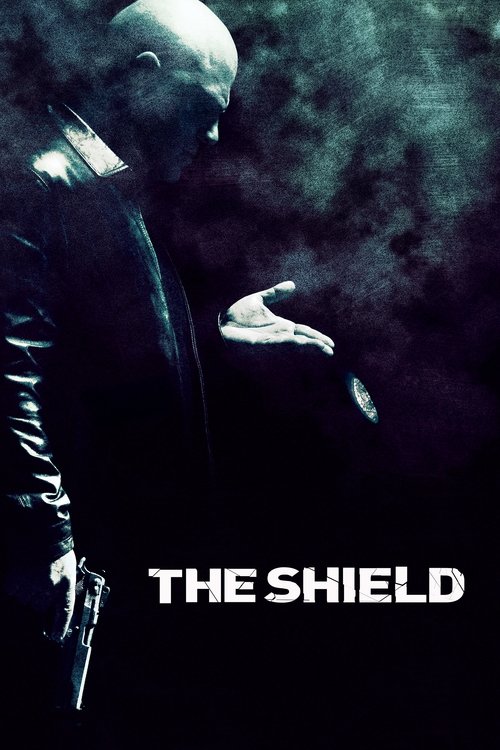
5. The Shield
FX arrived with a bang, dropping the anti-hero concept squarely onto basic cable. Vic Mackey and the Strike Team weren't cops you rooted for; they were complicated, morally compromised figures operating in a world without easy answers. "The Shield" was raw, visceral, and serialized, forcing viewers to grapple with ethical dilemmas over seasons, not just episodes. It proved that a network outside the HBO/Showtime elite could produce groundbreaking, gritty drama that redefined the police procedural.
6 / 7
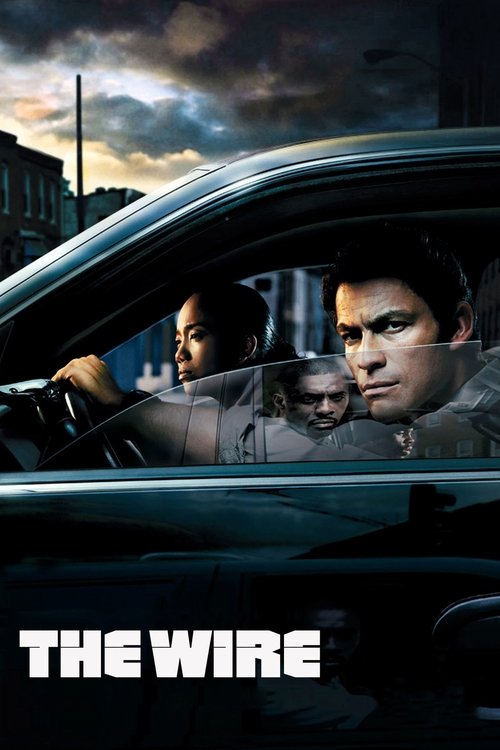
6. The Wire
Forget everything you thought you knew about crime dramas. "The Wire" wasn't just about cops and robbers; it was a sprawling, systemic examination of a city through its institutions—the police, the drug trade, the docks, the schools. Its cinematic scope and novelistic storytelling demanded attention, building an unparalleled ensemble cast and showing every angle of a broken system. It was a slow burn, a commitment, and arguably the most ambitious, intelligent piece of long-form storytelling TV had ever seen.
7 / 7
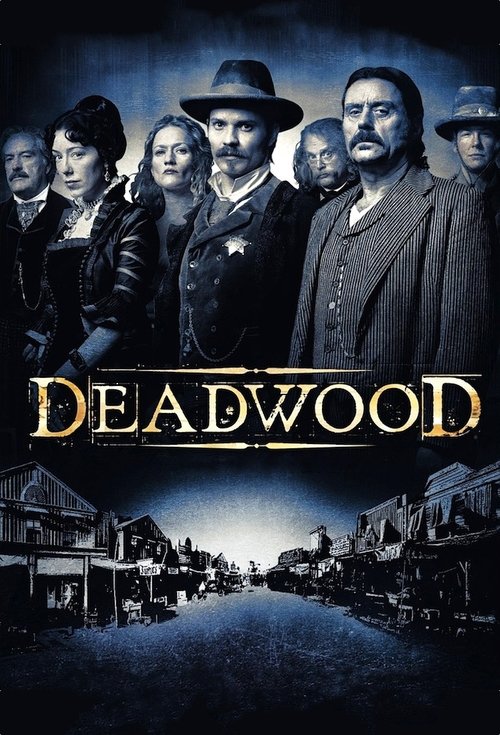
7. Deadwood
David Milch took a dusty old genre and reinvented it with a poetic, profanity-laced fury. "Deadwood" was a historical drama that felt utterly contemporary, depicting the brutal birth of civilization in the American West with an ensemble cast delivering some of the most distinctive dialogue ever written for television. It was visually stunning, narratively dense, and unapologetically adult, proving that period pieces could be gritty, complex, and utterly immersive, pushing the boundaries of language and character on screen.