

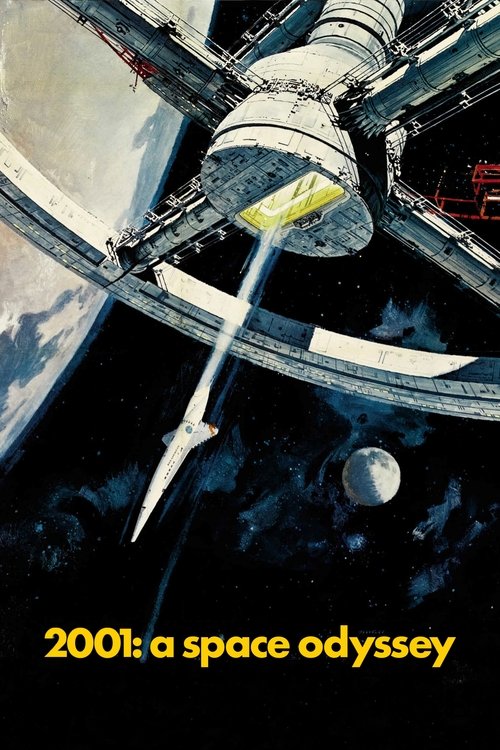
1. 2001: A Space Odyssey
A film that redefined cinematic scope and philosophical inquiry in science fiction. It's less a story and more an experience, a meditation on evolution, artificial intelligence, and humanity's place in the cosmos. Kubrick's meticulous craft, combined with groundbreaking visual effects and an elliptical narrative, forced audiences to engage intellectually, proving that sci-fi could be profound art rather than mere pulp. Its influence remains immeasurable, challenging filmmakers to think bigger.

2. Blade Runner
This film solidified cyberpunk as a viable, influential aesthetic, painting a rain-soaked, neon-drenched dystopia where humanity's definition blurs. Scott masterfully built a world both beautiful and decaying, questioning identity, memory, and what it means to be alive through the replicants' desperate struggle for existence. It wasn't just a vision of the future; it was a complex, melancholic noir that invited endless interpretation and set the standard for atmospheric world-building.

3. Primer
A micro-budget triumph that proved complexity trumps spectacle. Shane Carruth's debut is a dense, cerebral puzzle box about accidental time travel, focusing on the ethical and logical paradoxes rather than grand adventure. Its deliberately opaque narrative demands multiple viewings and active engagement, eschewing conventional exposition for a raw, intellectual challenge. It redefined what independent science fiction could achieve, emphasizing ingenuity over budget.

4. Arrival
Denis Villeneuve's film demonstrated that science fiction could be profoundly emotional and intellectually rigorous without relying on explosions. It reframed alien contact as a linguistic and philosophical challenge, exploring communication, non-linear time, and grief. The narrative's elegant structure and Amy Adams's nuanced performance grounded its grand concepts in deeply personal stakes, proving that spectacle could reside in profound ideas and quiet introspection, profoundly moving audiences.
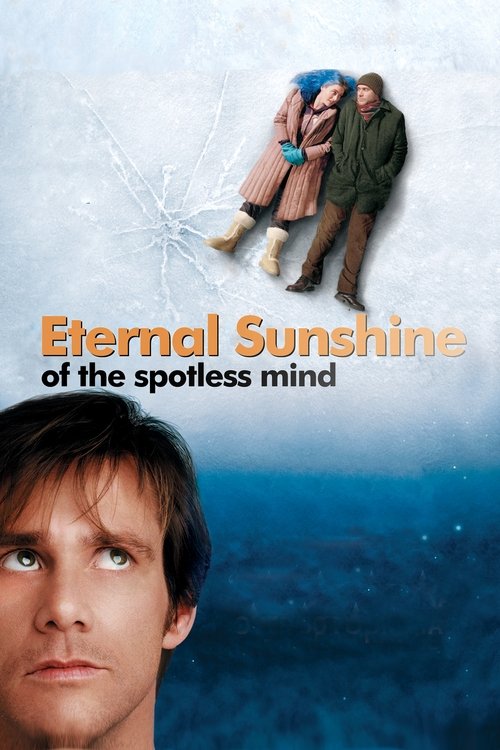
5. Eternal Sunshine of the Spotless Mind
A brilliant fusion of romance and sci-fi, Michel Gondry and Charlie Kaufman's collaboration explored the messy, beautiful reality of human relationships through a fantastical lens. It used memory erasure not as a plot device for action, but as a deeply personal, psychological landscape to navigate love, regret, and identity. The film's non-linear, dreamlike structure and profound emotional honesty redefined the boundaries of what sci-fi could explore, proving it could be a vehicle for intimate drama.
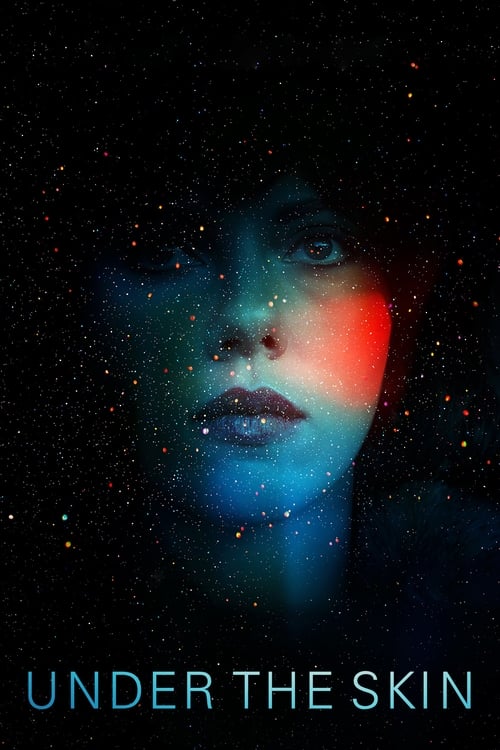
6. Under the Skin
A chilling, experimental masterpiece that stripped away conventional narrative for a raw, sensory experience. Jonathan Glazer's film uses its sci-fi premise of an alien predator in human form to comment on isolation, desire, and the objectification of the body. Scarlett Johansson's unsettling performance and Mica Levi's haunting score create an atmosphere of dread and profound otherness, forcing viewers to confront uncomfortable truths about humanity through an outsider's gaze. It redefined horror and sci-fi's potential for art house exploration.
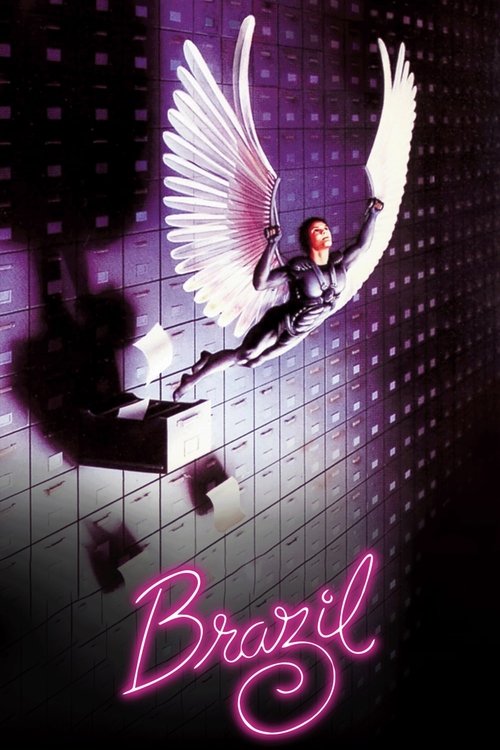
7. Brazil
Terry Gilliam's dystopian satire is a surreal, bureaucratic nightmare that marries Orwellian themes with darkly comedic absurdity. It's a visually inventive, chaotic critique of totalitarianism and consumerism, presented with audacious production design and a frantic, dreamlike logic. The film's relentless imagination and tragicomic tone broke cinematic conventions, showcasing how science fiction could serve as a potent, if bizarre, vehicle for social commentary and an indictment of dehumanizing systems.