

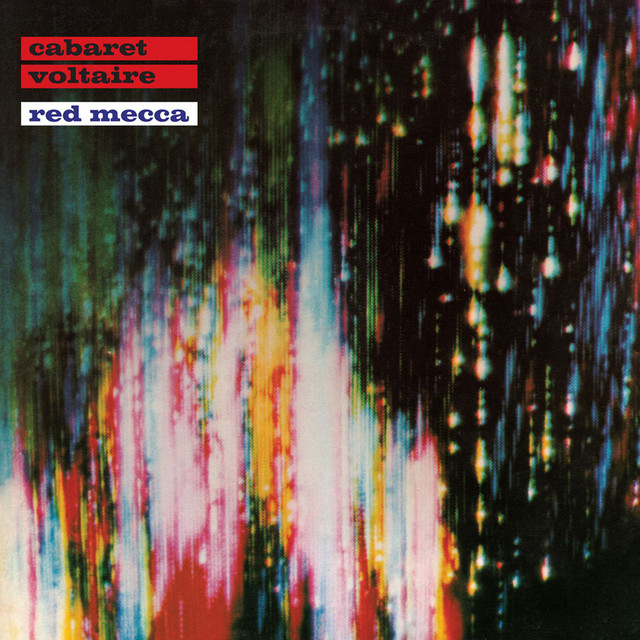
1. Red Mecca
Cabaret Voltaire's 1981 statement, "Red Mecca," is a masterclass in sonic brutalism. Its grooves are built from tape loops and harsh electronic textures, eschewing the pristine for something genuinely unsettling. The pre-MIDI rhythmic precision, crafted through sheer analogue grit, laid blueprints for industrial and darkwave, proving how much menace could be conjured from a Sheffield studio without a single digital byte. It's an unnerving listen, utterly vital.

2. Seeing Through Sound (Pentimento Volume Two)
"Seeing Through Sound (Pentimento Volume Two)" feels like a lost gem from the deeper recesses of ambient experimentation, perhaps a cassette-only release from some obscure European collective circa '86. Its title suggests a layered sonic archaeology, peeling back auditory textures to reveal hidden rhythmic structures or spectral synth washes. The pre-digital limitations would have forced inventive manipulation of analogue sources, crafting a truly introspective, perhaps unsettling, soundscape.

3. Sextant
Herbie Hancock's 1973 "Sextant" remains a masterclass in jazz-fusion's outer reaches. The album's dense, exploratory grooves, powered by early ARP and Moog synthesizers, showcase a deep understanding of electronic sound design long before digital clarity. Its rhythmic excursions and abstract textures were meticulously crafted in a studio environment where tape edits and analogue signal paths defined the sonic frontier, pushing boundaries few others dared to approach.
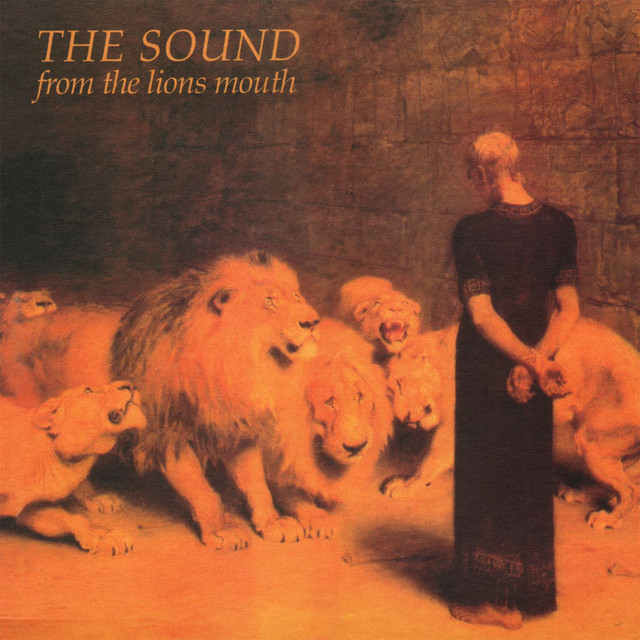
4. From The Lion's Mouth
The Alarm's 1981 debut, "From The Lion's Mouth," captured that fervent post-punk spirit with an anthemic urgency. There's a raw, almost desperate energy in its guitar-driven melodies and Mike Peters’ impassioned vocals. Recorded when studios still felt like instrument extensions, not digital workstations, the production retains a vital, unpolished edge. It's a testament to how authentic conviction, amplified by proper mic placement, could resonate so powerfully.
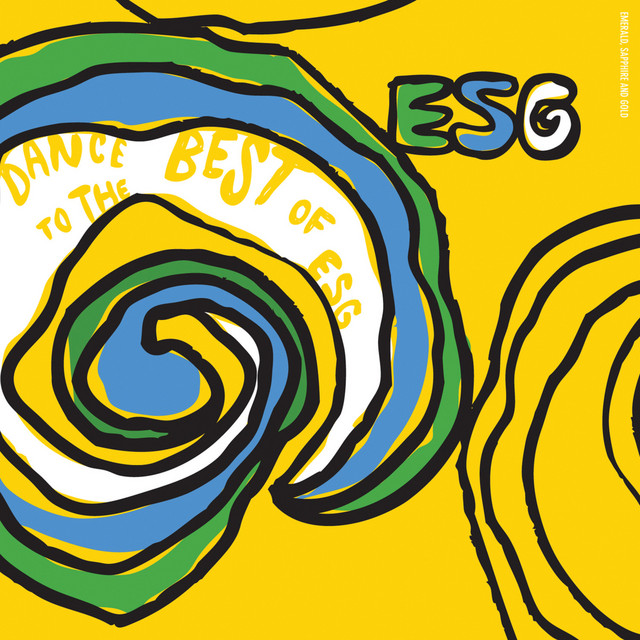
5. Dance to the Best of ESG
"Dance to the Best of ESG" compiles essential tracks from a group that defined minimalist groove. Their early '80s output, born from the raw energy of New York's downtown scene, stripped funk down to its bare, hypnotic essentials: propulsive basslines, sharp drums, and sparse vocals. The pre-digital studio ensured every snare hit and percussive clatter possessed a tangible, physical presence. It's rhythm as architecture, pure and unadulterated.
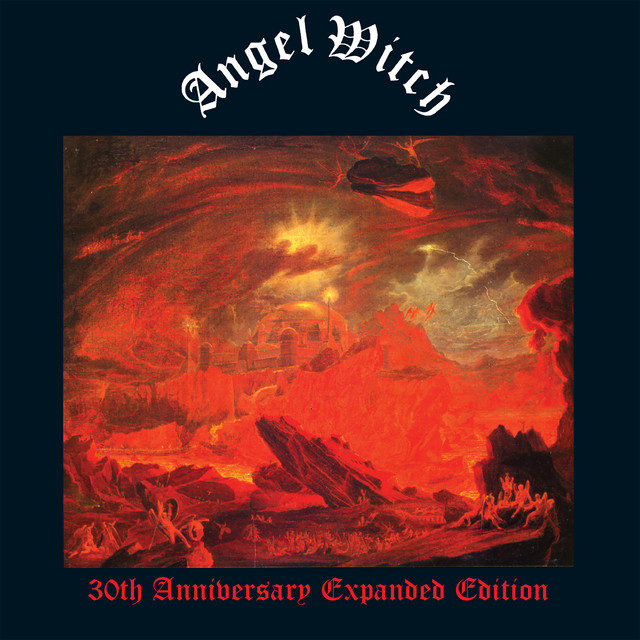
6. Angel Witch (30th Anniversary Edition)
Angel Witch’s self-titled 1980 debut was a cornerstone of the New Wave of British Heavy Metal, its dark occult themes and driving riffs instantly iconic. The original analogue recordings captured a raw, almost menacing power; the twin-guitar attack and Kevin Heybourne’s distinctive vocals felt forged in a pre-digital crucible. To think a "30th Anniversary Edition" exists simply underscores the enduring, visceral impact this pure metal masterpiece has maintained across the decades.
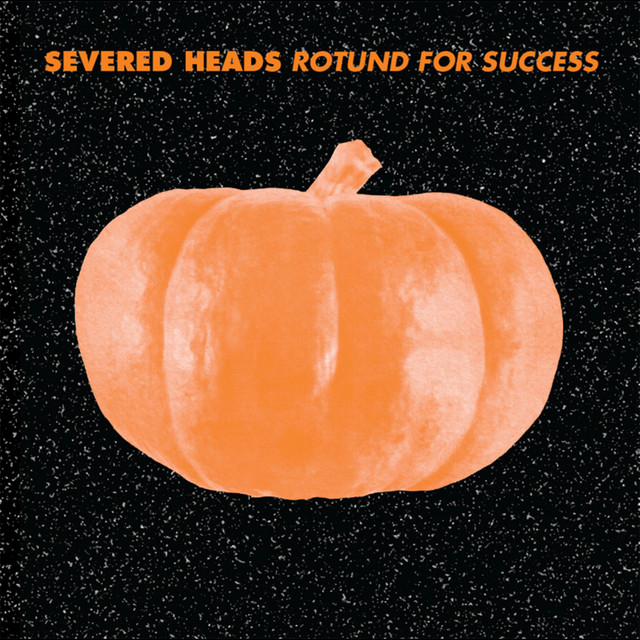
7. Rotund for Success
The Clean's 1990 "Rotund for Success" perfected their brand of understated, jangling indie rock. This album, arriving just as the digital wave threatened to sterilize everything, retained a charmingly raw, almost home-recorded feel. Its melodic hooks, deceptively simple guitar lines, and straightforward rhythm section felt like a breath of fresh air. It's a testament to how potent songwriting and genuine analogue warmth could still triumph over burgeoning studio complexity.