

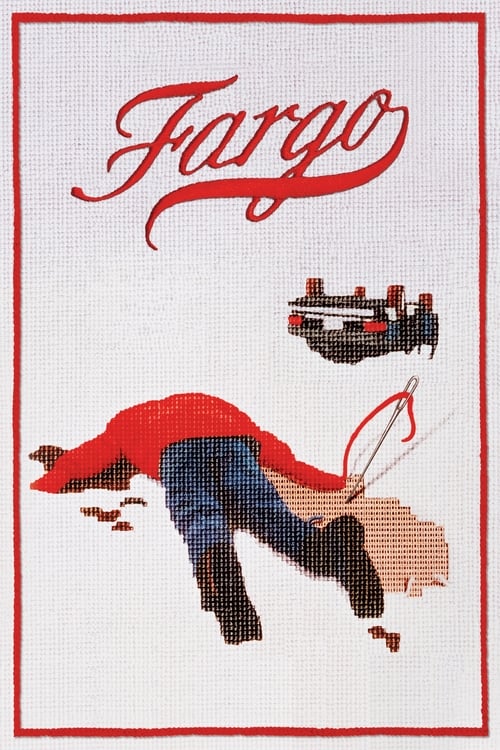
1. Fargo
The Coen Brothers masterfully blend bleak humor with stark Midwestern violence in this quintessential winter crime narrative. Its snow-dusted landscapes are not merely a backdrop but an essential character, emphasizing the isolation and desperation of its flawed inhabitants. And so, the film becomes a profound, albeit darkly comic, meditation on human fallibility and the absurdities of small-town life, where ordinary people commit extraordinary acts. It's a true neo-noir masterpiece.
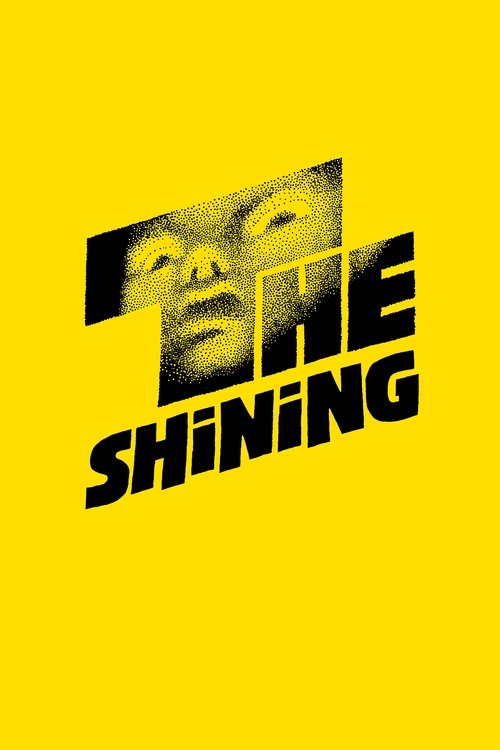
2. The Shining
Stanley Kubrick’s chilling descent into madness at the isolated Overlook Hotel remains a benchmark for psychological horror. The snow-bound setting amplifies a pervasive sense of entrapment, forcing the audience to confront Jack Torrance's unraveling sanity against the oppressive grandeur of the architecture. Indeed, it is a meticulously crafted study of fear, isolation, and the uncanny, where the environment itself seems malevolent, an active participant in the terror.

3. Doctor Zhivago
David Lean’s sweeping historical epic uses the vast, unforgiving Russian winter as a powerful metaphor for the tumultuous societal changes of the early 20th century. Amidst blizzards and revolutions, the tragic romance between Yuri and Lara unfolds, reflecting both personal yearning and national upheaval. Truly, it is a grand cinematic canvas, showcasing an auteur's vision of love, loss, and survival against an epic, frozen backdrop that feels as much a character as any human.
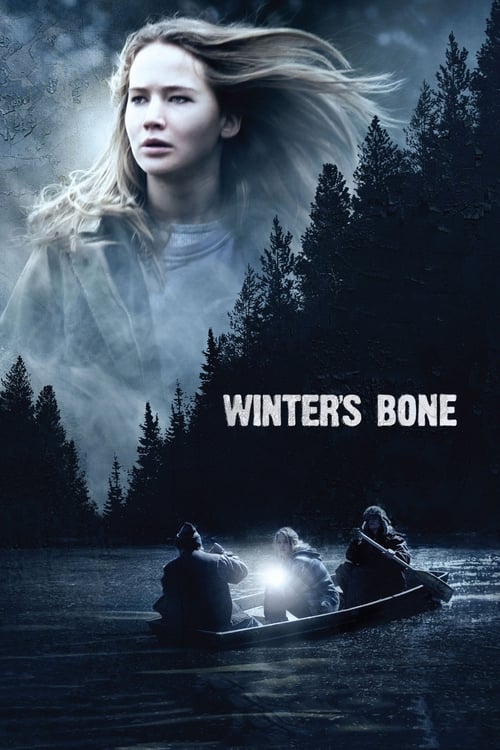
4. Winter's Bone
Debra Granik’s austere, independent drama plunges audiences into the harsh, impoverished world of the Ozarks, where the biting winter landscape mirrors the protagonist Ree Dolly's relentless struggle. This film, a masterclass in realist filmmaking, foregrounds survival and fierce familial loyalty. And so, it offers a stark, unflinching portrait of a community often unseen, where the cold penetrates not just the bones, but the very soul, demanding a raw resilience.

5. Edward Scissorhands
Tim Burton’s modern fairy tale, cloaked in gothic whimsy and suburban pastel, uses winter as a potent symbol of Edward’s unique artistry and poignant isolation. His ability to create snow becomes a beautiful, yet tragic, expression of his inability to fully belong in the conventional world. It is, therefore, a deeply melancholic meditation on otherness and acceptance, framed by a snow-kissed, artificial world and a heartfelt, enduring magic.
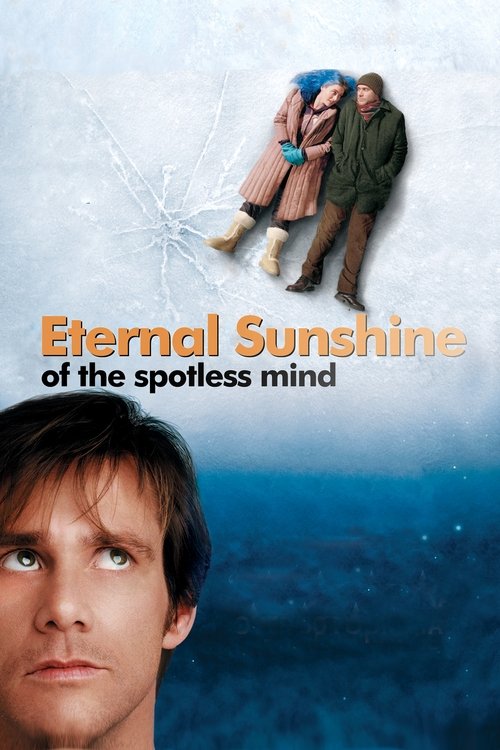
6. Eternal Sunshine of the Spotless Mind
Michel Gondry and Charlie Kaufman orchestrate a non-linear, winter-set exploration of memory, love, and regret. The icy landscapes of Montauk serve as a stark, beautiful counterpoint to the characters' internal turmoil, as they navigate the painful process of erasing and rediscovering their past. Indeed, it’s a profoundly inventive and emotionally resonant work, questioning the very essence of human connection and the indelible marks left by love.
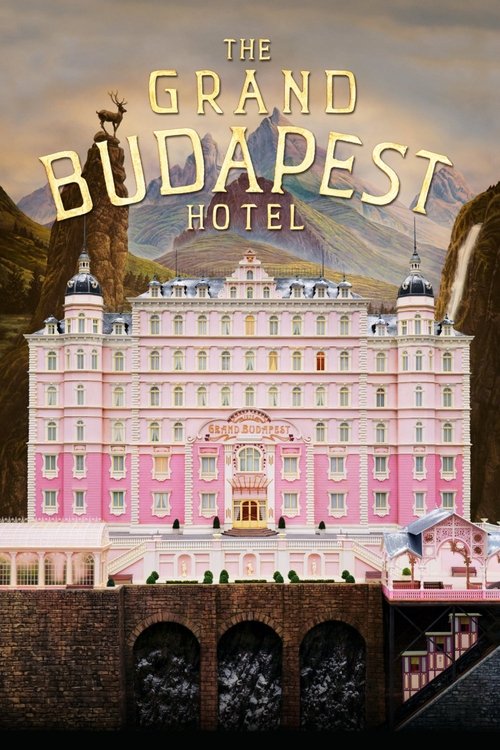
7. The Grand Budapest Hotel
Wes Anderson's meticulously framed caper unfolds in the snow-capped mountains of an imagined European principality, blending whimsical charm with an underlying melancholic reflection on a fading era. The winter setting adds to its fairy-tale quality, yet underscores the precariousness of its characters and their world, a beautiful but vanishing dream. And so, it stands as a testament to Anderson's unique visual language and his affectionate, complex storytelling.