

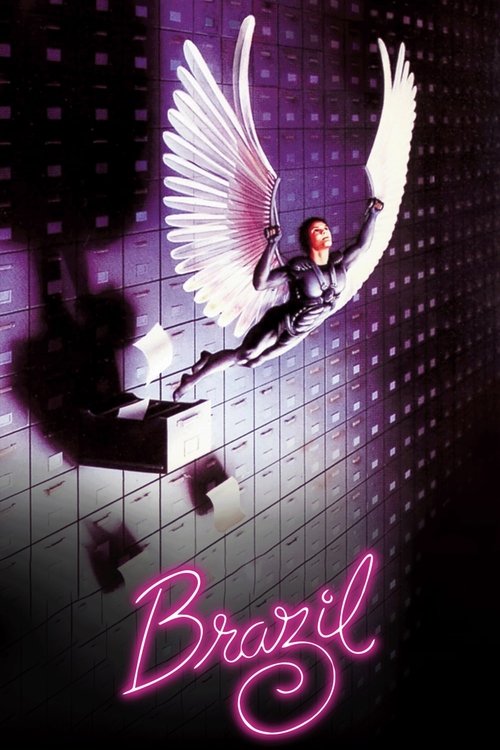
1. Brazil
Terry Gilliam's dystopian masterpiece, *Brazil*, is a bureaucratic nightmare wrapped in surrealist splendor. It skewers consumerism and governmental overreach with a darkly comedic touch, where dreams offer the only escape from a suffocating reality. The film's audacious production design and haunting score create an indelible, oppressive world. It’s a poignant, often frustrating, yet ultimately liberating watch, culminating in an ending that remains a profound statement on freedom and delusion.
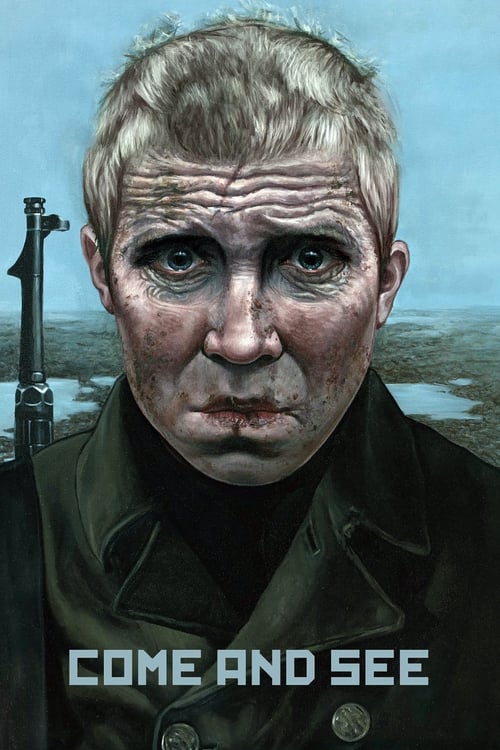
2. Come and See
Elem Klimov's *Come and See* is less a conventional war film and more a visceral, unflinching descent into psychological trauma. Seen through the eyes of a young Belarusian boy, Flyora, it depicts the Eastern Front's atrocities with horrifying realism. The disorienting sound design and the protagonist's rapid physical and mental decay create an experience of pure, unadulterated terror. It's a harrowing, unforgettable testament to human suffering, leaving an indelible mark long after the credits roll.

3. Possession
Andrzej Żuławski's *Possession* is an utterly unhinged, yet deeply compelling, exploration of marital breakdown. Isabelle Adjani and Sam Neill deliver performances of raw, guttural intensity, pushing boundaries of human emotion and physical transformation. It’s a fever dream of infidelity, paranoia, and something monstrous festering beneath the surface. This isn't merely horror; it's an operatic, psychological maelstrom that defies easy categorization, leaving viewers both disturbed and strangely mesmerized by its unique, aggressive despair.
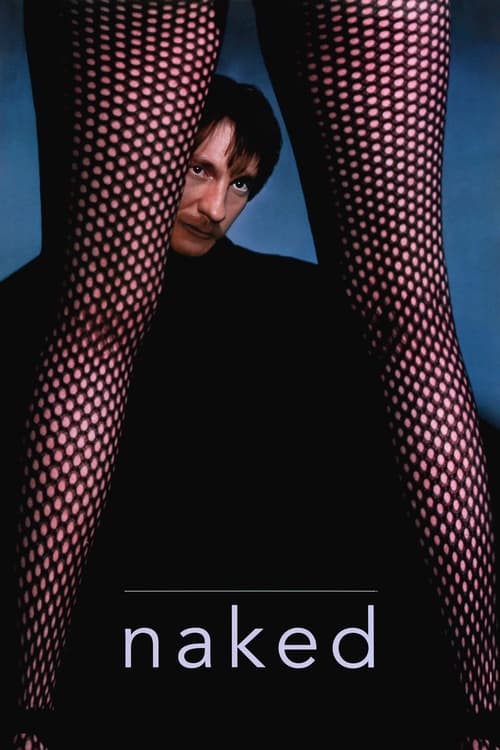
4. Naked
Mike Leigh's *Naked* is a scathing, often uncomfortable, portrait of intellectual disaffection and despair in 1990s London. David Thewlis's Johnny is a verbose, misogynistic philosopher-drifter, whose cynical monologues peel back layers of societal rot and personal angst. It’s brutal, uncompromising, and relentlessly bleak, yet undeniably brilliant in its raw depiction of alienation. The film challenges its audience, forcing a confrontation with the uncomfortable truths of human nature and urban decay, making it a powerful, if difficult, watch.

5. Primer
Shane Carruth's *Primer* is a masterclass in minimalist science fiction and complex narrative. Shot on a shoestring budget, it delves into the intricacies of accidental time travel with astonishing intellectual rigor, demanding absolute attention. The film doesn't spoon-feed explanations; it immerses you in its dense, interlocking paradoxes, forcing active engagement. It's a puzzle box that richly rewards rewatches, a testament to what ingenuity and a brilliant script can achieve without relying on conventional spectacle or easy answers.
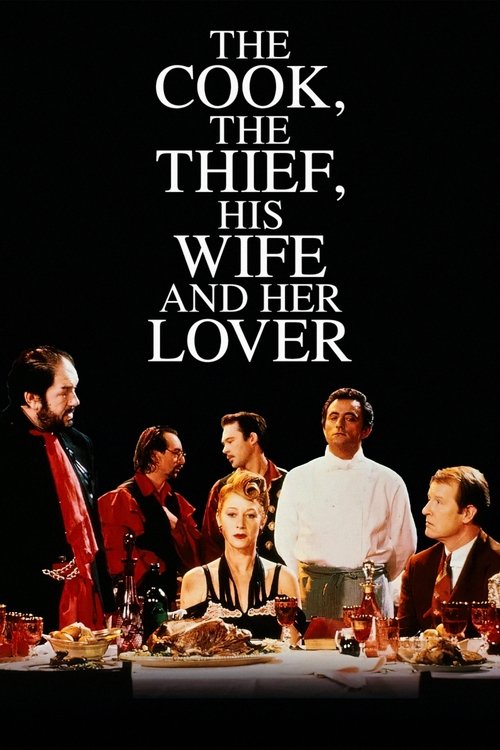
6. The Cook, the Thief, His Wife & Her Lover
Peter Greenaway's *The Cook, the Thief, His Wife & Her Lover* is a visually opulent, savagely allegorical indictment of greed and barbarism. The film's sumptuous cinematography, striking color palette, and elaborate costumes starkly contrast with its brutal, visceral narrative of power, lust, and revenge. It’s an operatic, disturbing feast for the eyes and a challenging provocation for the mind, culminating in a grotesque act of defiance that lingers long after the final, chilling image.
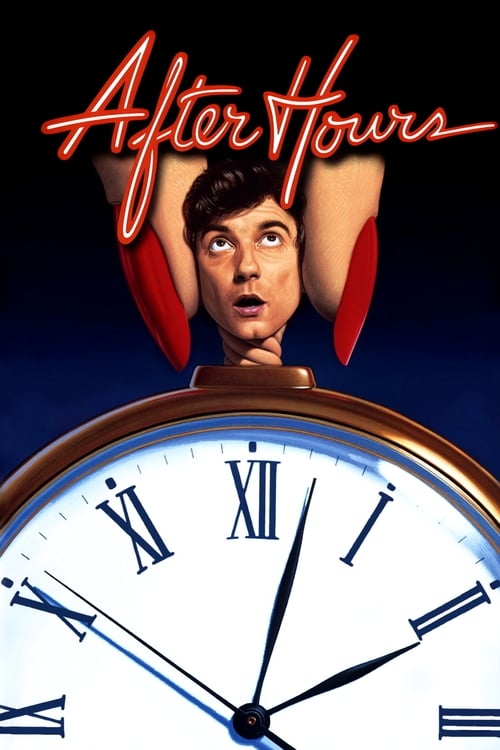
7. After Hours
Martin Scorsese's *After Hours* is a darkly comedic, anxiety-inducing odyssey through a single, increasingly bizarre night in SoHo. Paul Hackett’s desperate attempts to escape a series of escalating misfortunes trap him in a Kafkaesque nightmare of mistaken identities and hostile encounters. It’s a masterclass in building relentless paranoia and absurdism, showcasing Scorsese's versatility beyond his usual gangster epics. This film is a cult classic for its sheer, unrelenting, and hilariously dreadful descent into urban madness.