1 / 7
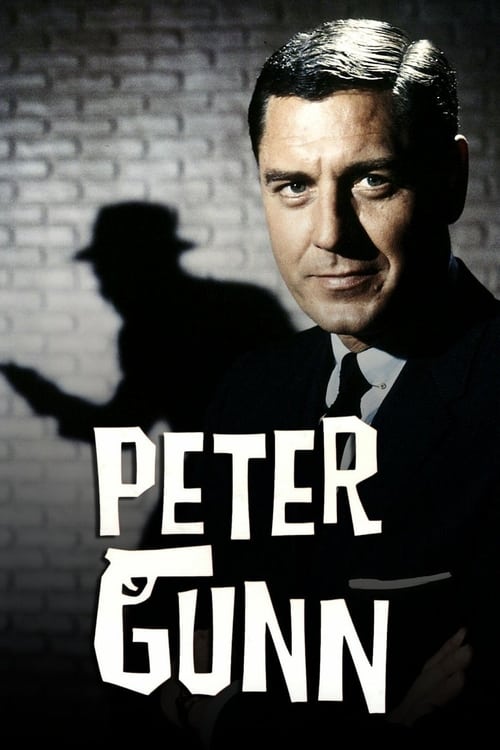
1. Peter Gunn
Henry Mancini's theme alone made this appointment viewing. Craig Stevens, all trench coat and cool, prowled those smoky back alleys, and Lola Albright added the torch song glamour. You could practically smell the dry ice and stale cigarettes. This was before color blurred the sharp edges, when a good mystery unfolded in shadows and saxophone wails. A real trendsetter for the private eye genre, and truly atmospheric.
2 / 7
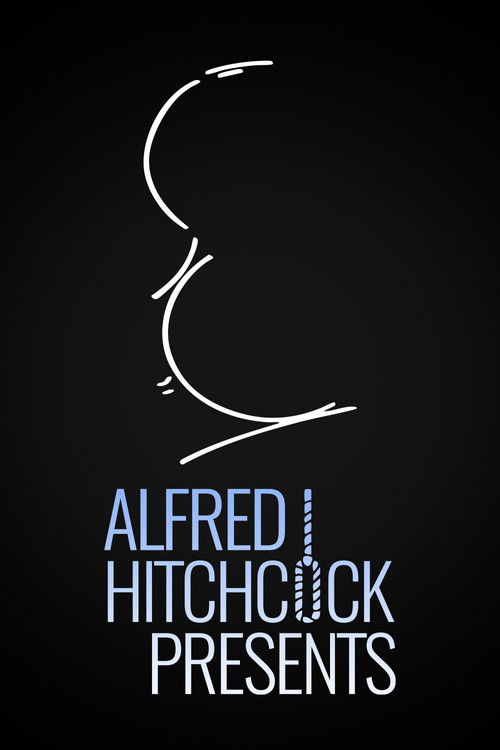
2. Alfred Hitchcock Presents
That silhouette, that droll voice – it was pure television magic. Each week, Mr. Hitchcock himself invited us into a world where ordinary folks found themselves in extraordinary, often grim, predicaments. The black-and-white cinematography heightened the tension, making every shadow a potential threat. And those clever, often chilling, little twists at the end? They kept you talking until next Sunday. A master class in short-form storytelling.
3 / 7
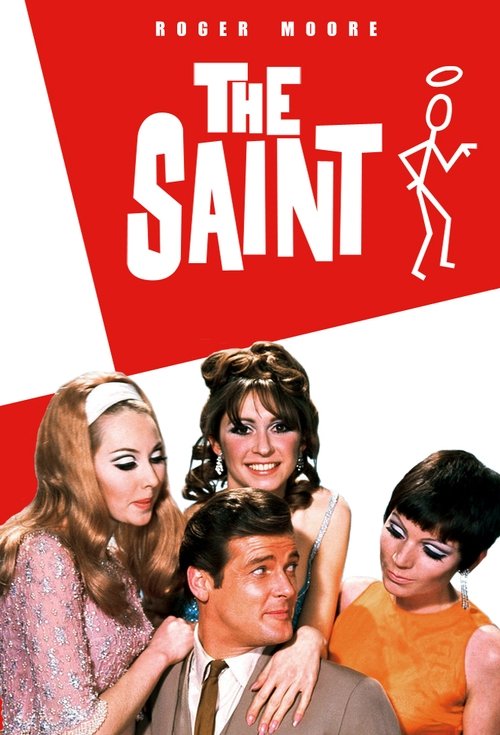
3. The Saint
Before he was 007, Roger Moore was Simon Templar, a debonair adventurer with a knowing wink. The early episodes, still in glorious black-and-white, had a certain crispness, a classic globetrotting charm. He always got the girl, always outsmarted the villain, and always looked impeccable doing it. It felt like a grown-up comic book, but with more sophisticated dialogue. A delightful escape for an hour, full of espionage and adventure.
4 / 7
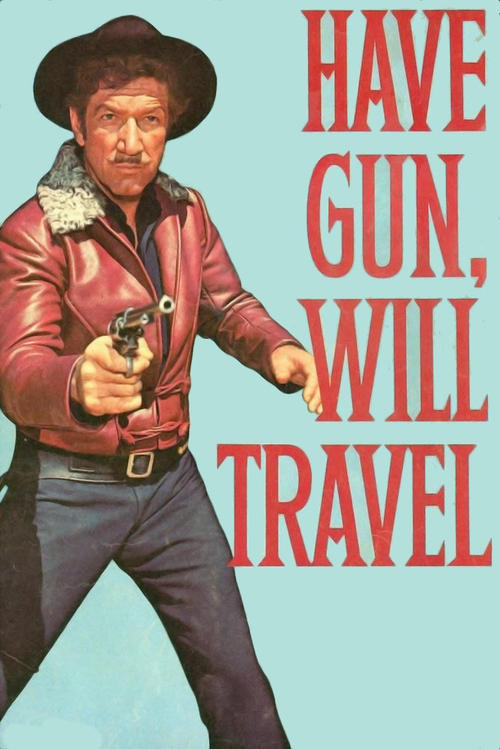
4. Have Gun, Will Travel
Paladin, now there was a different kind of cowboy. Richard Boone brought a gravitas to the role, a man of letters who could still draw faster than anyone. He wasn't your typical dusty frontiersman; he was an educated problem-solver in the wild west. The black-and-white photography lent a certain stark poetry to the vast landscapes and moral dilemmas. It was an intelligent Western, offering more than just shoot-em-up action each week.
5 / 7

5. The Many Loves of Dobie Gillis
Ah, Dobie. This was television's first real dive into teenage angst, long before the term was even fashionable. Dwayne Hickman as Dobie, always chasing girls, and Bob Denver as Maynard G. Krebs, the beatnik sidekick with his "Work?!" phobia. It had a quirky, fourth-wall-breaking charm, and the black-and-white gave it that classic, slightly surreal sitcom feel. A genuine precursor to so many youth-oriented comedies that followed.
6 / 7
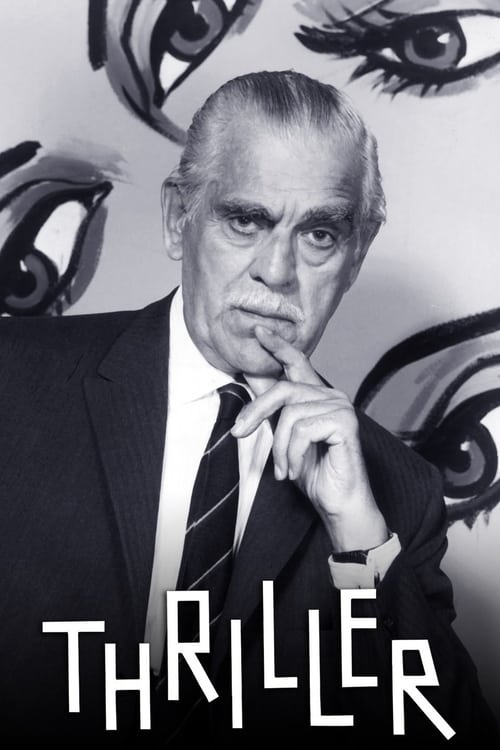
6. Thriller
While Hitchcock gave us suspense, Boris Karloff's "Thriller" delved into the genuinely macabre. Each week, Mr. Karloff introduced tales of the supernatural and the truly chilling. It often pushed the boundaries of what was acceptable on television then, with ghostly apparitions and psychological horrors. The atmosphere, often murky and oppressive in black-and-white, lingered long after the credits rolled. A bold step into TV terror.
7 / 7
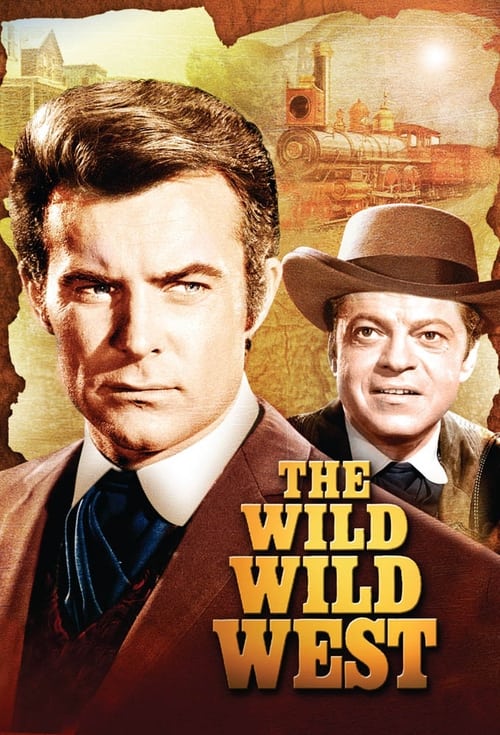
7. The Wild Wild West
Now this was something else entirely! A Western, yes, but with gadgets, spies, and a truly imaginative flair. Robert Conrad and Ross Martin played off each other wonderfully as secret agents in the Lincoln administration. It blurred the lines between adventure, science fiction, and comedy, all wrapped up in a period setting. The early color episodes really popped, showcasing those elaborate contraptions and wild villains. Pure, unadulterated fun.