
1 / 7
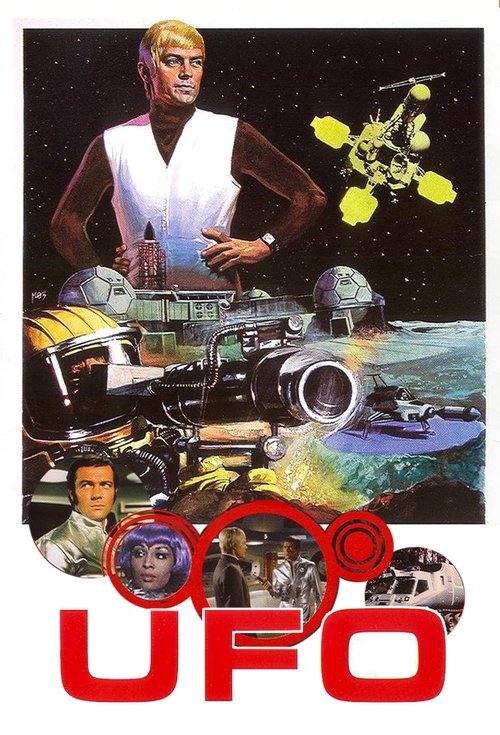
1. UFO
Forget green screens and digital wizardry. UFO was all miniature models, shimmering spacesuits, and those iconic purple wigs on the Moonbase girls. This thing was high-concept sci-fi, but with a palpable, tactile weirdness. Gerry Anderson knew how to craft a world from plastic and wires, making a future that felt grim, stylish, and utterly tangible. Before anyone dreamed of 'real' aliens on reality TV, this was the real deal, built from scratch.
2 / 7
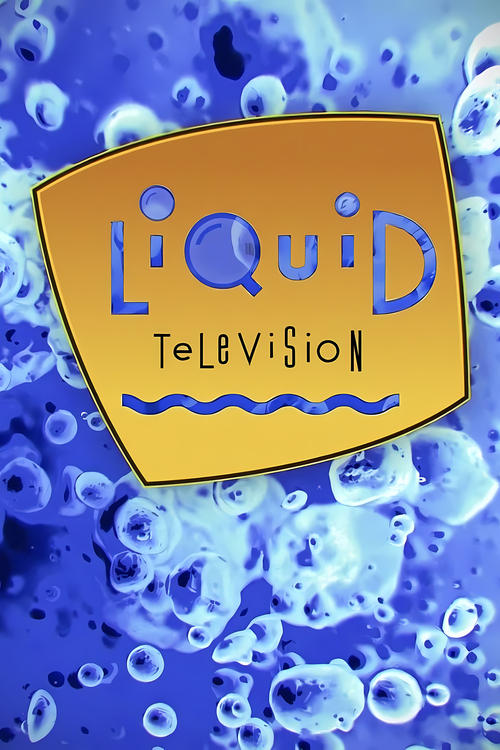
2. Liquid Television
MTV wasn't just music videos back then. Liquid Television was a glorious, chaotic mess of animation, short films, and whatever else they dug up. It was pure punk rock for your eyeballs, a kaleidoscope of styles that pushed boundaries and birthed legends like Beavis and Butt-Head. This wasn't polished Disney; it was raw, glitchy, and utterly fearless. Every segment was a surprise, a micro-dose of surreal genius that made network TV look utterly bland.
3 / 7
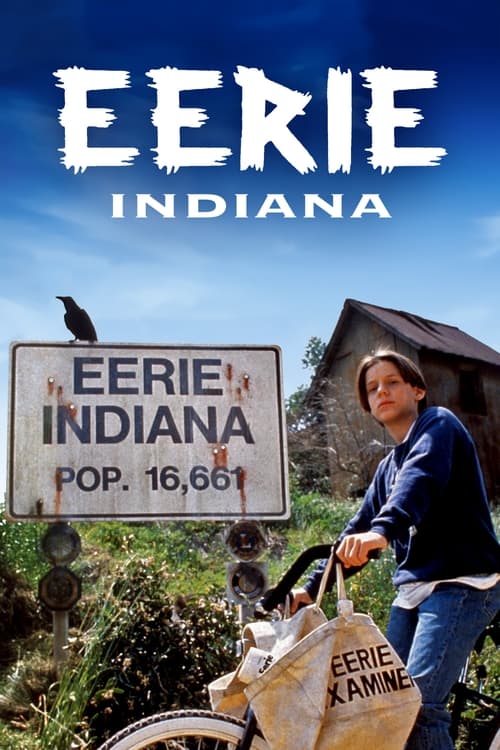
3. Eerie, Indiana
Eerie, Indiana was like if Twin Peaks had a weird, angsty kid brother who watched too much Twilight Zone. It took the whole 'small town with a dark secret' vibe and cranked it up to eleven, but for a younger crowd. Practical effects, genuinely creepy plots, and a sense of suburban dread mixed with actual humor. It never talked down to its audience, just invited them into a world where Elvis was still alive and Tupperware could trap souls. Totally bent.
4 / 7

4. Dark Shadows
Before every teen drama had a brooding vampire, there was Dark Shadows. This was a daily dose of gothic melodrama, a soap opera that embraced its supernatural elements with wild abandon. Barnabas Collins wasn't just a heartthrob; he was a tragic figure amidst wobbly sets and fog machines. It was campy, sure, but also genuinely groundbreaking, weaving intricate, often bonkers, tales of time travel, curses, and aristocratic angst. Peak analog weirdness.
5 / 7

5. The Adventures of Pete & Pete
Pete & Pete wasn't just a kids' show; it was a vibe. With its indie soundtrack, quirky narration, and genuinely surreal suburban antics, it felt like a band decided to make a TV show. Red hair, tattoos, endless summer, and existential kid problems. Every episode had a distinct, slightly off-kilter energy, embracing the oddity of childhood with a warm, nostalgic glow. It showed you the world through a slightly distorted, much more interesting lens.
6 / 7

6. VR.5
VR.5 was way ahead of its time, a cyberpunk fever dream about virtual reality that felt like a direct download from a forgotten BBS. It had that distinct mid-90s digital-analog aesthetic – green screen glitches, wireframe graphics, and a protagonist who could hack reality with a phone modem. Trippy, mind-bending, and criminally underappreciated, it explored the dark side of interconnectedness long before 'the metaverse' was a boardroom buzzword. Pure, unadulterated proto-cyberpunk.
7 / 7
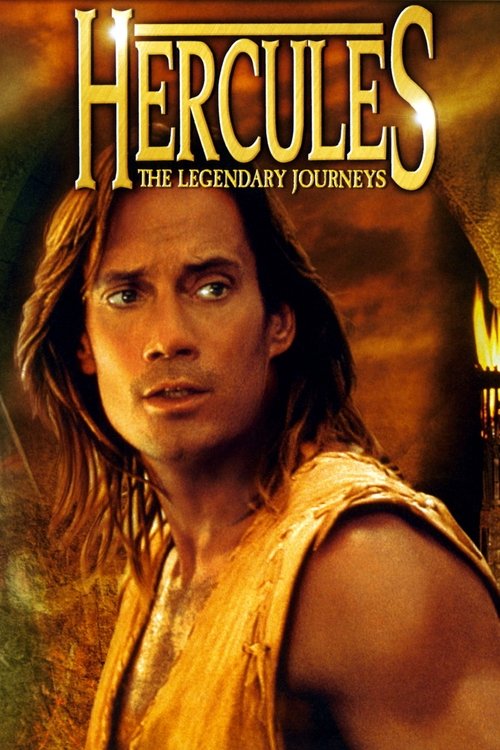
7. Hercules: The Legendary Journeys
Hercules was syndicated gold. You knew what you were getting: Kevin Sorbo flexing, dodgy green screen monsters, and a wink to the camera with every exaggerated sword swing. It wasn't high art, but it was pure, unadulterated escapism, mixing ancient myths with a modern, often goofy, sensibility. It built its own ridiculous universe, paved the way for Xena, and proved that a healthy dose of camp and charisma could conquer any budget limitation. Epic fun.