1 / 7

1. Pong (1972)
When Atari released Pong, it wasn't just a game; it was a phenomenon. Before it, arcades were pinball and shooting galleries. Pong, with its stark minimalism—two paddles, a ball, a line—proved electronic entertainment could captivate. It didn't need complex graphics or intricate rules. Its sheer existence as a digital, interactive experience redefined public amusement, laying the fundamental groundwork for an entire industry that few could have envisioned at the time. It was the blueprint for interactive digital media.
2 / 7
2. Space Invaders (1978)
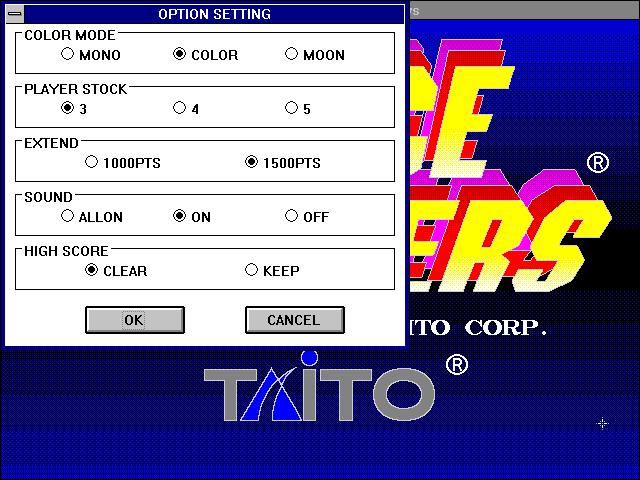
Taito’s Space Invaders launched a global arcade craze, transforming the landscape of public entertainment. Its relentless alien descent, coupled with an escalating, hypnotic soundtrack, created an unprecedented sense of urgency and addiction. This wasn't just about high scores; it tapped into a collective anxiety, cementing video games as a legitimate cultural force. It pioneered the concept of a 'last life' struggle and introduced a pervasive digital threat, ensuring arcades became social hubs.
3 / 7
3. Super Mario Bros.
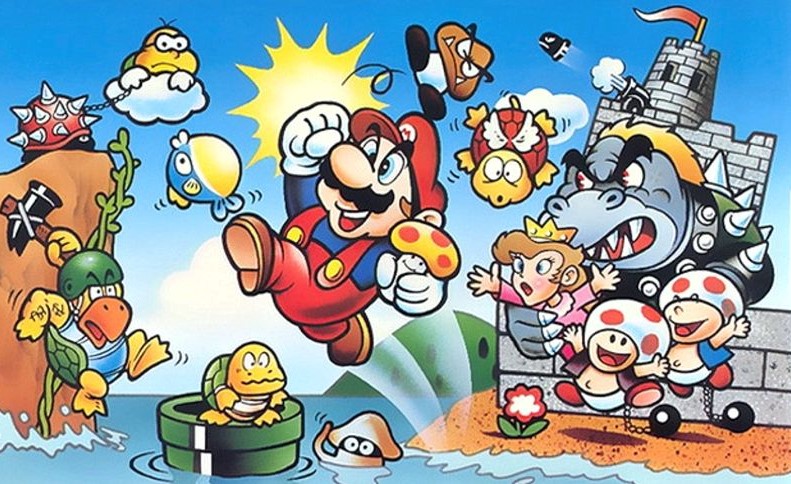
Super Mario Bros. didn't just popularize the platformer; it wrote the genre's bible. Nintendo, facing a skeptical market after the 1983 crash, delivered a masterclass in level design, intuitive controls, and pure joy. It introduced a vibrant, imaginative world that stretched beyond a single screen, offering secrets and progression. The game proved that interactive entertainment could offer depth and adventure, not just reflex tests, single-handedly revitalizing the home console market and setting new standards for character and world-building.
4 / 7

4. DOOM (2016)
In an era saturated with cover-based shooters and narrative-heavy campaigns, DOOM (2016) snarled and ripped its own path. id Software consciously shed contemporary conventions, embracing relentless, unapologetic aggression. It brought back the visceral thrill of movement, speed, and brutal glory kills, prioritizing pure combat flow over tactical retreats. This wasn't just a reboot; it was a defiant statement, proving that classic, arcade-style FPS design could still feel fresh, powerful, and utterly essential, reminding everyone what a true power fantasy felt like.
5 / 7
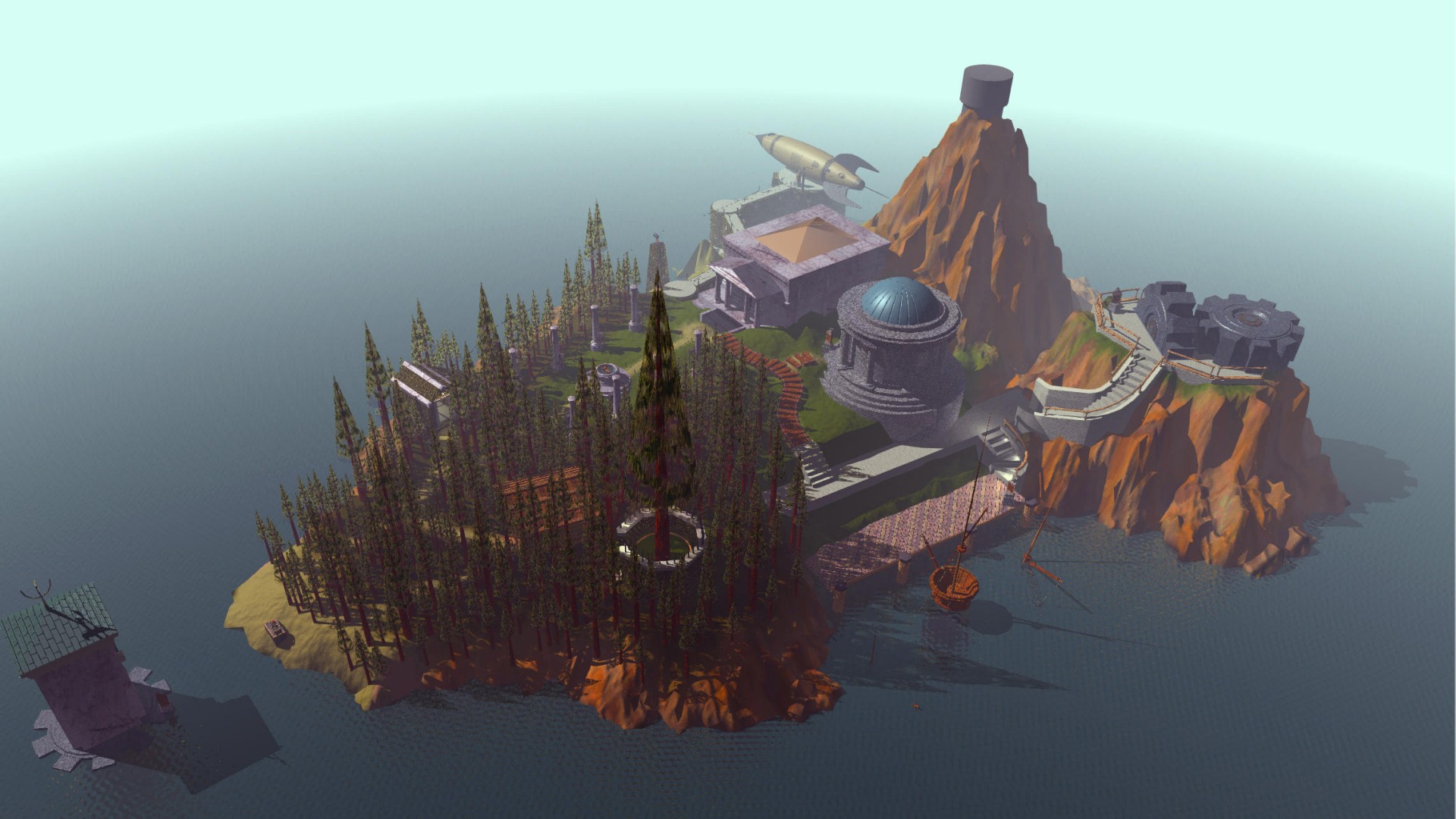
5. Myst
Myst arrived during the CD-ROM boom, but it refused to play by action game rules. Instead of combat, it offered solitude, intricate puzzles, and an atmospheric, rendered world begging for exploration. Its slow, contemplative pace and absence of traditional goals challenged players to think, not react. This revolutionary approach captivated millions, proving that games could be intellectual, artistic experiences. It ushered in an era where narrative and discovery could drive engagement, creating a genre that prioritized immersion over adrenaline.
6 / 7
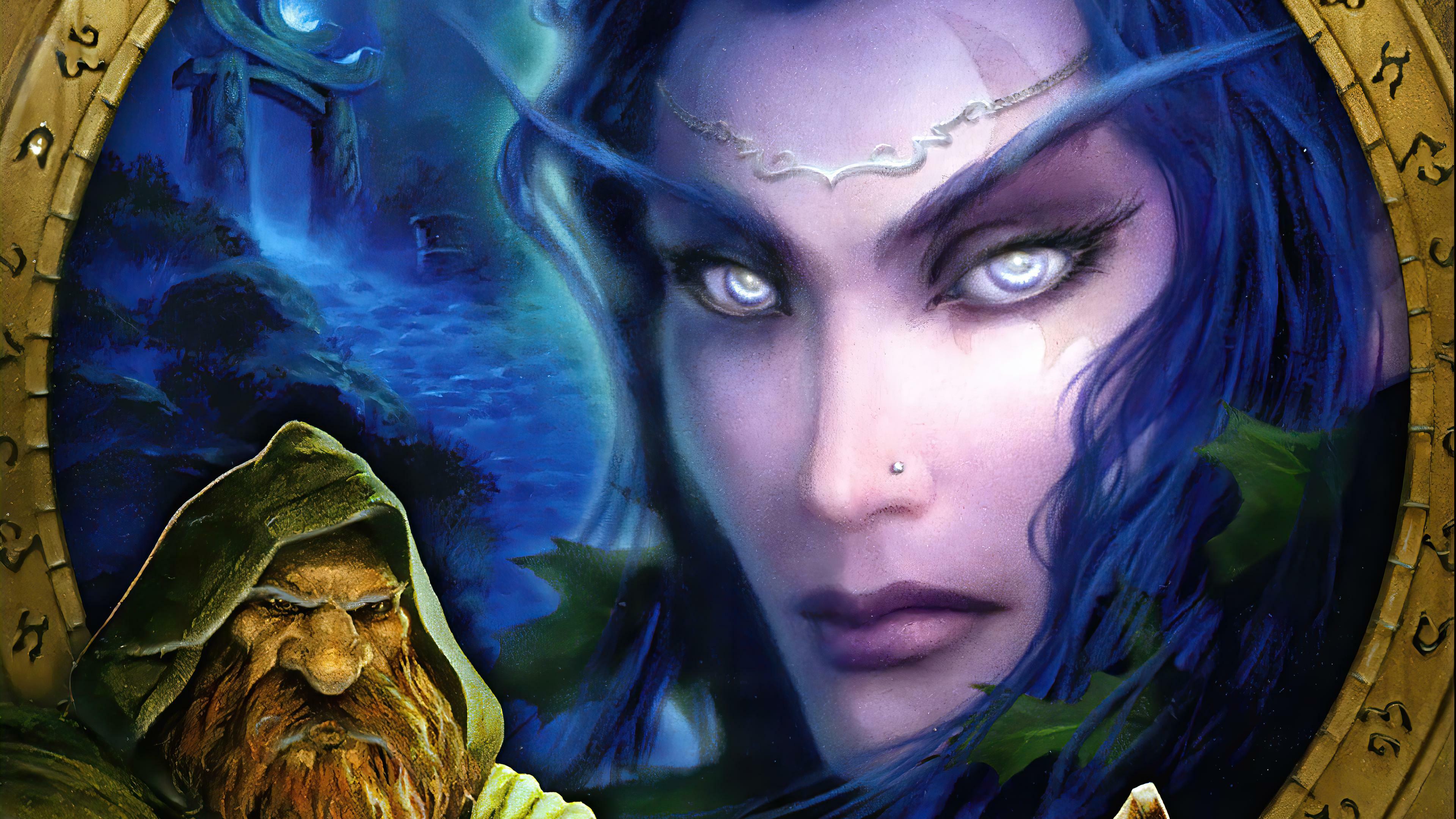
6. World of Warcraft
World of Warcraft didn't invent the MMORPG, but it perfected and popularized it to an unprecedented degree. Blizzard built a persistent, evolving world that millions inhabited concurrently, fostering communities and economies. Its accessible design broke down barriers, drawing in players beyond the traditional hardcore crowd. More than just a game, it became a lifestyle for many, demonstrating the profound social and cultural power of a shared digital space. It rewrote expectations for online interaction and long-term engagement.
7 / 7
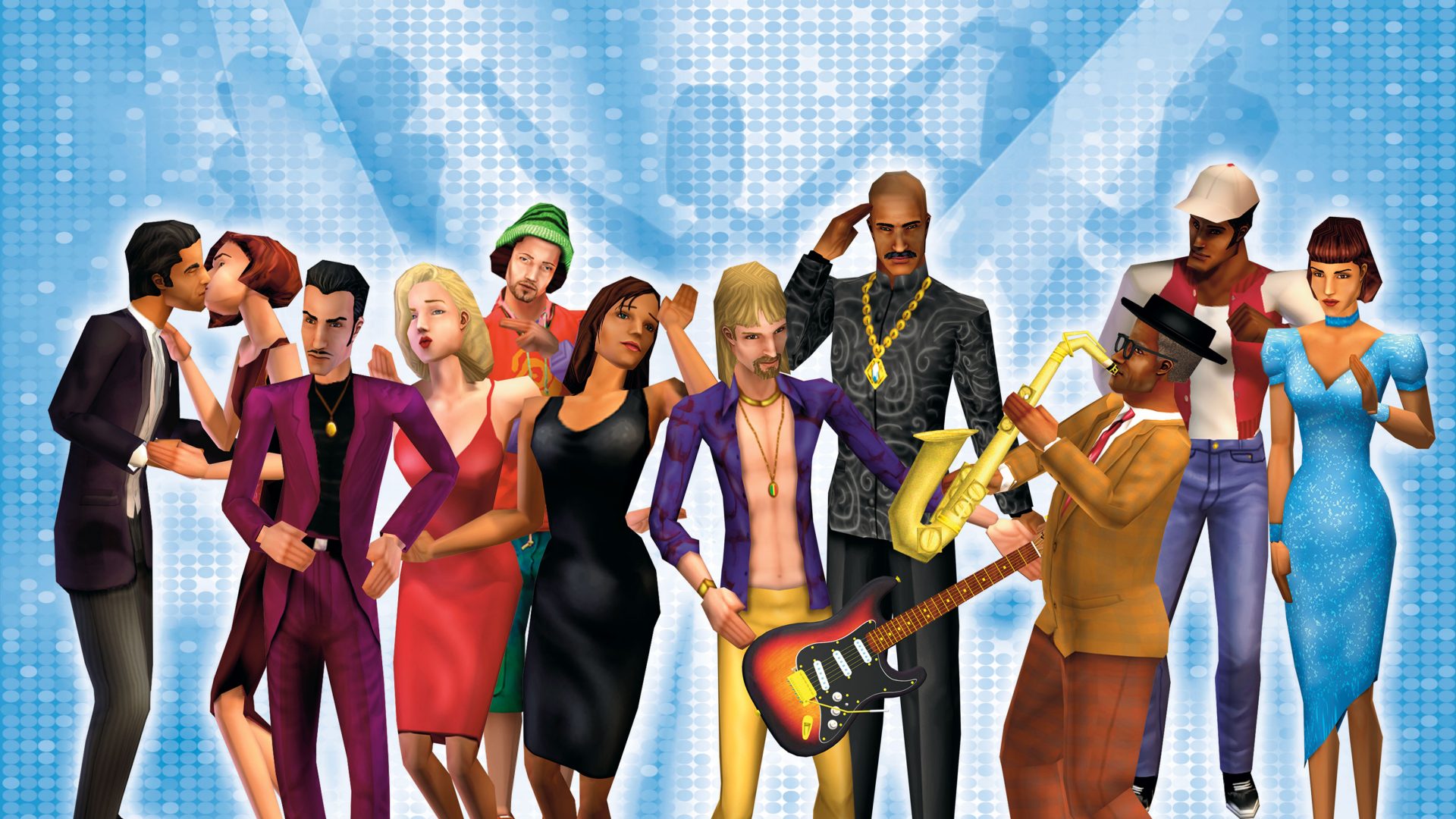
7. The Sims
Will Wright’s The Sims defied almost every gaming convention. There were no defined victory conditions, no epic quests, just the mundane, fascinating drama of virtual life. It empowered players to create stories, build homes, and manage relationships, essentially playing God with a suburban dollhouse. This sandbox approach, focusing on creativity and emergent narrative, captivated a massive, diverse audience, including many who never considered themselves 'gamers.' It proved that everyday life, when interactive, could be endlessly compelling.