

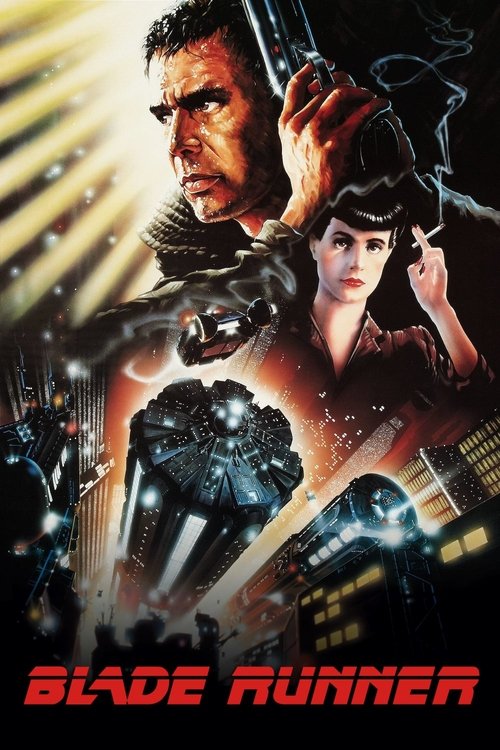
1. Blade Runner
Ridley Scott's 1982 neo-noir masterpiece redefined science fiction, blending dystopian aesthetics with profound philosophical questions about identity and artificiality. Its meticulous world-building and ambiguous narrative, exploring what it means to be human in a technologically advanced but morally decayed society, continue to resonate. The film’s influence on subsequent cyberpunk cinema and its enduring debate over Deckard's nature cement its place as a seminal work, challenging conventional cinematic storytelling and visual expectations.
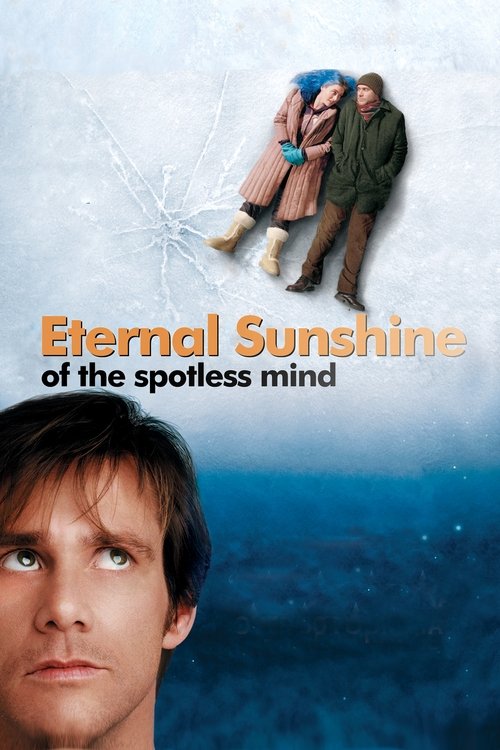
2. Eternal Sunshine of the Spotless Mind
Michel Gondry, guided by Charlie Kaufman's brilliant screenplay, crafts a deeply poignant and formally inventive exploration of memory, love, and loss. This film eschews linear narrative, instead delving into the fragmented nature of consciousness and the painful beauty of human connection. It posits that even erased memories leave an indelible mark, suggesting our experiences, however painful, fundamentally shape who we are. A true auteurist triumph that reshapes the romantic drama.

3. Parasite
Bong Joon-ho's Palme d'Or and Academy Award-winning thriller is a masterclass in genre-bending and social critique. It meticulously dissects class disparity and economic desperation through a darkly comedic yet ultimately tragic narrative. The film's precise direction, symbolic set design, and escalating tension expose the brutal realities of societal stratification, compelling audiences to confront uncomfortable truths about privilege and survival. Its global impact reflects a universal resonance in its sharply observed human drama.
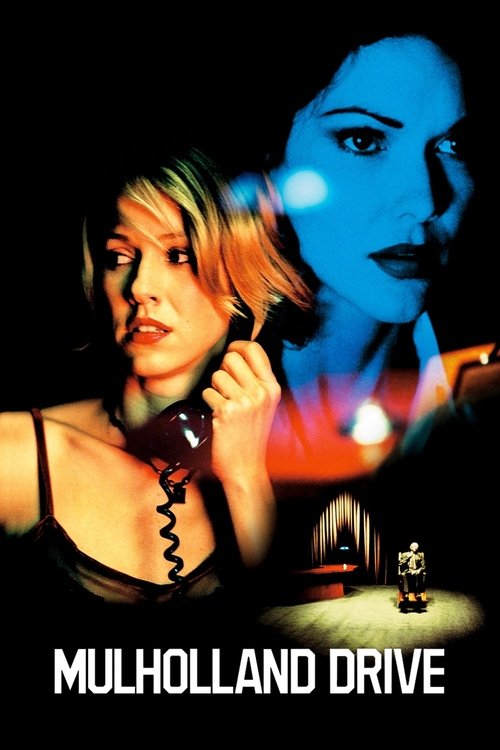
4. Mulholland Drive
David Lynch’s enigmatic vision plunges viewers into a dreamlike labyrinth of Hollywood ambition, identity, and despair. This neo-noir puzzle box defies easy interpretation, operating on an intuitive, emotional logic rather than strict narrative causality. Lynch’s masterful control of atmosphere, surreal imagery, and unsettling sound design creates an experience that lingers long after viewing, inviting endless re-examination. It fundamentally challenges how we perceive narrative structure and thematic coherence in cinema.

5. Stalker
Andrei Tarkovsky’s meditative science fiction film is less about plot and more about profound philosophical inquiry. Its slow, deliberate pace and painterly cinematography invite deep contemplation on faith, desire, and the human spirit's yearning for meaning. The journey into the mysterious 'Zone' becomes an allegory for inner exploration, demanding patience and introspection from its audience. It stands as a towering example of cinema as spiritual and intellectual quest, an art form transcending mere entertainment.

6. Before Sunrise
Richard Linklater’s minimalist romance offers an intimate, almost voyeuristic, glimpse into the spontaneous connection between two strangers. Through extended, naturalistic dialogue, the film explores burgeoning intimacy, philosophy, and the fleeting nature of moments. It eschews traditional dramatic arcs for a raw, authentic portrayal of human interaction, making the audience feel like a silent participant rather than a passive observer. This film profoundly influences how character-driven storytelling can unfold.

7. Arrival
Denis Villeneuve’s intelligent science fiction epic redefines the first contact narrative, focusing on language, communication, and the perception of time. It's a deeply emotional and cerebral journey, exploring grief, human connection, and the profound implications of understanding. Amy Adams’ nuanced performance anchors a story that prioritizes empathy and intellectual curiosity over spectacle. This film demonstrates sci-fi's potential for profound philosophical meditation and emotional resonance, pushing the genre's boundaries.