
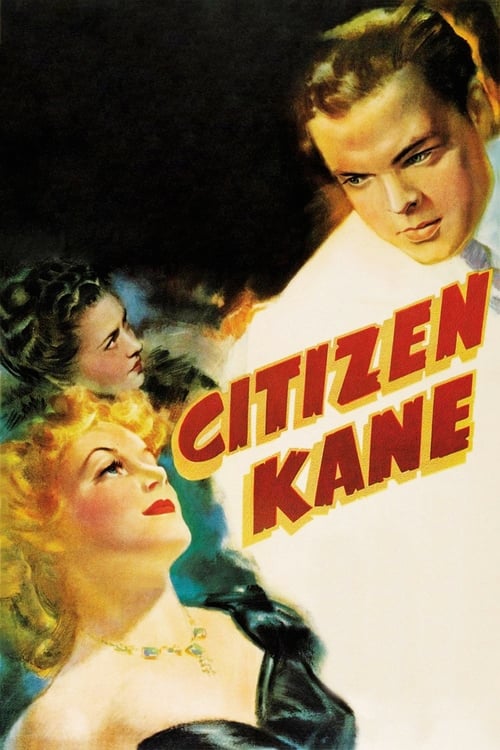
1. Citizen Kane
Orson Welles’ audacious debut redefined cinematic grammar, employing deep focus, non-linear storytelling, and innovative sound design to dissect the American dream. Its fragmented narrative, piecing together a colossal figure's life through subjective recollections, challenged audiences to question objective truth long before it became a commonplace trope. This film remains a masterclass in auteur vision, forever altering film’s expressive potential and proving a director’s singular voice could be a symphony.
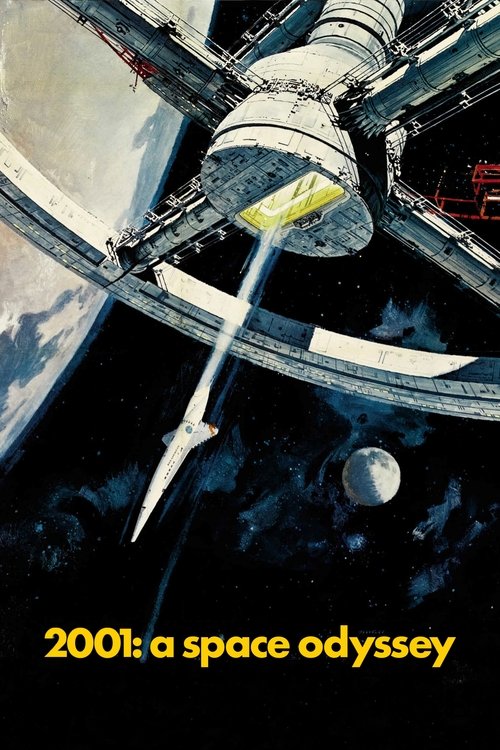
2. 2001: A Space Odyssey
Stanley Kubrick’s monumental vision transcends conventional storytelling, inviting viewers into a cosmic ballet of evolution and artificial intelligence. Its deliberate pacing, groundbreaking visual effects, and profound philosophical questions about humanity's place in the universe demand introspection rather than passive consumption. Far more than a science fiction film, it’s an experiential journey, a meditation on existence that still provokes awe and discussion decades later, a true cinematic monolith.
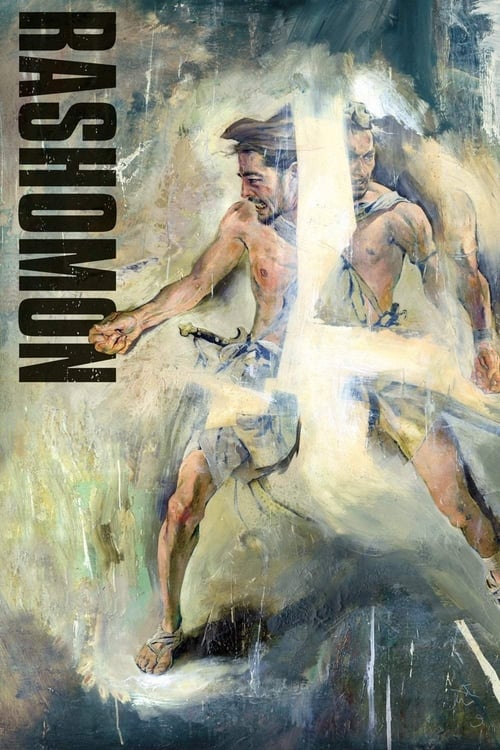
3. Rashomon
Akira Kurosawa’s masterpiece is a profound exploration of truth’s elusive nature, presenting a single event through conflicting perspectives. This revolutionary narrative structure, where each character’s subjective account contributes to a larger, unresolved reality, forever changed how filmmakers approached storytelling and character psychology. It’s a testament to cinema’s power to deconstruct perception, forcing us to confront the inherent bias in every narrative, a technique now famously known as the "Rashomon effect."
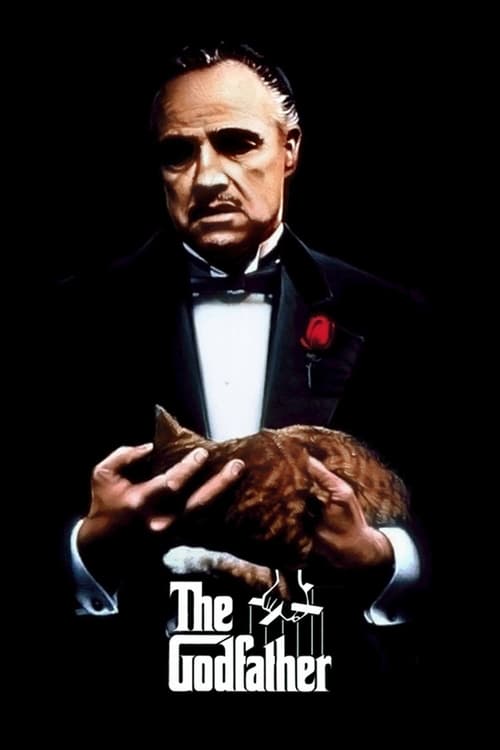
4. The Godfather
Francis Ford Coppola’s epic saga isn't merely a crime film; it's a Shakespearean tragedy dissecting the corrosive allure of power within the American family. Its meticulous direction, iconic performances, and profound exploration of moral compromises elevated the gangster genre into high art, reflecting societal structures through a deeply personal lens. The film’s pervasive influence on storytelling, character development, and genre conventions remains unparalleled, a benchmark for cinematic excellence.
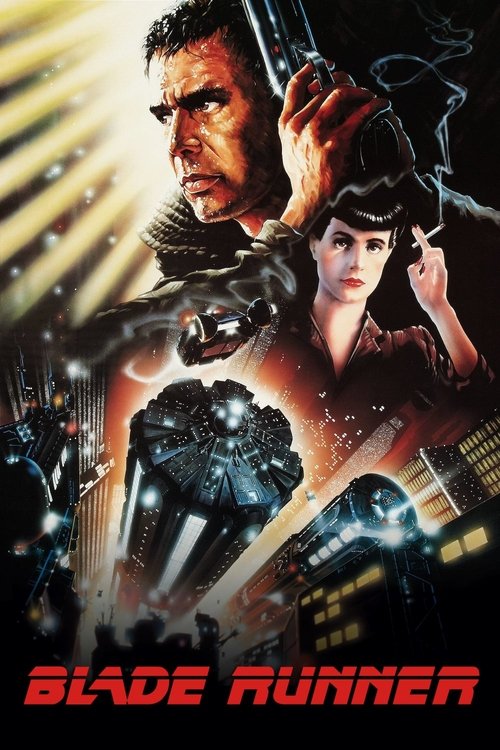
5. Blade Runner
Ridley Scott's neo-noir masterpiece forged the template for dystopian science fiction, crafting a visually stunning, rain-soaked future where humanity’s definition blurs. Its philosophical inquiry into artificial intelligence and what it means to be "human," set against a breathtaking, lived-in world, resonated deeply. The film’s pervasive atmosphere, intricate production design, and existential questions solidified its place as a groundbreaking work, influencing countless subsequent sci-fi narratives and cyberpunk aesthetics.
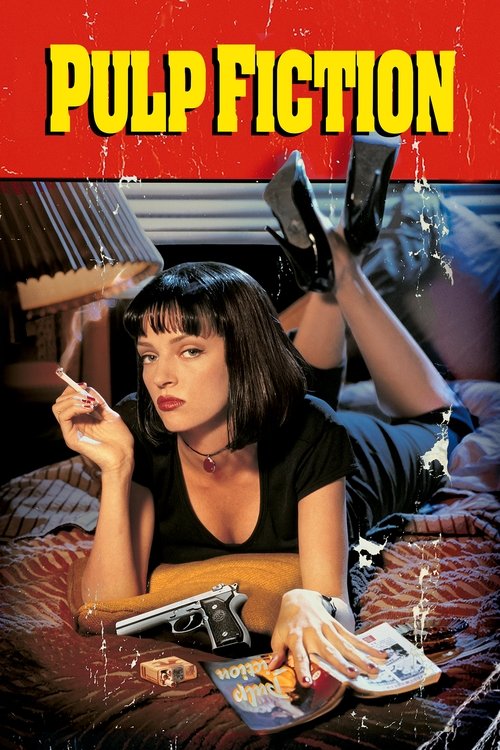
6. Pulp Fiction
Quentin Tarantino’s postmodern mosaic exploded onto screens, rearranging narrative conventions with its non-linear structure, witty, stylized dialogue, and audacious genre-bending. It’s a film that demands active engagement, playfully subverting expectations while weaving together disparate criminal vignettes into a cohesive, unforgettable tapestry. This work cemented Tarantino’s unique authorial voice, proving that audacious storytelling and pop culture pastiche could create something profoundly original and endlessly rewatchable.
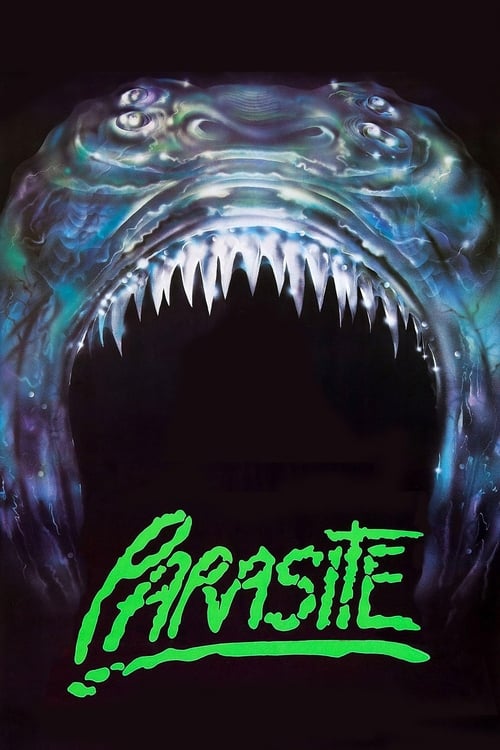
7. Parasite
Bong Joon-ho’s masterful genre-bender meticulously dissects class disparity with surgical precision, shifting tones from dark comedy to chilling thriller with effortless grace. Its intricate plot, brilliant performances, and sharp social commentary illuminate universal truths about wealth, poverty, and human dignity. Winning the Palme d'Or and Best Picture, it demonstrated cinema’s potent capacity to reflect pressing global issues through a uniquely engaging, profoundly unsettling, and deeply intelligent narrative.