
1 / 7
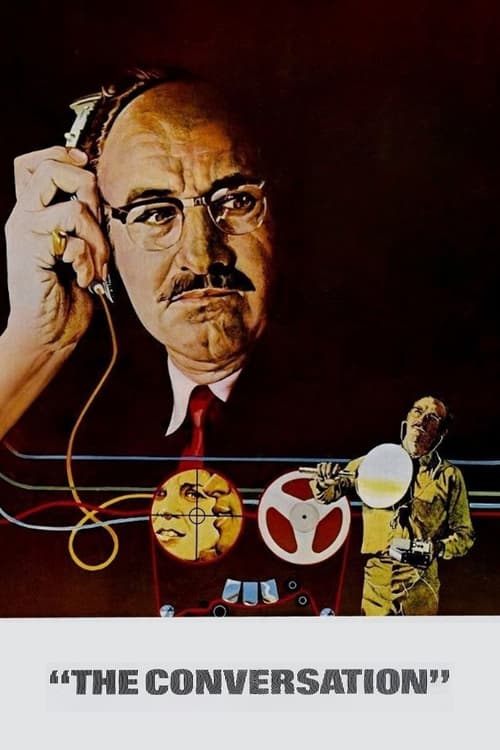
1. The Conversation
Francis Ford Coppola's chilling exploration of surveillance and paranoia, released between his 'Godfather' epics, remains remarkably prescient. Gene Hackman delivers a masterclass as Harry Caul, a meticulous wiretapper whose professional detachment crumbles under the weight of a potentially incriminating recording. It's a psychological slow-burn, meticulously crafted, that forces viewers to confront the ethical ambiguities of observation and the crushing burden of guilt, reflecting post-Watergate anxieties with haunting precision. The film is a profound study in isolation.
2 / 7
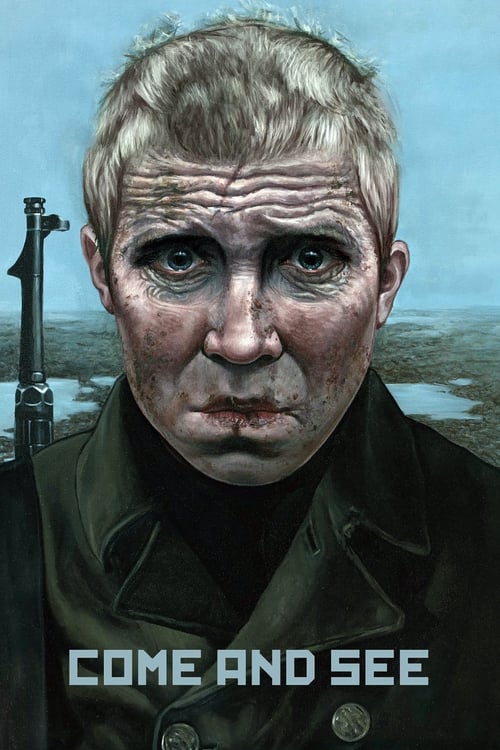
2. Come and See
Elem Klimov’s harrowing Soviet masterpiece transcends the typical war film; it is an unforgiving, visceral plunge into the horrors of World War II's Eastern Front. Through the eyes of a young Belarusian boy, Florya, we witness humanity's descent into savagery, with surreal, nightmarish imagery and a soundscape designed to unsettle. This isn't a story of heroism, but of systematic dehumanization, leaving an indelible mark. It’s an endurance test, a vital, unflinching anti-war statement that few films dare to match.
3 / 7
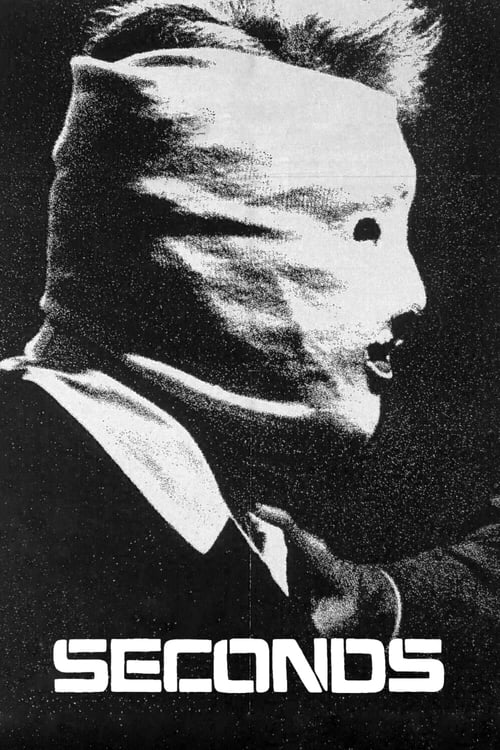
3. Seconds
John Frankenheimer’s disquieting sci-fi thriller delves into the terrifying possibility of erasing one's identity and starting anew. Rock Hudson, in a brave, against-type performance, plays a man who undergoes radical plastic surgery to escape his mundane existence. Yet, the film reveals the insidious nature of this 'second chance,' exploring themes of corporate control, existential dread, and the inescapable self. Its unsettling cinematography and narrative presaged a deep distrust in societal institutions, making it profoundly resonant.
4 / 7
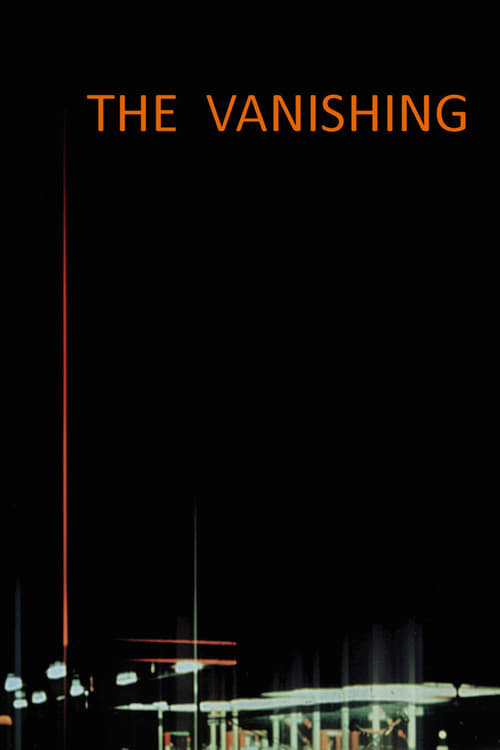
4. The Vanishing
George Sluizer’s original Dutch-French film is a chilling, meticulous psychological thriller that eschews cheap scares for profound dread. It follows Rex, whose girlfriend mysteriously disappears at a gas station, igniting an obsessive quest to discover her fate. The film's genius lies in its slow, agonizing reveal, focusing on the torment of the unknown and the chillingly logical nature of evil. It's a stark, unforgettable exploration of human darkness, proving that true terror often lies in the mind.
5 / 7
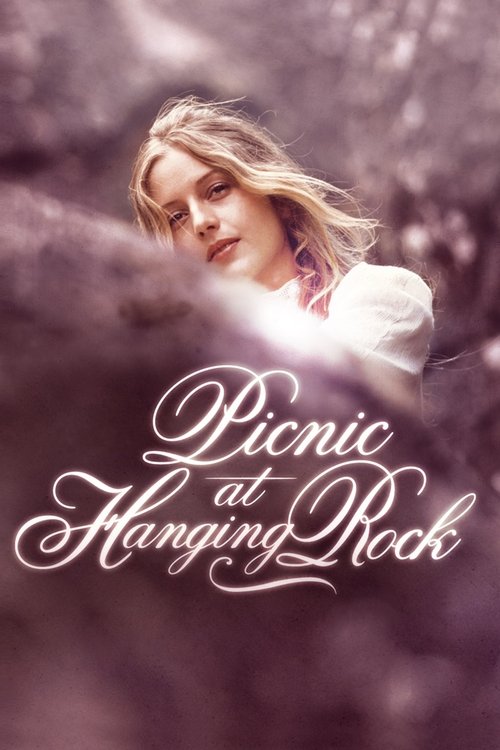
5. Picnic at Hanging Rock
Peter Weir's ethereal and enigmatic film is less a mystery to be solved and more an atmospheric meditation on the unknowable. Set in 1900 Australia, it recounts the inexplicable disappearance of schoolgirls and a teacher during a picnic. The film juxtaposes Victorian repressiveness with the ancient, untamed Australian landscape, suggesting a cosmic indifference. Its dreamy, sun-drenched visuals, haunting score, and ambiguous narrative create a hypnotic, unsettling experience, leaving a lingering sense of profound unease and wonder.
6 / 7
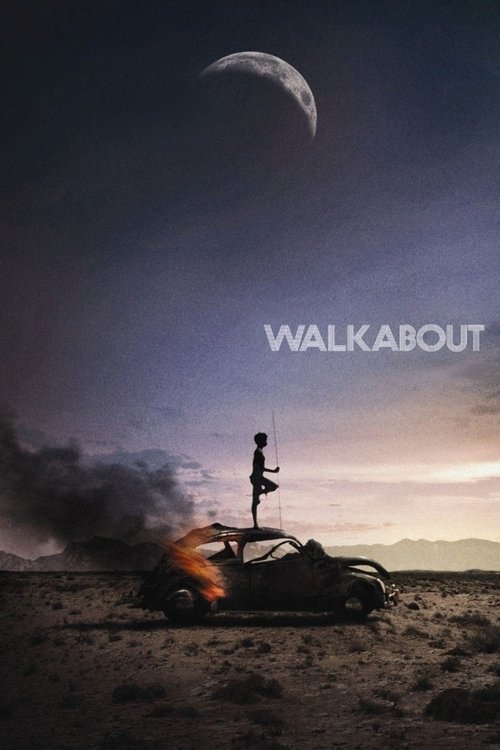
6. Walkabout
Nicolas Roeg’s visually stunning and deeply allegorical film follows two British siblings stranded in the vast Australian outback who encounter an Aboriginal boy on his ritual 'walkabout.' Roeg masterfully contrasts the artificiality of civilization with the raw purity of nature, exploring themes of communication, racial tension, and the inherent alienation of modern life. Through breathtaking cinematography and often surreal imagery, it becomes a profound, almost ethnographic, journey into humanity's primal instincts and societal constructs.
7 / 7

7. Le Samouraï
Jean-Pierre Melville's minimalist masterpiece defines cool. Alain Delon stars as Jef Costello, a solitary, meticulous contract killer operating under a strict, almost spiritual, code. This French neo-noir is less about plot and more about atmosphere, character, and the austere aesthetics of professionalism and existential solitude. Its precise framing, measured pace, and Delon's iconic, stoic performance create a profound study of fate and personal honor, influencing countless filmmakers with its elegant, stark precision and thematic depth.