
1 / 6
1. Arx Fatalis
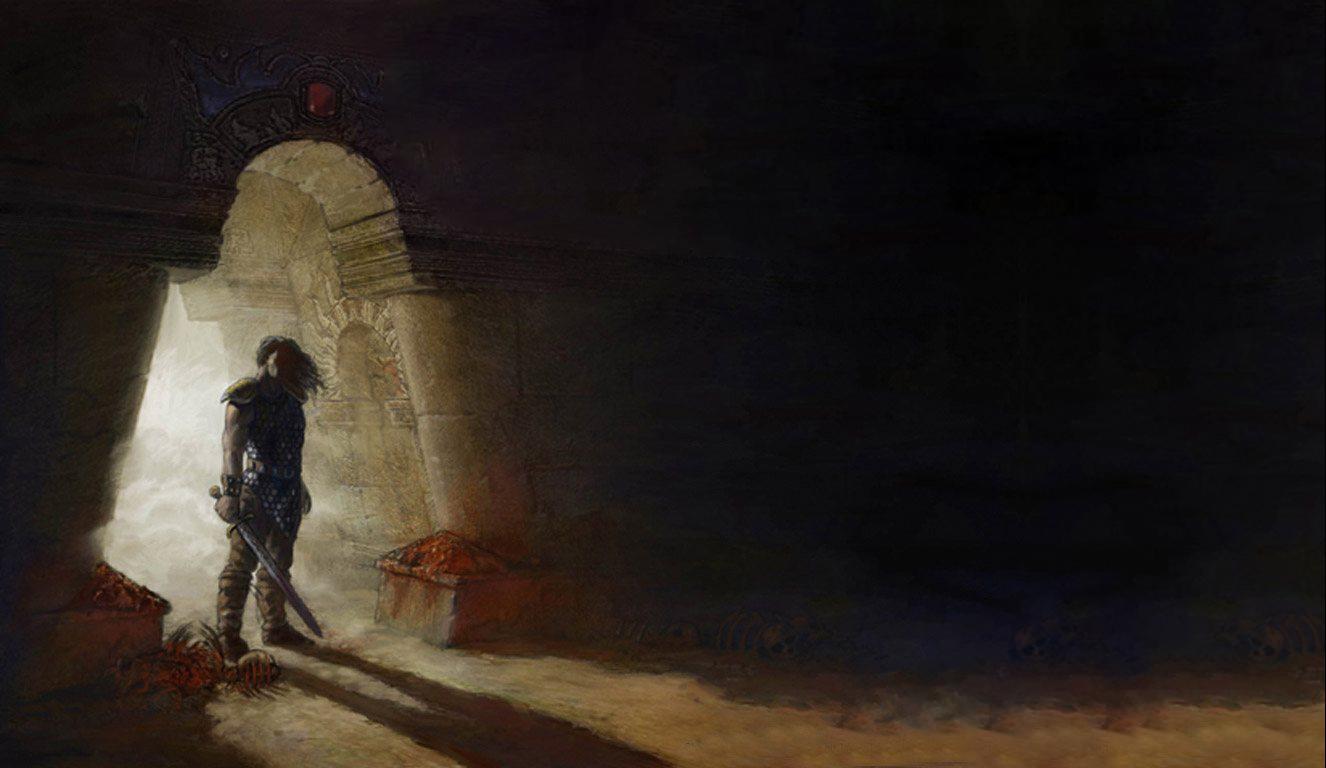
Oh man, *Arx Fatalis* (2002) is a true subterranean gem. It was janky, sure, but its deep, immersive sim mechanics and gesture-based spellcasting were pure genius. You really *felt* like you were struggling to survive in that underground world. It offered player freedom and problem-solving that most modern RPGs just don't bother with anymore, prioritizing flashy graphics over genuine interaction. It's a shame Arkane's early vision often gets overshadowed by its successors.
2 / 6
2. Vampire: The Masquerade - Bloodlines
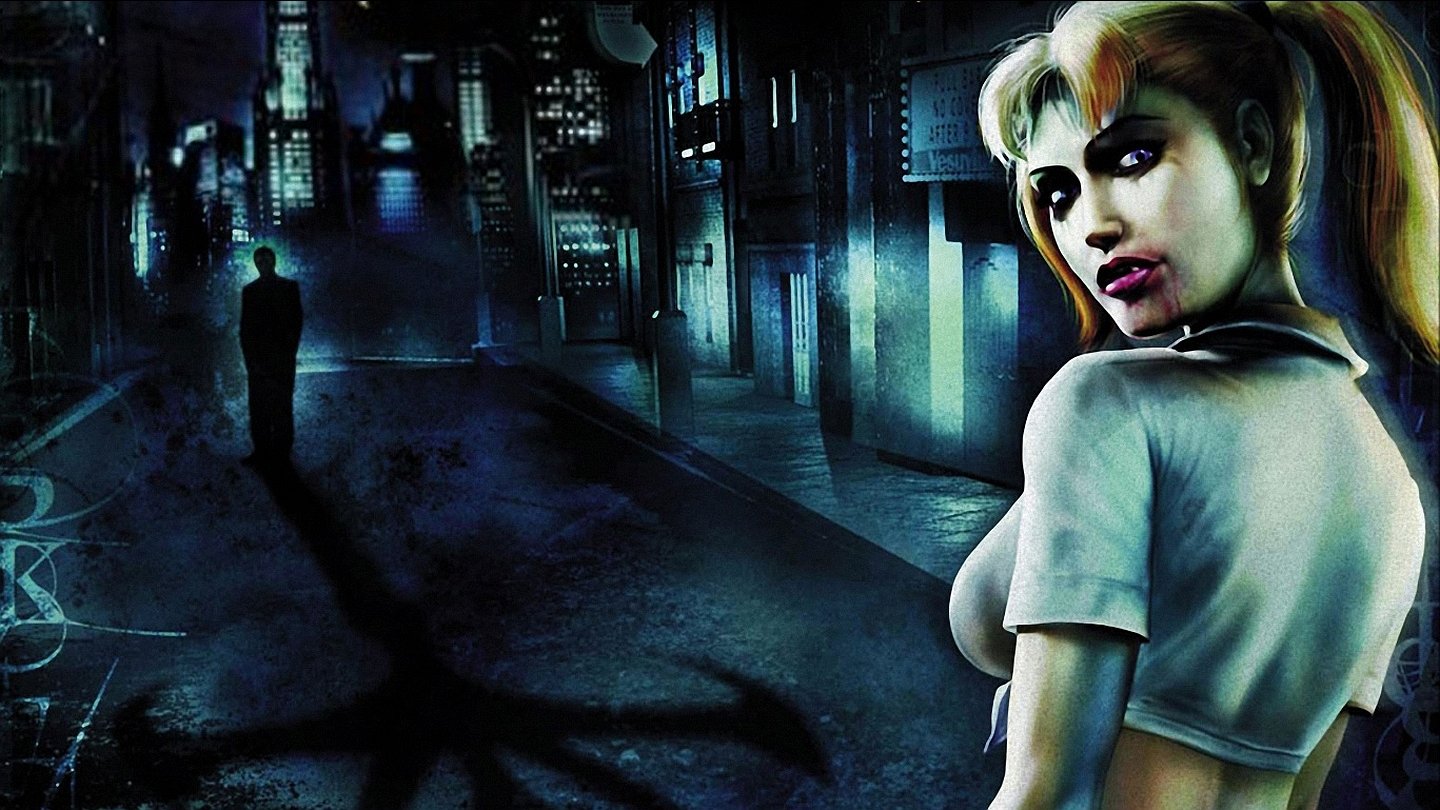
*Bloodlines* (2004) launched in a state that would make Cyberpunk 2077 blush, but under the jank was an RPG masterpiece. The writing, character acting, and sheer atmosphere were unparalleled. Your clan choice genuinely *mattered*, shaping dialogue and gameplay in ways few games dare. It’s got more soul and consequence than a dozen modern AAA titles combined, showing that a compelling world beats a perfectly polished, empty one any day.
3 / 6
3. The Secret World
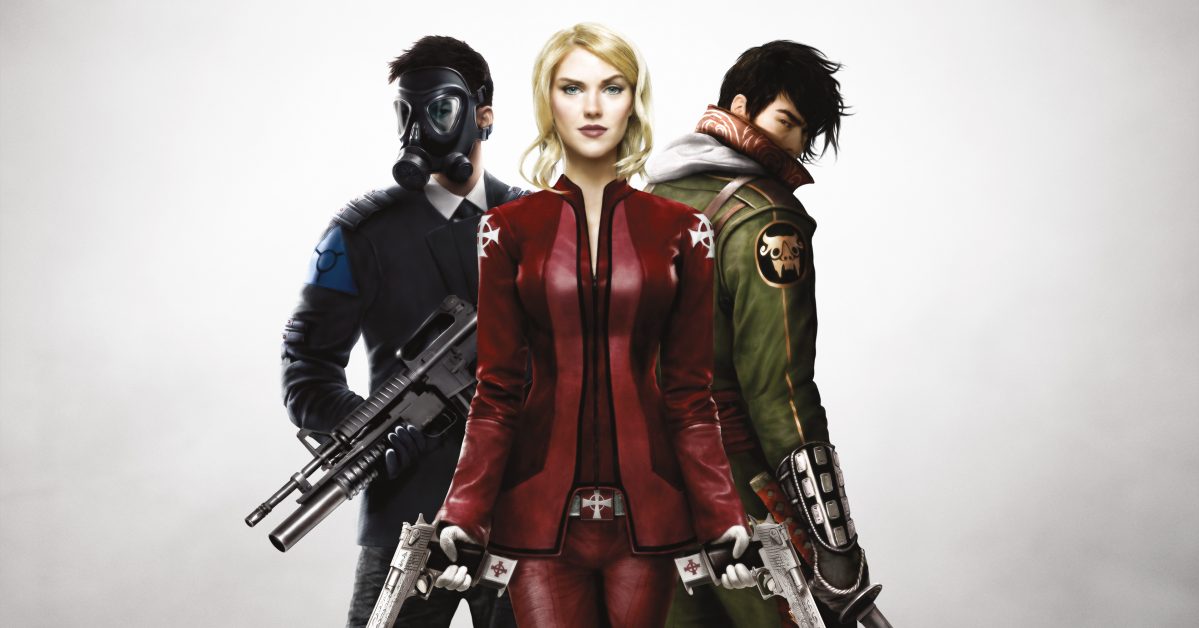
*The Secret World* (2012) was an MMO that dared to be different, ditching the fantasy tropes for a modern-day occult conspiracy. Its quest design, often involving real-world research and puzzle-solving, was brilliant and genuinely innovative. And it had an amazing narrative, which is rare for an MMO. It never found massive success, probably because it wasn't a WoW clone, which is exactly why it's so memorable. Modern MMOs could learn from its ambition.
4 / 6
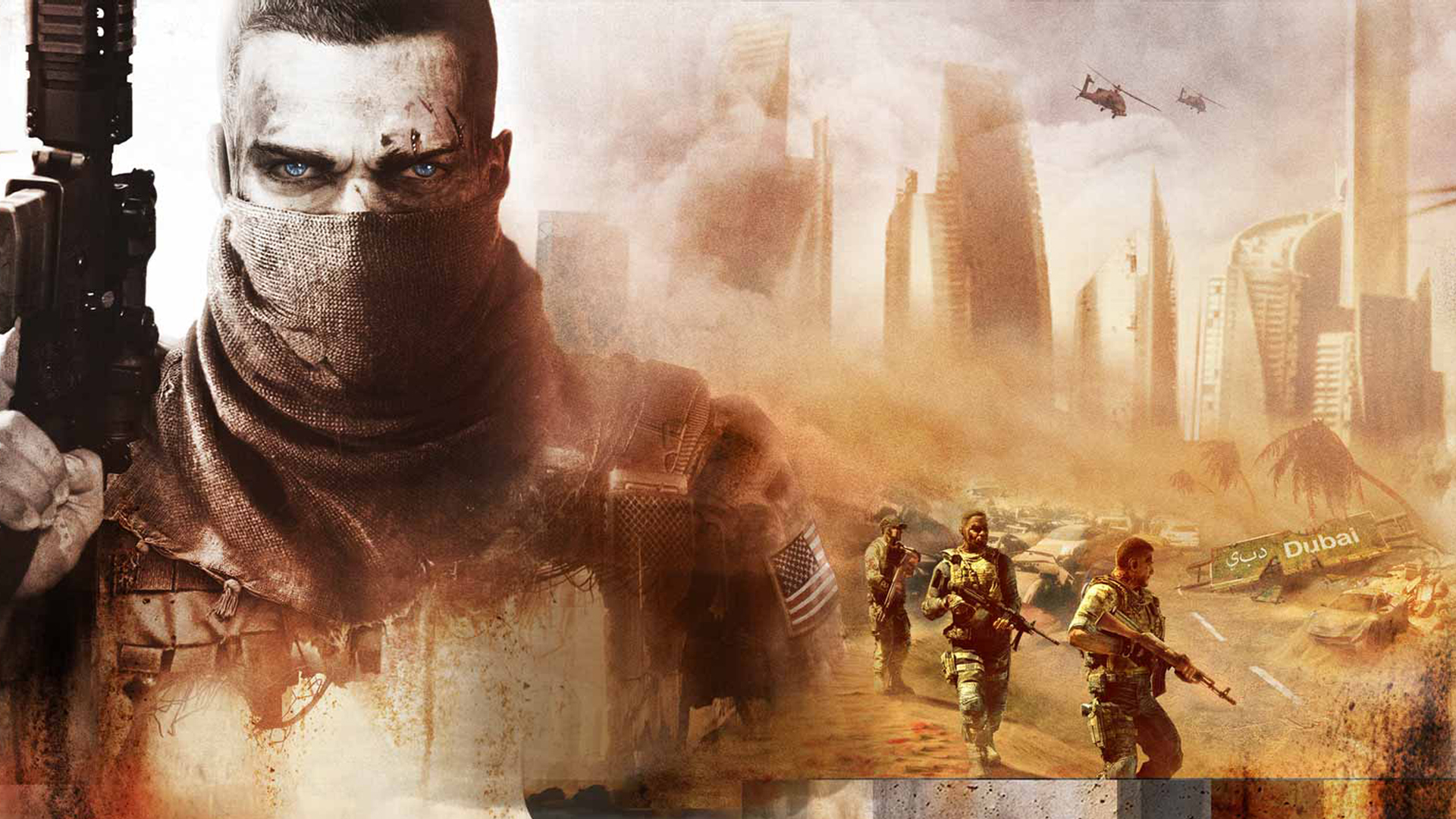
4. Spec Ops: The Line
*Spec Ops: The Line* (2012) started as another generic military shooter, but it quickly pulled the rug out from under you. This game wasn't about heroism; it was a brutal, uncomfortable deconstruction of war and player morality. It forced you to confront the consequences of your actions in ways most games shy away from. And it made you question the very genre it inhabited, a level of critical self-awareness almost nonexistent in today's endless parade of glorified violence.
5 / 6
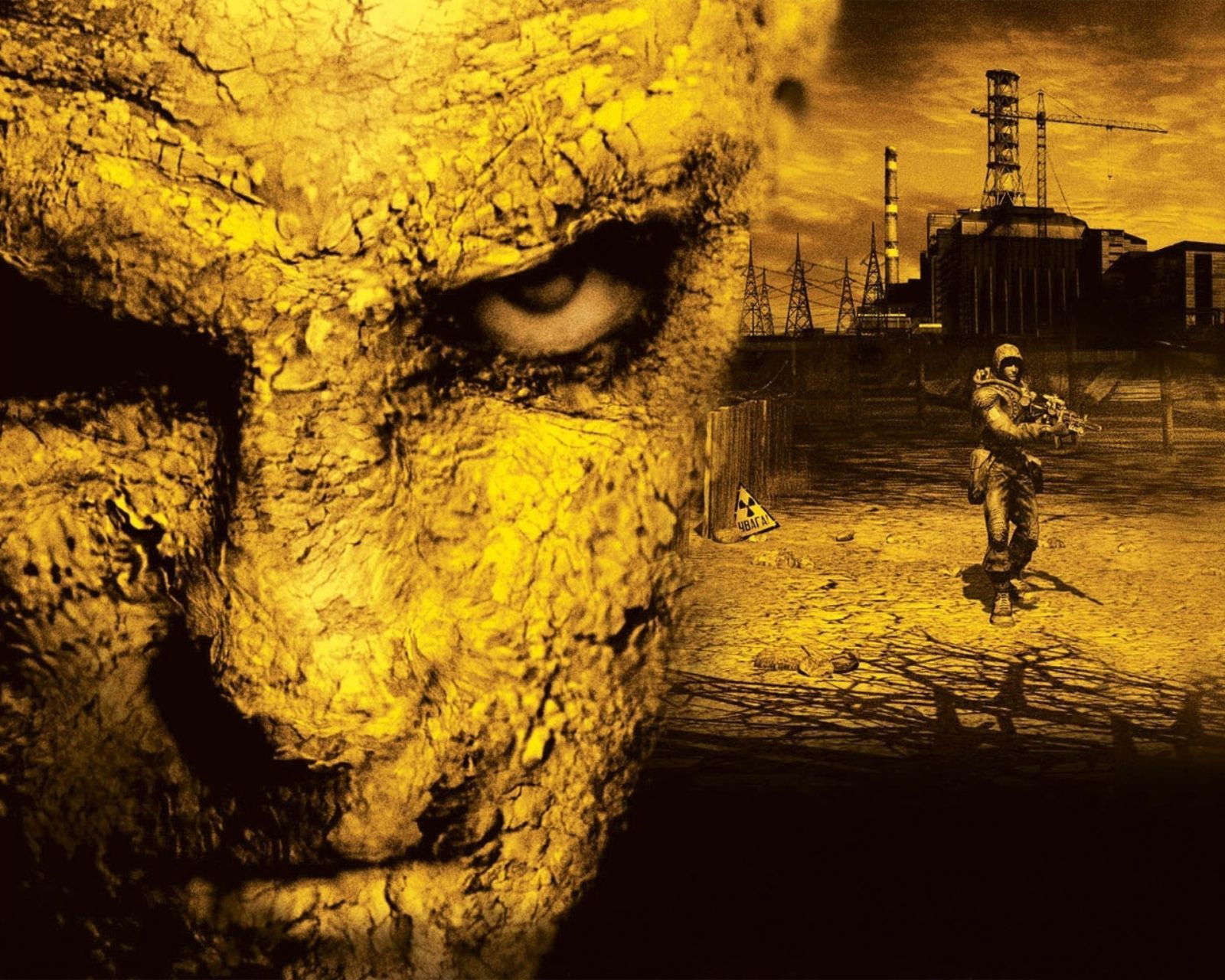
5. S.T.A.L.K.E.R.: Shadow of Chernobyl
*S.T.A.L.K.E.R.: Shadow of Chernobyl* (2007) dropped players into a brutally unforgiving, post-apocalyptic Zone. Its blend of survival horror, FPS mechanics, and emergent sandbox gameplay was unlike anything else. The atmosphere was thick enough to chew, with every anomaly and mutant feeling genuinely threatening. It demanded patience and rewarded exploration, a far cry from the hand-holding experiences prevalent today. A truly unique, hardcore PC experience that still haunts players.
6 / 6
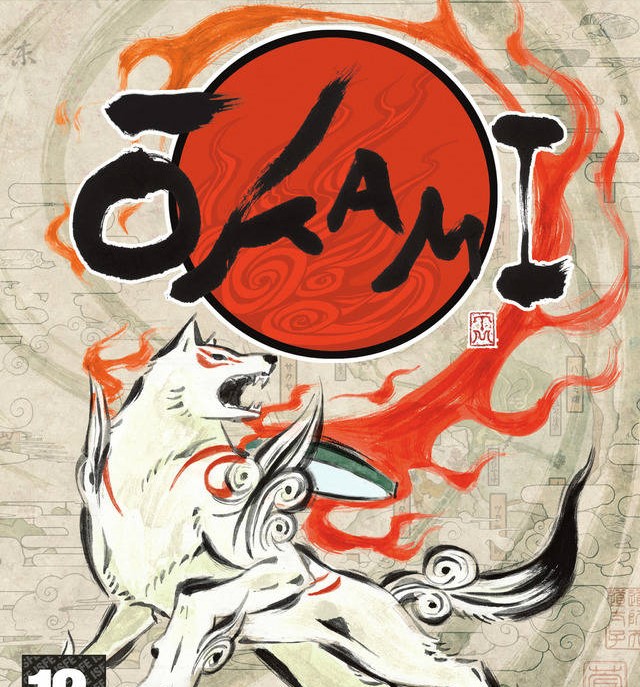
6. Okami
*Okami* (2006) on PS2 was a jaw-dropping artistic statement, a playable sumi-e painting that blended Japanese mythology with classic *Zelda*-style adventure. Its Celestial Brush mechanics were pure innovation, letting you literally paint solutions onto the world. And it was just so incredibly charming and vibrant, a stark contrast to the grimdark aesthetics that often dominate. It's a timeless reminder that creativity in art direction and gameplay can trump photorealism any day.