

1 / 7
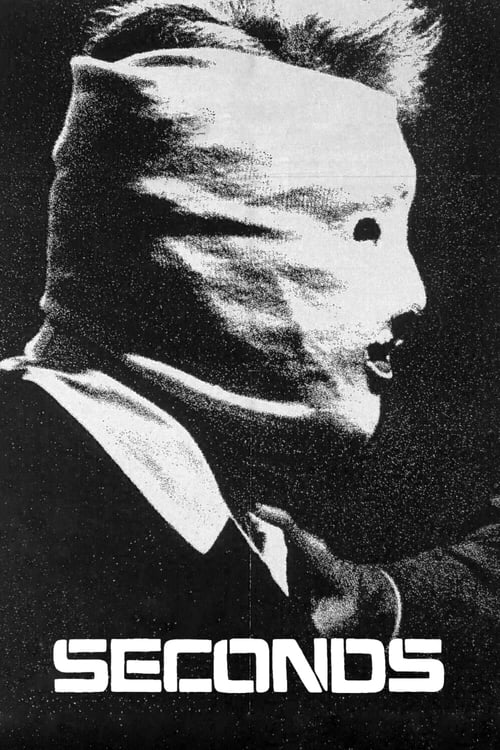
1. Seconds
John Frankenheimer’s *Seconds* (1966) is a chilling psychological thriller, a visceral dive into a man's attempt to escape his mundane existence through a radical identity change. Its expressionistic cinematography and Rock Hudson's surprisingly raw performance create an unsettling atmosphere, questioning the very nature of self and the elusive promise of rebirth. A bleak, disquieting vision of what happens when you try to outrun fate, and indeed, yourself.
2 / 7

2. Valerie and Her Week of Wonders
Jaromil Jireš’s *Valerie and Her Week of Wonders* (1970) is less a narrative and more a fever dream, an intoxicating journey through a young girl's awakening sexuality and fears. Visually stunning, it weaves a tapestry of gothic imagery, vampiric encounters, and unsettling symbolism. This Czech New Wave gem defies easy categorization, existing in its own unique, beautiful, and deeply unsettling cinematic space. It's truly a one-of-a-kind experience.
3 / 7
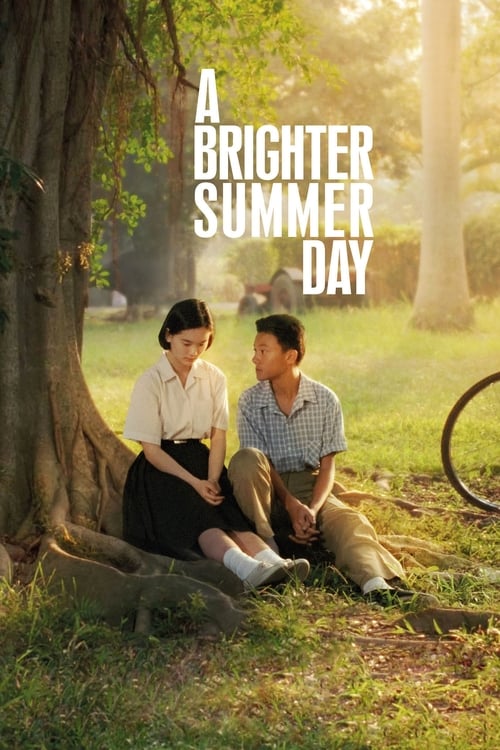
3. A Brighter Summer Day
Edward Yang’s *A Brighter Summer Day* (1991) is an epic, intimate portrait of youthful rebellion and despair amidst the political tensions of 1960s Taiwan. Spanning nearly four hours, it meticulously crafts a world of restless teenagers, broken promises, and the search for identity in a society grappling with its past and future. A profound, humanist masterpiece that slowly, inexorably draws you into its deeply melancholic orbit.
4 / 7
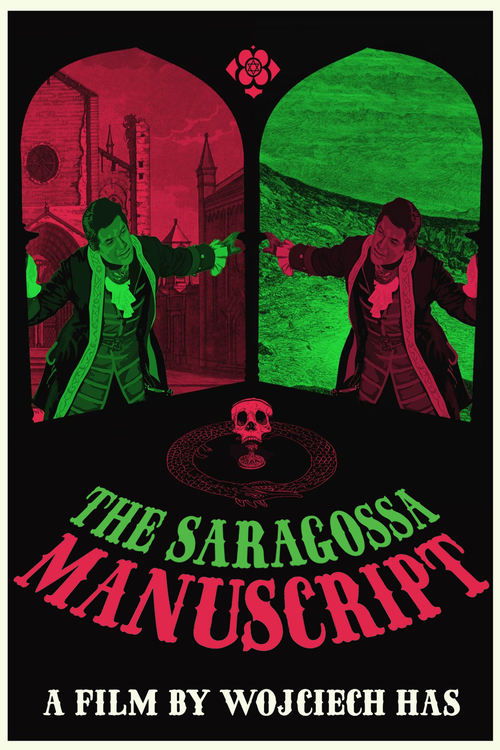
4. The Saragossa Manuscript
Wojciech Has’s *The Saragossa Manuscript* (1966) is an audacious, labyrinthine epic of nested tales and philosophical intrigue. Set in 18th-century Spain, it follows a Walloon officer encountering a dizzying array of characters and stories, each more beguiling than the last. Its intricate structure and surreal, often comedic, mysticism make it a singular achievement, a cinematic puzzle box that rewards repeated viewings.
5 / 7
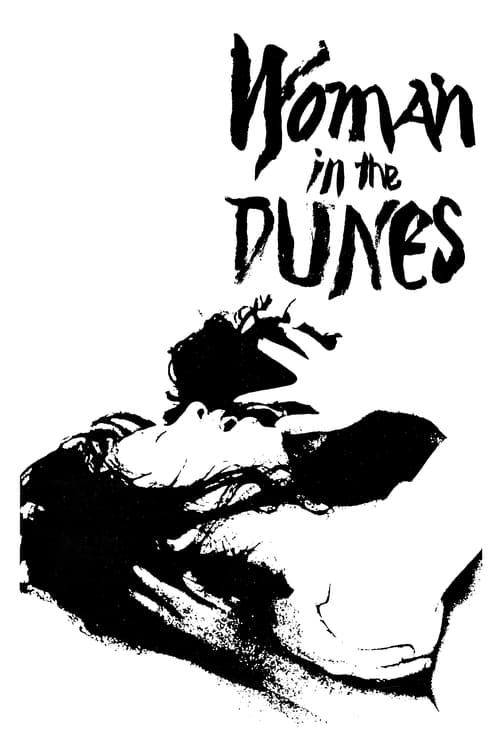
5. Woman in the Dunes
Hiroshi Teshigahara’s *Woman in the Dunes* (1964) is a masterclass in existential dread and visceral beauty. A man trapped in a sand pit with a mysterious woman must endlessly shovel sand to survive. Its stark black and white cinematography and oppressive atmosphere brilliantly convey the futility and eventual acceptance of his bizarre predicament. A profound allegory for human existence, adaptation, and the illusion of freedom.
6 / 7

6. Mikey and Nicky
Elaine May’s *Mikey and Nicky* (1976) is a raw, agonizingly intimate character study of two lifelong friends, one marked for death, navigating a night of paranoia and resentment. May’s improvisational style and unflinching gaze capture the brutal reality of their dysfunctional bond. It's a masterwork of naturalism, exposing the fragility of loyalty and the corrosive nature of fear, leaving a profound, unsettling impression.
7 / 7
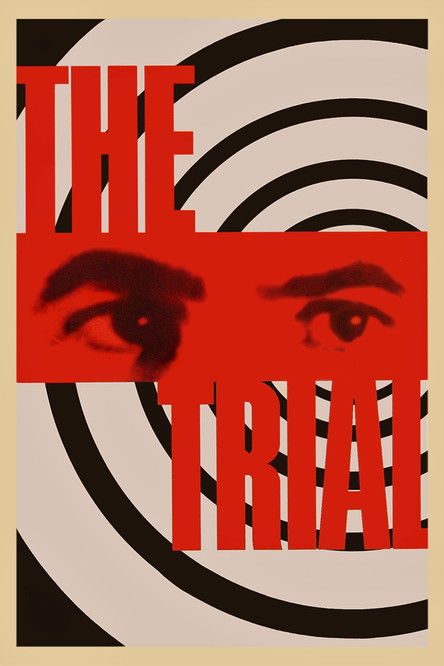
7. The Trial
Orson Welles’ *The Trial* (1962) is a feverish, nightmarish adaptation of Kafka’s novel, a stark portrayal of a man ensnared in a judicial system he cannot comprehend. Welles’ signature expressionistic visuals, deep focus, and labyrinthine sets perfectly capture the protagonist's growing terror and confusion. It’s a masterful cinematic translation of existential anxiety, a chilling vision of institutional power.