1. Harold and Maude
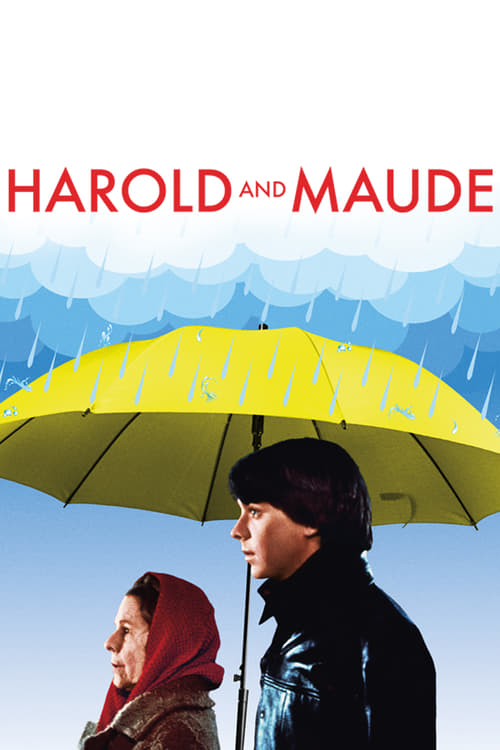
Hal Ashby's 1971 black comedy remains a singular testament to finding life in the most unexpected corners. This offbeat romance between a death-obsessed young man and an octogenarian free spirit is less about taboo and more about challenging the strictures of conventional happiness. It's a subversive, life-affirming work, imbued with Cat Stevens' melancholic soundtrack, daring audiences to embrace individuality and the beauty of the fleeting moment. Its enduring charm lies in its honest, irreverent examination of societal expectations and the profound joy found outside them.
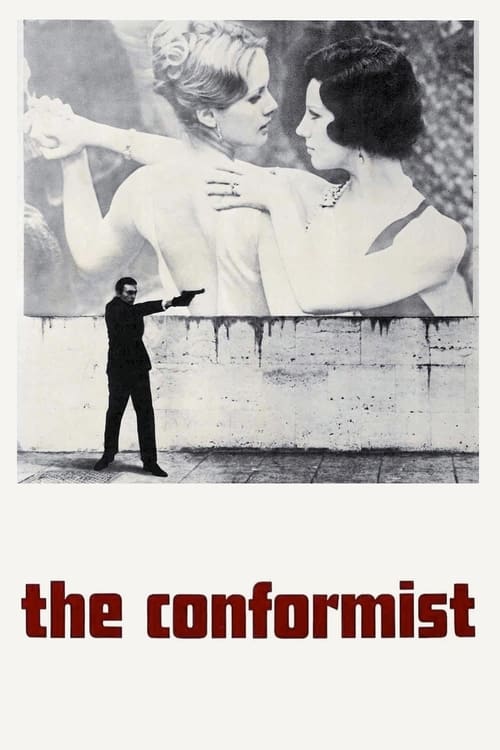
2. The Conformist
Bernardo Bertolucci's 1971 masterwork, *The Conformist*, is a visually opulent and psychologically dense exploration of fascism's insidious allure. Following Marcello Clerici, a man desperate to assimilate into Mussolini's Italy, the film dissects the compromises of the soul under authoritarianism. Vittorio Storaro's cinematography is breathtaking, creating a world of stark shadows and monumental architecture that reflects Clerici's internal vacuity. It's a profound study of moral ambiguity, political complicity, and the tragic consequences of seeking normalcy at any cost.
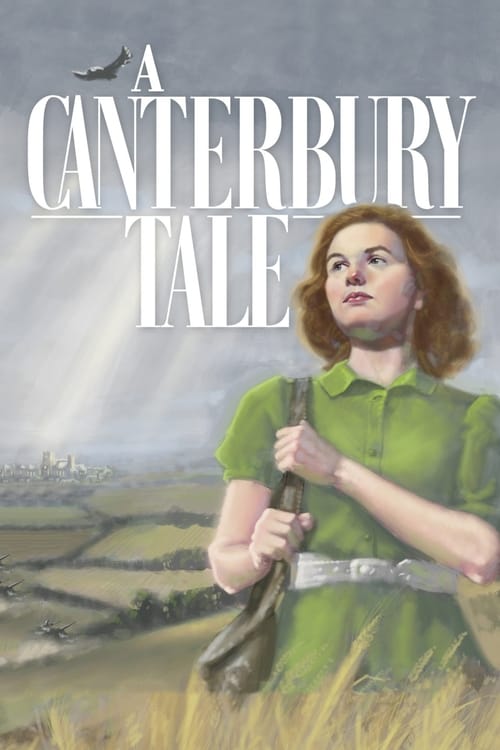
3. A Canterbury Tale
Powell and Pressburger's 1944 film, *A Canterbury Tale*, is a profoundly evocative and often mystical journey through wartime Britain. Far from a conventional narrative, it intertwines the stories of three strangers drawn to Kent, exploring themes of national identity, heritage, and the spiritual pull of the land. Its gentle pace and rich pastoral imagery offer a contemplative escape, a cinematic poem reflecting on England's soul amidst conflict. It truly captures a unique sense of place and a timeless, almost magical, British character.

4. Sympathy for Mr. Vengeance
Park Chan-wook's 2002 *Sympathy for Mr. Vengeance* initiated his infamous Vengeance Trilogy with a brutal, unflinching intensity. This is not a simple tale of retribution, but a spiraling, tragic descent into a cycle of violence where victims become perpetrators, and justice is a phantom. Park's meticulous direction and stark visual compositions underscore the film's bleak philosophy, exposing the futility and devastating human cost of personal vendetta. It's a harrowing, morally complex experience that redefined the revenge thriller.
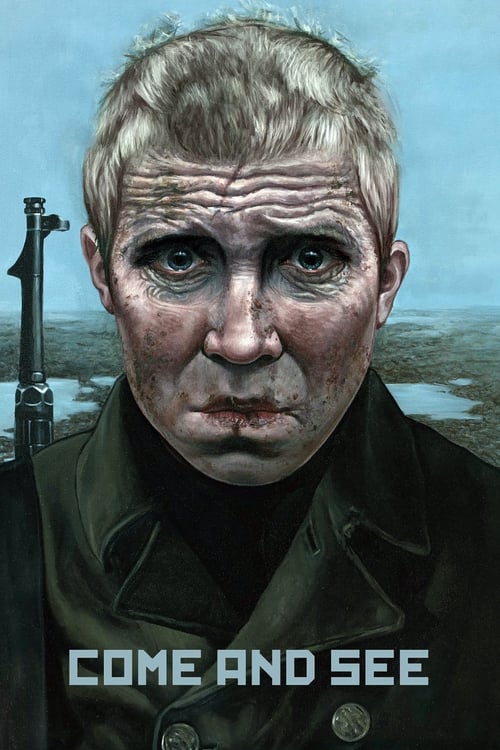
5. Come and See
Elem Klimov’s 1985 *Come and See* is arguably the most visceral, unflinching portrayal of war ever committed to film. Following a young boy joining Belarusian partisans during WWII, it plunges viewers into the psychological and physical horrors of the Eastern Front with relentless, nightmarish realism. The film's use of sound, surreal imagery, and a protagonist whose face literally ages with trauma, creates an experience that transcends conventional war narratives, leaving an indelible, deeply disturbing mark on the viewer's psyche.
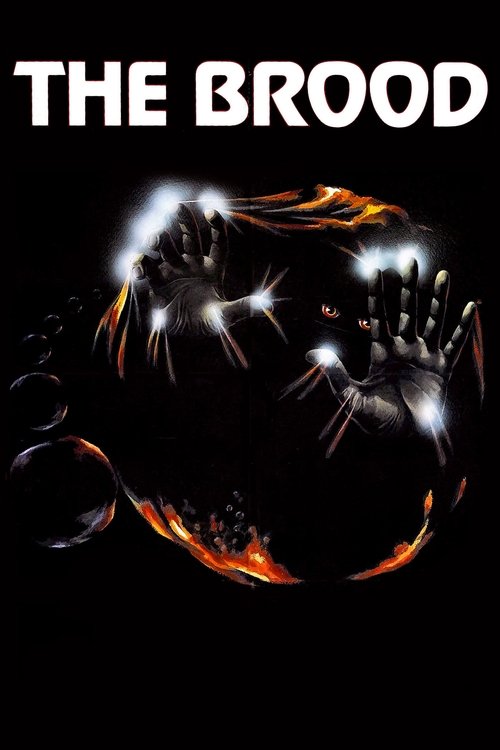
6. The Brood
David Cronenberg’s 1979 *The Brood* is a chilling, deeply personal foray into psychological body horror, rooted in the director's own turbulent divorce. It explores primal fears of parental rage and emotional trauma manifesting as grotesque, murderous offspring. Cronenberg masterfully externalizes internal anguish, blurring the lines between psychological breakdown and biological mutation. This is raw, visceral filmmaking, a disturbing examination of how unresolved emotional pain can literally birth monsters, resonating with a profound, uncomfortable truth about human relationships.
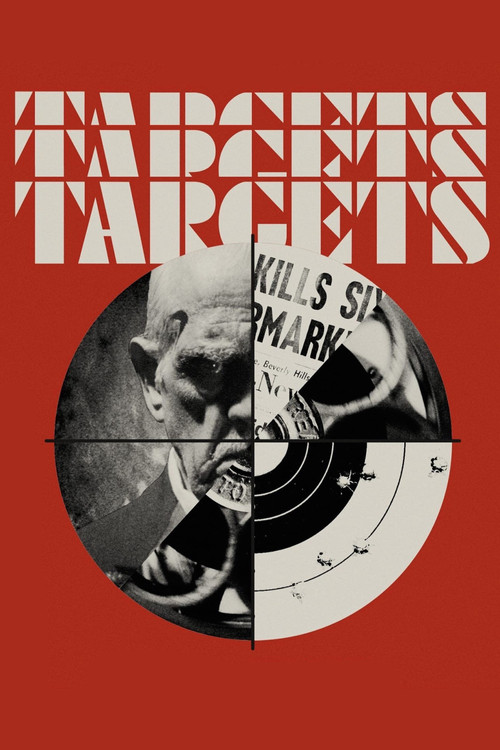
7. Targets
Peter Bogdanovich’s 1968 debut, *Targets*, is a remarkably prescient and chilling commentary on American violence, deftly interwoven with a farewell to classic Hollywood. Boris Karloff delivers a poignant final performance as an aging horror star, contrasting with a young, seemingly ordinary sniper. Bogdanovich skillfully juxtaposes old-school terror with modern, senseless brutality, crafting a powerful statement on the loss of innocence and the emergent, terrifying reality of random violence in contemporary society. It's a brilliant, understated genre deconstruction.