

1 / 7

1. Blow Out
De Palma's homage to *Blow-Up* and *The Conversation* is a masterclass in suspense. A sound engineer accidentally records evidence of a political assassination, leading him down a rabbit hole where truth is elusive and easily manipulated. John Travolta's performance anchors a story that cynically dissects American idealism and media's complicity in obscuring reality. The film's meticulous sound design and tragic climax are unforgettable.
2 / 7
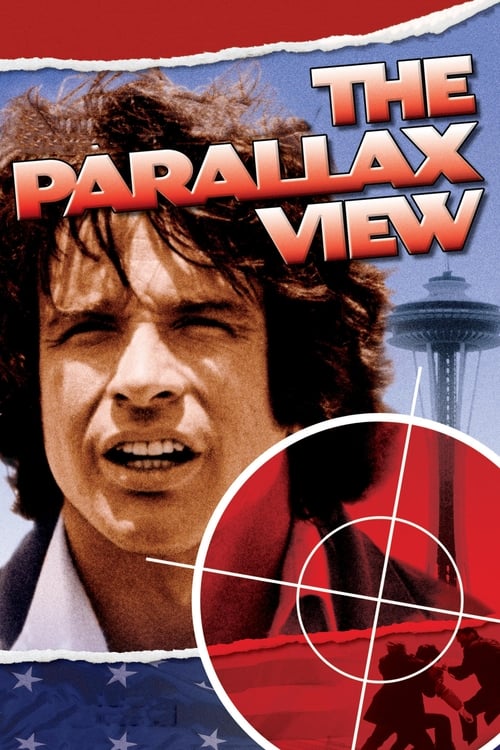
2. The Parallax View
Alan J. Pakula's paranoid masterpiece remains a chilling examination of corporate conspiracy. A reporter, driven by personal tragedy, uncovers a vast organization recruiting assassins, pulling him deeper into a system designed to eliminate dissent. It’s less about a singular truth emerging and more about the terrifying realization that some truths are too powerful to be allowed to surface, with those who seek them inevitably becoming targets.
3 / 7
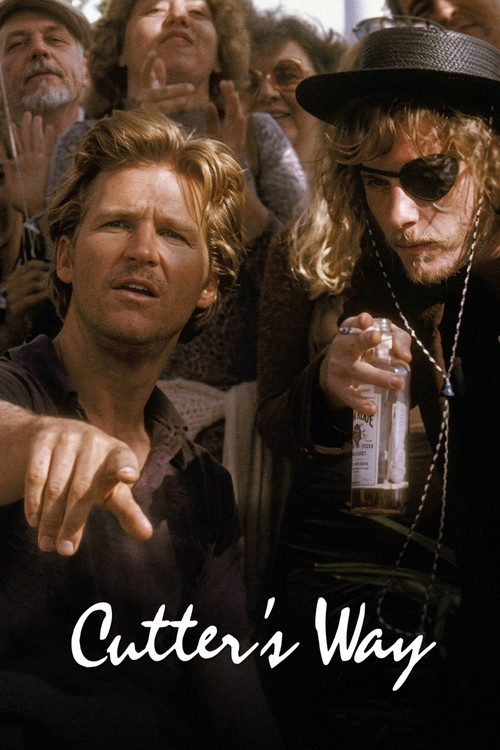
3. Cutter's Way
This neo-noir gem is beautifully bleak, exploring the corrosive nature of idealism in a cynical world. Jeff Bridges and John Heard play two drifters who stumble upon evidence of a murder, igniting a desperate, doomed quest for justice against a powerful oil baron. The film highlights how even well-intentioned efforts to expose wrongdoing can lead to tragic ruin, underscoring the fragility of truth in the face of power.
4 / 7
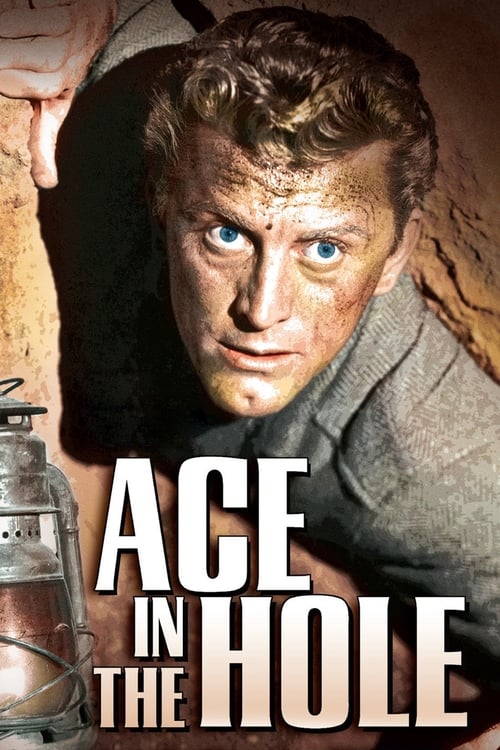
4. Ace in the Hole
Billy Wilder’s scathing indictment of media sensationalism is as relevant today as it was in 1951. Kirk Douglas delivers a powerful performance as a ruthless reporter who exploits a mining accident to revive his career, manipulating both the victim and the public for a scoop. This film reveals the ugly truth about how easily tragedy can be commodified and how the pursuit of a story can eclipse human decency.
5 / 7

5. Paths of Glory
Stanley Kubrick's early, powerful anti-war statement exposes the moral bankruptcy of military leadership during WWI. When a French general orders a suicidal attack, he subsequently scapegoats three innocent soldiers for cowardice. Kirk Douglas, as their defending colonel, fights against the horrific bureaucratic indifference. The film meticulously demonstrates how "truth" is often a casualty of ego and strategic maneuvering in the theatre of war.
6 / 7
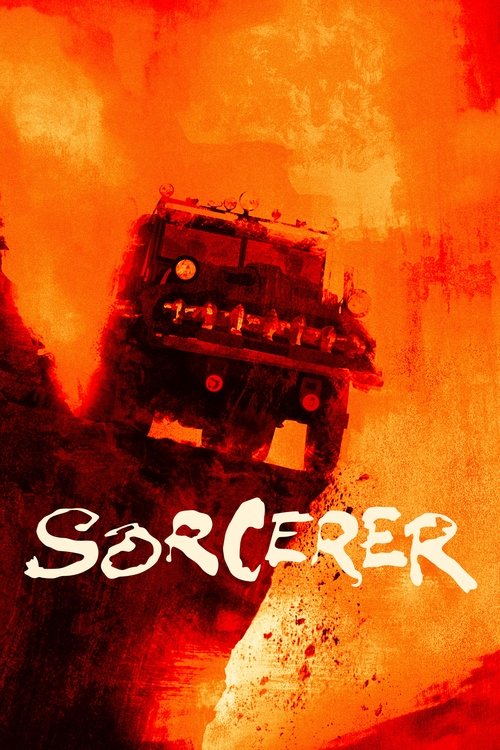
6. Sorcerer
William Friedkin's relentless, existential thriller strips away all pretense. Four desperate men, fugitives from justice, accept a perilous job transporting unstable nitroglycerin across treacherous South American jungle roads. It's a grueling journey that reveals their raw fear and determination, forcing them to confront their deepest selves. The film isn't about a grand conspiracy, but the brutal, unvarnished truth of survival against overwhelming, unforgiving odds.
7 / 7
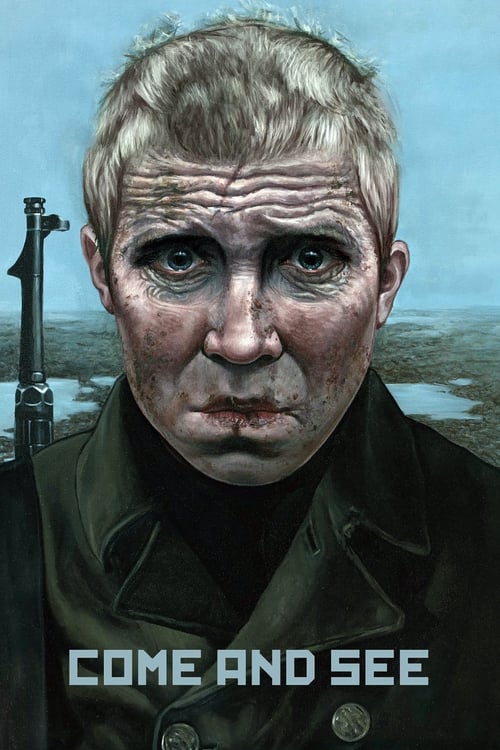
7. Come and See
Elem Klimov's harrowing, visceral plunge into the horrors of WWII's Eastern Front is an unparalleled cinematic experience. A Belarusian boy witnesses the unspeakable atrocities committed by Nazi forces, and the film doesn't hide behind metaphor. It’s not about a hidden truth; it's about the unbearable, inescapable truth of war's dehumanizing depravity, depicted with unflinching realism that forces the viewer to truly see and confront.