
1 / 7
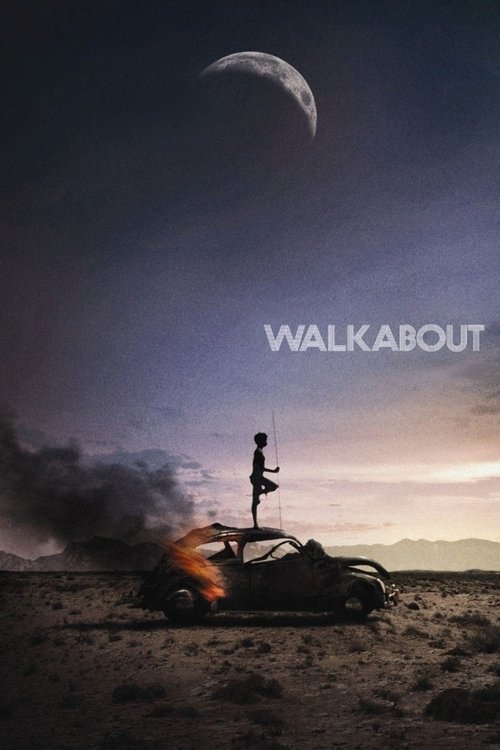
1. Walkabout
Nicolas Roeg’s *Walkabout* is a mesmerizing, often unsettling journey into the Australian outback, where two privileged English siblings are left to fend for themselves. It's a stark, visually stunning exploration of innocence lost, cultural collision, and humanity's uneasy relationship with the natural world. Roeg crafts a dreamlike, almost hallucinatory narrative, revealing the profound, sometimes brutal, beauty and indifference of the landscape, juxtaposed with the fragile artifice of civilization. A deeply atmospheric and thought-provoking cinematic experience.
2 / 7

2. Daisies
Věra Chytilová's *Daisies* explodes onto the screen as a radical, anarchic declaration from the Czech New Wave. Following two young women who decide the world is rotten, so they might as well be too, it's a vibrant, surreal feast of color, collage, and playful destruction. More than just visual spectacle, Chytilová’s film is a subversive, feminist critique, questioning societal norms and consumerism with delightful, chaotic abandon. It remains an exhilarating, utterly unique piece of cinematic rebellion.
3 / 7
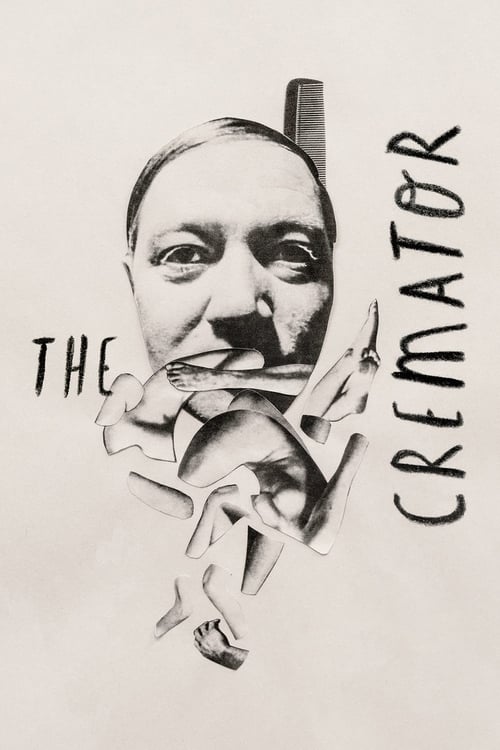
3. The Cremator
Juraj Herz’s *The Cremator* is a chillingly precise descent into madness, disguised as a macabre black comedy. Karel Kopfrkingl, a seemingly ordinary cremator, becomes increasingly obsessed with his profession’s philosophical implications, especially as totalitarian ideologies take hold. Herz masterfully blends grotesque humor with a creeping sense of dread, crafting a portrait of bureaucratic evil and moral decay. It’s a profoundly unsettling, exquisitely shot examination of how easily a soul can be corrupted under the guise of order and purpose.
4 / 7
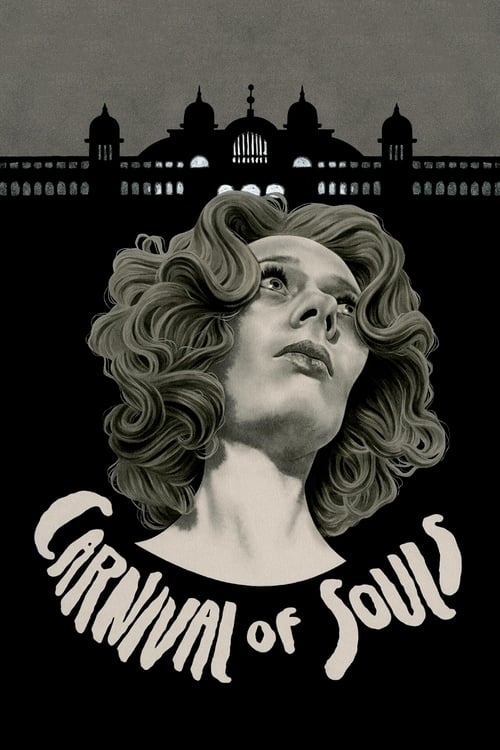
4. Carnival of Souls
Herk Harvey’s *Carnival of Souls*, a shoestring-budget independent film, achieves a haunting, indelible power that belies its origins. After a car accident, Mary Henry finds herself inexplicably drawn to a deserted pavilion, haunted by spectral figures. The film’s genius lies in its pervasive, dreamlike atmosphere and subtle psychological horror, building an inescapable sense of dread without overt gore. It’s a masterclass in mood and existential terror, profoundly influencing subsequent generations of filmmakers.
5 / 7

5. Johnny Guitar
Nicholas Ray’s *Johnny Guitar* is a Western unlike any other, a fever dream of Freudian melodrama and vivid Technicolor. Joan Crawford’s Vienna, a saloon owner with a mysterious past, defies traditional genre roles, embodying fierce independence against a backdrop of mob hysteria and betrayal. Ray subverts expectations, crafting a tale less about cowboys and more about intense personal dramas, power dynamics, and societal persecution. It’s a bold, almost operatic film, brimming with unforgettable characters and subversive energy.
6 / 7

6. Primer
Shane Carruth’s *Primer* is a singular achievement in independent cinema, a labyrinthine time-travel narrative constructed with minimalist precision and intellectual rigor. Two engineers accidentally invent a device that allows them to travel short distances into the past, quickly spiraling into ethical dilemmas and paradoxes. Carruth demands intense concentration, presenting its complex mechanics with deliberate ambiguity, pushing the audience to piece together its intricate logic. It’s a masterclass in high-concept, low-budget filmmaking, rewarding repeat viewings immensely.
7 / 7
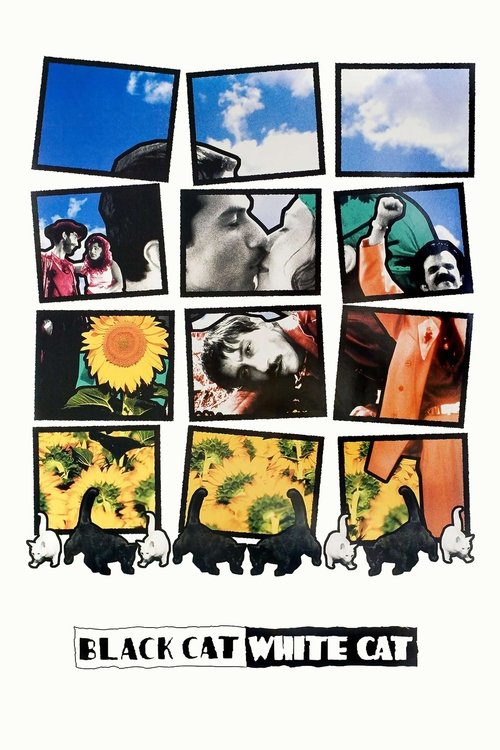
7. Black Cat, White Cat
Emir Kusturica’s *Black Cat, White Cat* is an exuberant, boisterous dive into the chaotic, vibrant world of Romani communities along the Danube. It’s a sprawling, farcical comedy brimming with unforgettable characters, absurd situations, and a perpetual soundtrack of brass bands. Kusturica’s directorial hand orchestrates a symphony of slapstick, romance, and cultural exuberance, creating a film that feels both wildly spontaneous and meticulously crafted. An intoxicating, joyous, and utterly unique cinematic experience.