

1 / 9

1. Grim Fandango
This point-and-click adventure, melding film noir with Mexican folklore, arrived with a striking art style and razor-sharp dialogue. Its darkly comedic narrative about a travel agent for the dead, Manny Calavera, explored themes of bureaucracy and morality with a wit few games ever match. It built a reputation as a narrative masterpiece, influencing countless story-driven games and proving that humor and pathos could coexist in a digital afterlife.
2 / 9
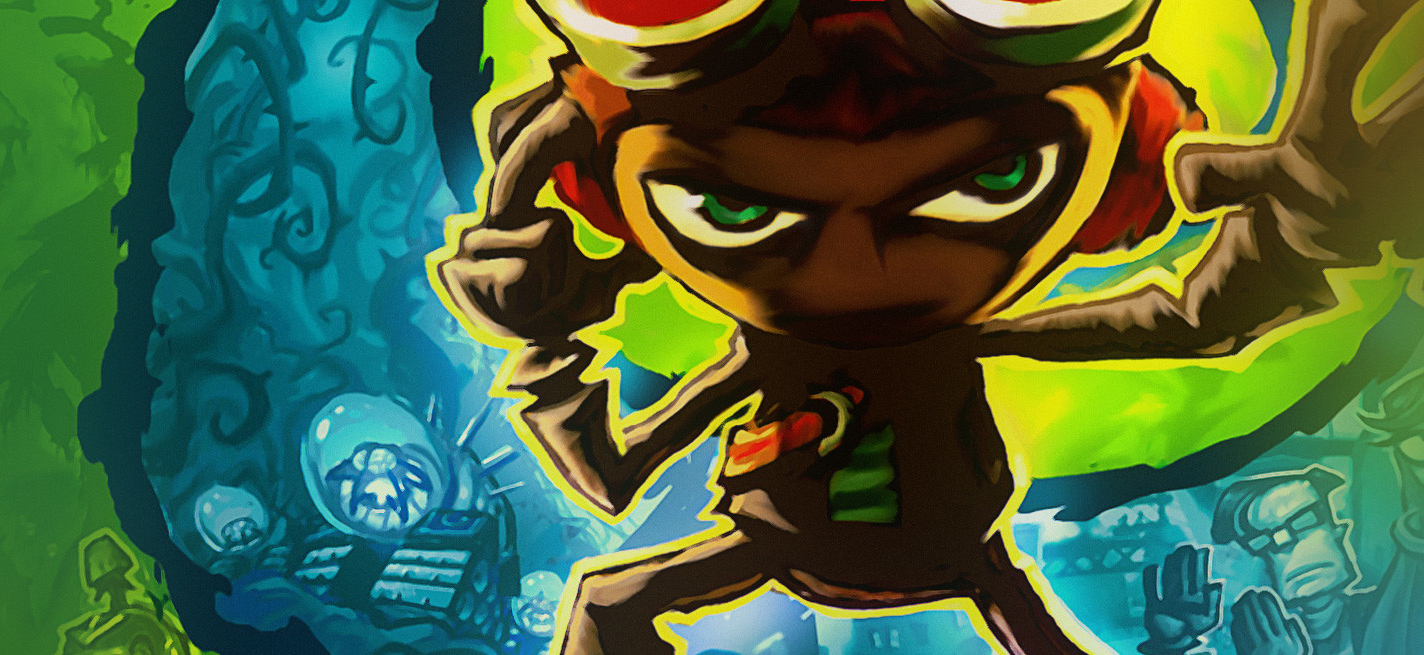
2. Psychonauts
Double Fine's platformer took players on a journey into the twisted, imaginative minds of others, long before mental health became a widespread gaming theme. Its quirky humor, inventive level design, and deep character development explored psychological concepts with a playful intelligence. It quietly championed unique ideas and creative freedom, demonstrating that platforming could be a vehicle for genuinely meaningful, if surreal, storytelling.
3 / 9

3. Beyond Good & Evil - 20th Anniversary Edition
The original was a critical darling, offering a blend of action, stealth, and investigative journalism through the eyes of Jade. This 20th Anniversary Edition reminds us why its initial commercial underperformance was so lamentable. It delivered a compelling, politically charged narrative with a strong female lead and diverse gameplay, proving that thoughtful, character-driven adventures could challenge industry norms and leave a lasting impression.
4 / 9

4. Jade Empire
BioWare ventured into a Wuxia-inspired fantasy, offering a distinctive action RPG experience. Its real-time combat, nuanced morality system, and rich lore stood apart from their usual D&D or sci-fi settings. It explored Eastern philosophy and martial arts with a respectful depth, showcasing that BioWare could craft compelling narratives beyond their established formulas and influence future character-focused action-RPGs with its unique blend.
5 / 9

5. Alpha Protocol
Obsidian's spy RPG, despite its rough edges at launch, was truly ahead of its time with a dialogue system where player choices had profound, often unforgiving, consequences. It offered a grittier, more realistic take on espionage, allowing genuine role-playing as a secret agent. This game demonstrated the immense potential for player agency in narrative design, influencing later RPGs that prioritized meaningful branching storylines.
6 / 9

6. Enslaved: Odyssey to the West
This post-apocalyptic action-adventure reimagined a classic Chinese novel with stunning visuals and an emotionally resonant story. Its blend of platforming, combat, and a powerful character dynamic between Monkey and Trip created a memorable, linear experience. It proved that strong narrative and character relationships, even within a fixed path, could deliver a profoundly impactful journey, standing out in an era increasingly focused on open worlds.
7 / 9

7. Binary Domain
From the Yakuza studio, this third-person shooter brought surprisingly deep squad mechanics and a thought-provoking narrative about artificial intelligence. Its 'Consequence System,' where squad trust affected gameplay and story, was a daring innovation. It tackled complex philosophical questions within a frantic action framework, earning a dedicated following for its bold storytelling and unique approach to player-team interaction.
8 / 9

8. killer7
Suda51's highly stylized, on-rails shooter was a psychedelic, cel-shaded fever dream. It pushed boundaries with its surreal narrative, dissecting global politics and identity through an unapologetically artistic lens. This game was a pure, unadulterated artistic statement, influencing independent game design and narrative experimentation by proving that games could be challenging, abstract, and deeply personal without conforming to commercial expectations.
9 / 9
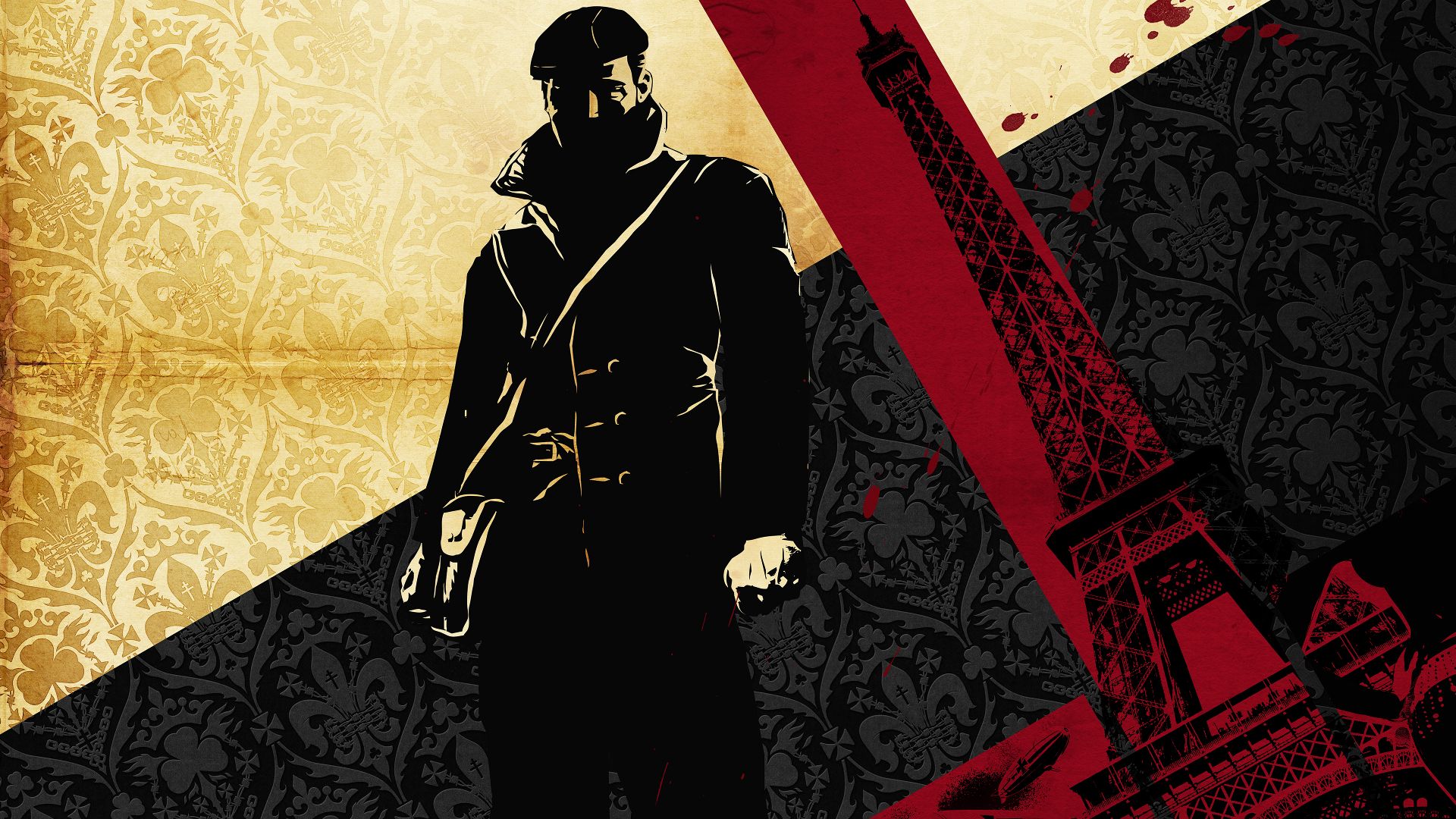
9. The Saboteur
Set in Nazi-occupied Paris, this open-world action game innovated with a striking black-and-white to color mechanic, symbolizing resistance and hope. Its blend of stealth, combat, and parkour, coupled with a compelling revenge narrative, gave it a distinct identity. It powerfully demonstrated how aesthetic choices could reinforce thematic elements, leaving a lasting visual impression and proving that style could be as impactful as substance.