
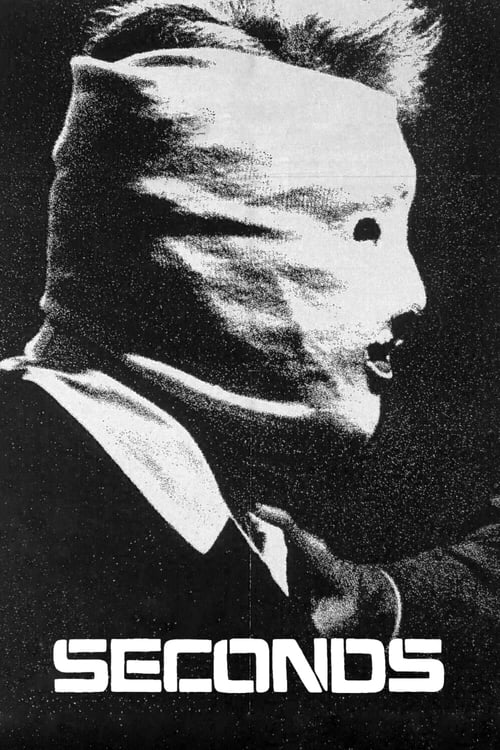
1. Seconds
John Frankenheimer's chilling 1966 masterpiece explores identity with terrifying precision. A jaded businessman undergoes a radical procedure to shed his old life, only to find his 'new' existence a gilded cage of existential dread. The black and white cinematography, combined with rock-and-roll pacing, creates a deeply unsettling, almost psychedelic experience. It’s a prescient, visceral film that truly demands to be seen on a large screen, letting its paranoia seep into your bones.
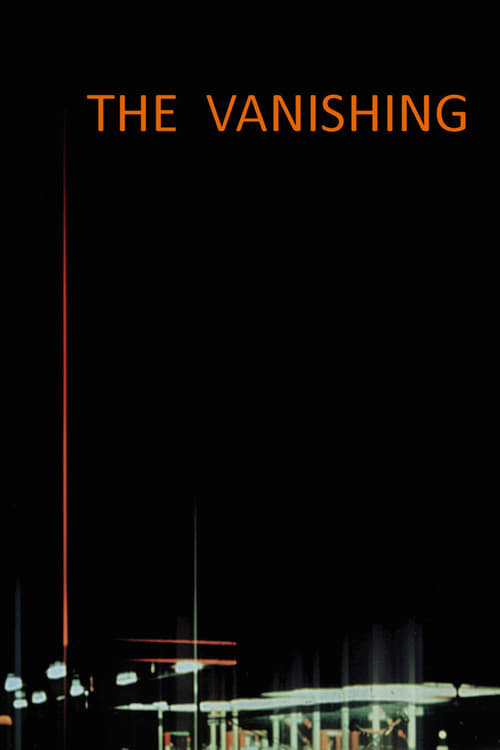
2. The Vanishing
George Sluizer’s original 1988 Dutch-French thriller is a masterclass in psychological torment, far surpassing its American remake. It follows a man’s obsessive search for his girlfriend after she mysteriously disappears at a rest stop. The film's genius lies in its slow burn, building unbearable tension not through jump scares, but through the protagonist's relentless, self-destructive quest for an answer, culminating in one of cinema’s most disturbing and unforgettable endings.
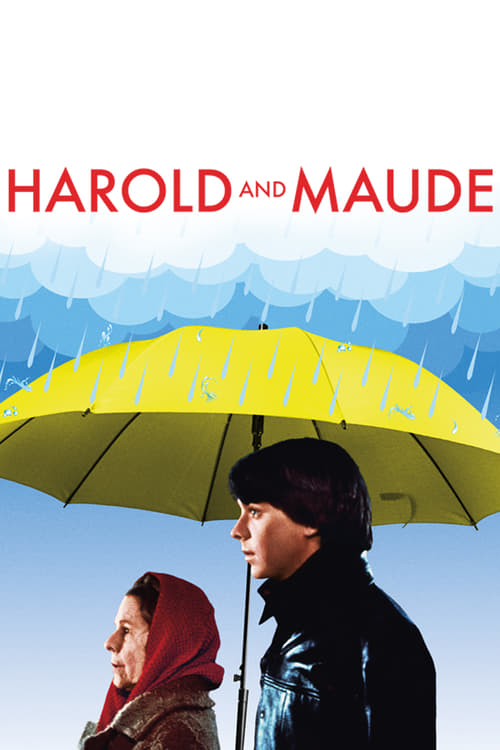
3. Harold and Maude
Hal Ashby’s 1971 cult classic beautifully blends morbid humor with life-affirming philosophy. A death-obsessed young man finds an unlikely soulmate in an eccentric, life-loving octogenarian woman. Their unconventional romance is a poignant, darkly funny exploration of mortality, joy, and challenging societal norms. Its unique tone, unforgettable Cat Stevens soundtrack, and genuinely touching performances make it a singular cinematic experience that benefits from shared viewing.
4. Come and See
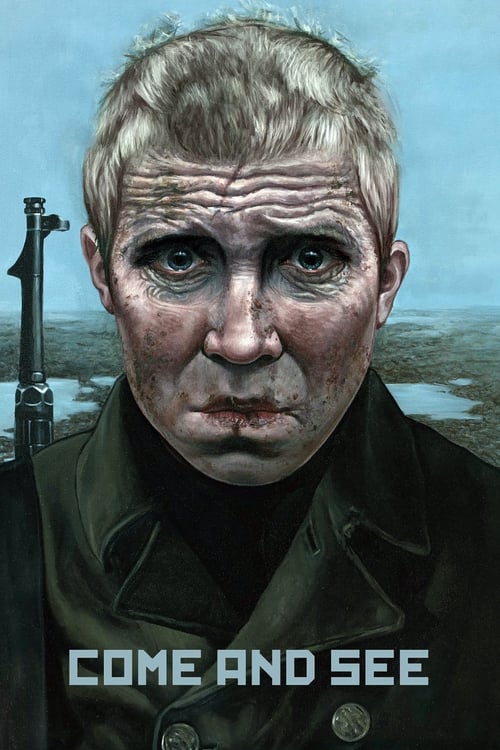
Elem Klimov’s 1985 Soviet anti-war film isn't merely a movie; it's an endurance test. Witnessing the atrocities of World War II through the eyes of a young Belarusian boy, the film uses unflinching realism and surreal horror to depict the dehumanizing brutality of conflict. Its haunting imagery and powerful sound design leave an indelible mark, making it one of the most harrowing, yet essential, cinematic accounts of war ever made.
5. Brazil
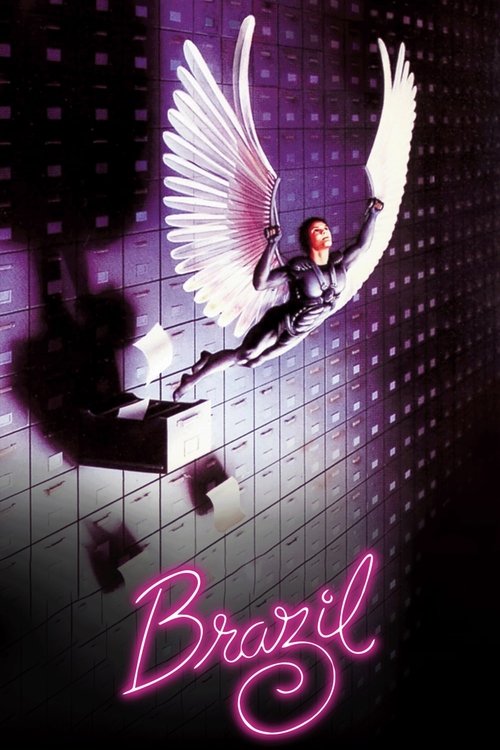
Terry Gilliam’s 1985 dystopian fever dream is a visually spectacular, darkly comedic critique of bureaucracy and consumerism. A low-level bureaucrat dreams of escaping his mundane life and an oppressive, retro-futuristic society. Its elaborate production design, anarchic humor, and melancholic undertones create a unique world. The film’s chaotic energy and imaginative scope truly come alive when projected on a massive canvas, overwhelming your senses.
6. Synecdoche, New York
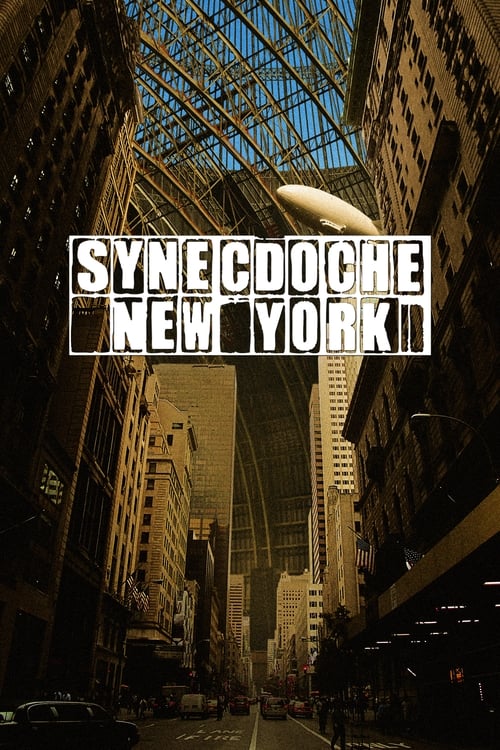
Charlie Kaufman’s 2008 directorial debut is a towering, challenging exploration of art, identity, and mortality. A theater director attempts to build an increasingly elaborate, life-sized replica of New York City for his play, blurring the lines between creation and existence. It's a deeply personal, philosophical, and often bewildering journey into the human psyche. This film demands patience and a big screen to fully appreciate its sprawling, intricate, and ultimately profound ambition.
7. Memories of Murder
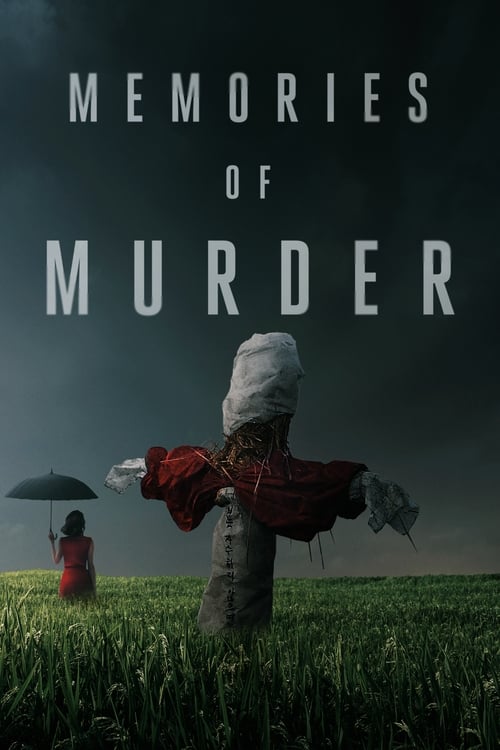
Before *Parasite*, Bong Joon-ho delivered this atmospheric 2003 masterpiece. Based on Korea’s first serial murders, it follows two detectives struggling to catch a killer in a rural, rain-soaked province. The film expertly blends dark humor, social commentary, and nail-biting tension, capturing the frustration and futility of the investigation. Its haunting ambiguity and incredible performances create a mood that lingers, truly amplified by a dark, enveloping cinema space.