1. Blade Runner
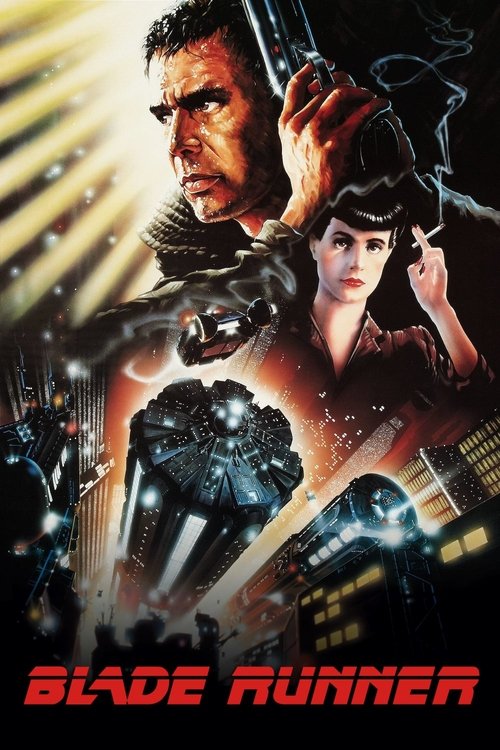
Ridley Scott's seminal work, particularly the Final Cut, offers a profound meditation on what it means to be human in an increasingly synthetic world. It blurs the lines between creator and created, memory and reality, forcing us to question our own perceptions of existence. The film's rain-slicked, dystopian Los Angeles is less a backdrop and more a character, amplifying the existential dread and melancholic beauty of its replicant protagonists. It's a journey into artificial souls.
2. Citizen Kane
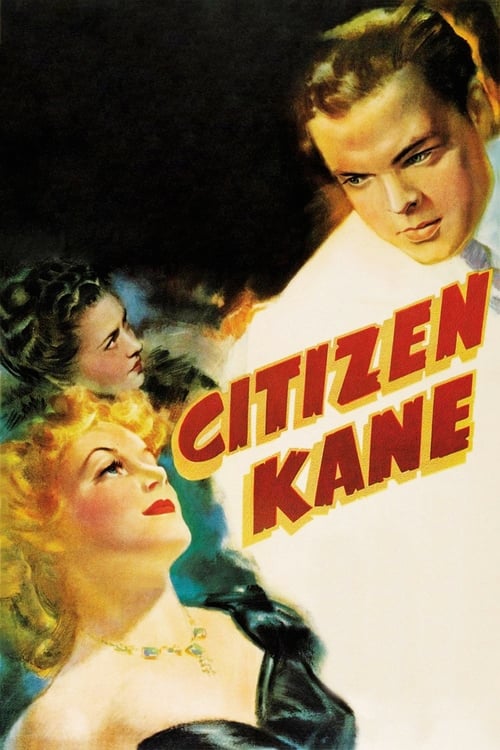
Orson Welles' debut remains a towering achievement, a masterclass in cinematic innovation that redefined narrative storytelling. Its fragmented structure, exploring a man's life through multiple, subjective perspectives, brilliantly dissects the elusive nature of truth and memory. Kane's relentless pursuit of power and material wealth ultimately leaves him isolated, a poignant reflection on the hollowness of the American Dream and the complexities of the human psyche.
3. Rashomon
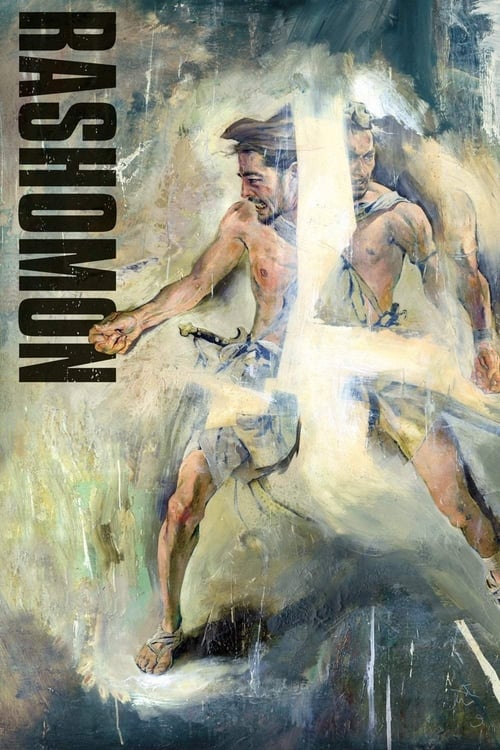
Akira Kurosawa's masterpiece challenges the very notion of objective truth, presenting a single event through conflicting testimonies. Each character's version, colored by self-interest, shame, or pride, unveils the intricate biases inherent in human perception and memory. It's a stark, yet profound, examination of how our personal narratives shape our understanding of reality and morality, prompting viewers to question the stories they tell themselves.

4. Stalker
Andrei Tarkovsky's hauntingly beautiful and deliberately paced film transcends conventional storytelling, inviting viewers into a mystical journey through the forbidden Zone. It's an allegorical exploration of faith, hope, and the profound, often unarticulated, desires hidden within the human spirit. The Stalker guides us not merely through a landscape, but through the treacherous terrain of consciousness, questioning the very nature of belief and purpose.

5. The Godfather
Francis Ford Coppola's epic crime saga is more than a gangster film; it's a Shakespearean tragedy dissecting the corrosive nature of power and the myth of the American Dream. The Corleone family's descent into moral ambiguity, driven by loyalty and brutal necessity, paints a complex portrait of ambition and its profound costs. It explores the blurred lines between family duty and criminal enterprise, revealing the human heart's capacity for both love and ruthlessness.

6. Persona
Ingmar Bergman's enigmatic and deeply psychological work delves into the dissolution of identity, exploring the intricate relationship between two women whose personalities begin to merge. It’s a stark, experimental confrontation with the self, using silence and stark imagery to probe the masks we wear and the authentic core beneath. The film challenges viewers to confront existential anxieties about who we are when stripped of our defenses.
7. Apocalypse Now
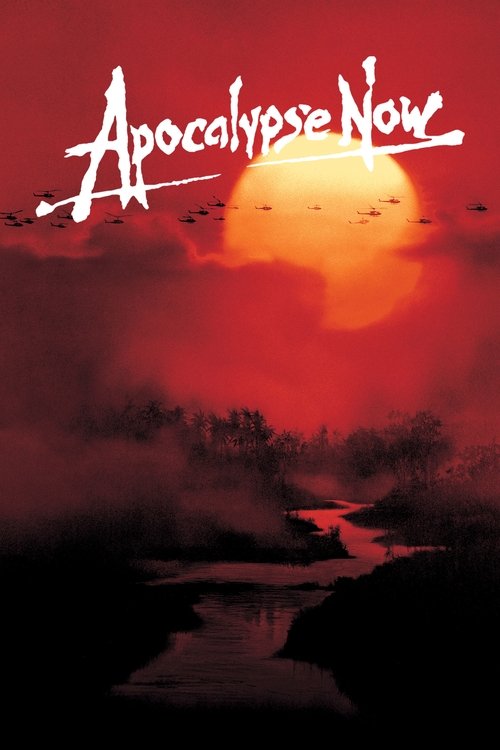
Francis Ford Coppola's visceral journey into the heart of darkness transcends the war genre, serving as a searing indictment of colonial hubris and the moral decay of conflict. Captain Willard's descent into the Cambodian jungle mirrors a descent into primal madness, questioning the very essence of civilization and humanity's capacity for unspeakable acts. It’s a hallucinatory, unforgettable meditation on sanity and savagery.