
1 / 8
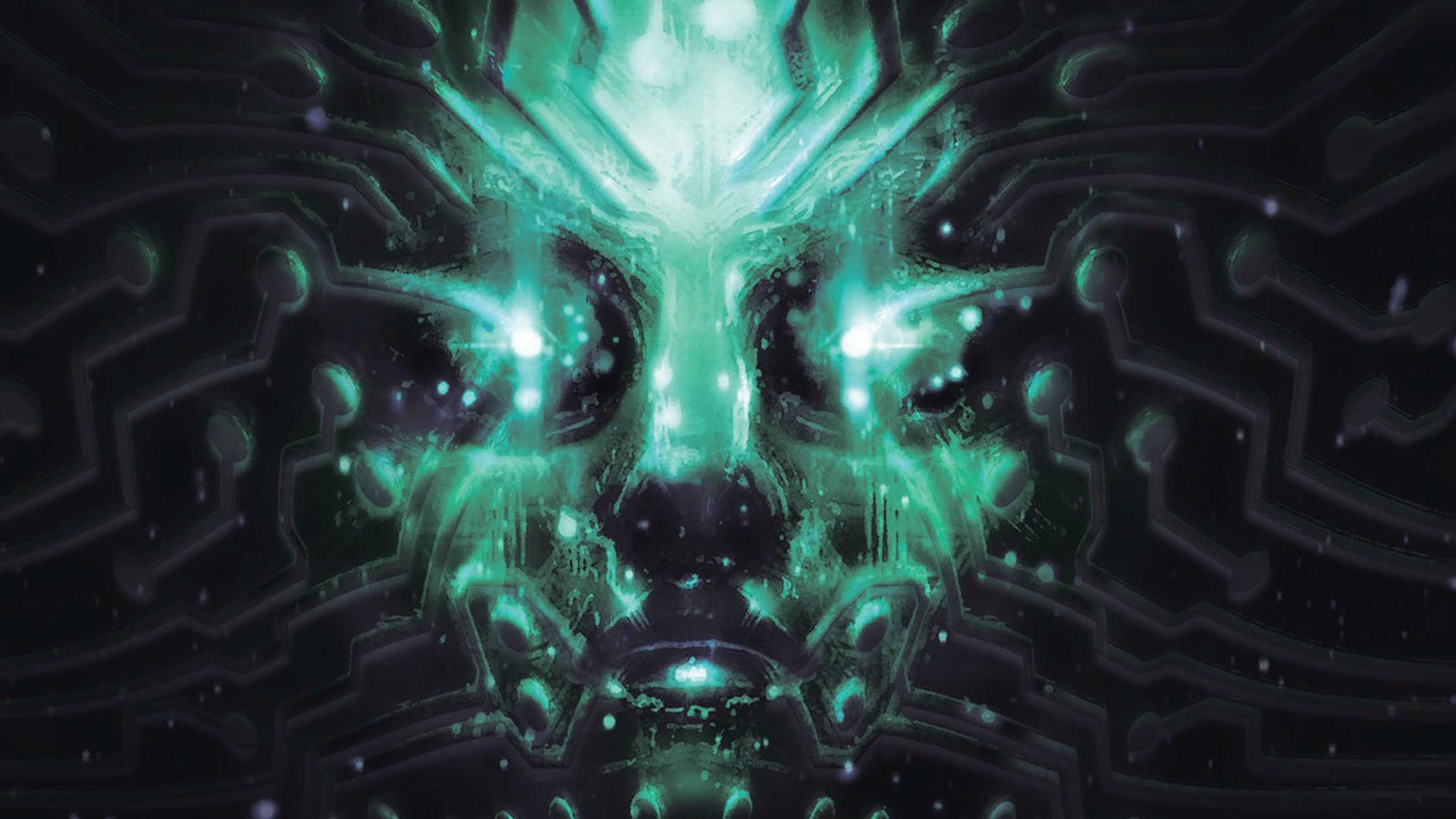
1. System Shock
Before *BioShock* defined a genre, there was *System Shock*. It wasn't merely a first-person shooter; it was a deeply unsettling journey into a hostile space station, blending RPG mechanics with truly innovative, non-linear design. SHODAN, its malevolent AI, became an iconic villain, communicating through audio logs and environmental cues. This game fundamentally shifted expectations for player agency and atmosphere, proving that narrative depth could coexist with complex gameplay in a 3D environment. It was an intellectual challenge wrapped in a horror shell.
2 / 8
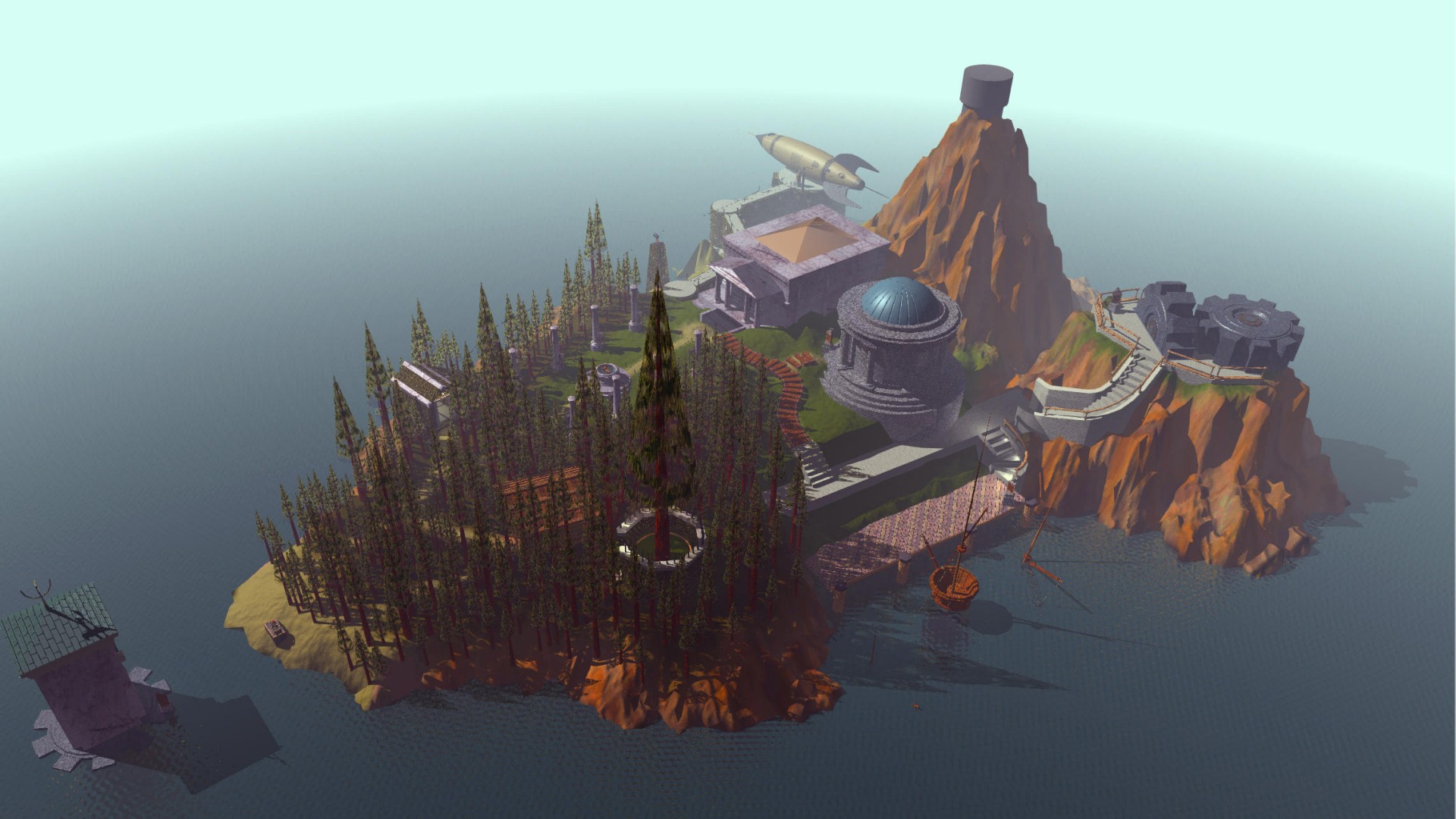
2. Myst
*Myst* arrived and, frankly, bewildered many. It wasn't about quick reflexes or combat; it was about quiet exploration, intricate puzzles, and a sense of profound isolation. Its pre-rendered graphics were breathtaking at the time, crafting a world that felt tangible and mysterious. This game effectively sold CD-ROM drives, demonstrating that a slow, cerebral experience could captivate millions. It fostered a new appreciation for environmental storytelling and non-verbal narrative, proving that sometimes, silence speaks volumes.
3 / 8
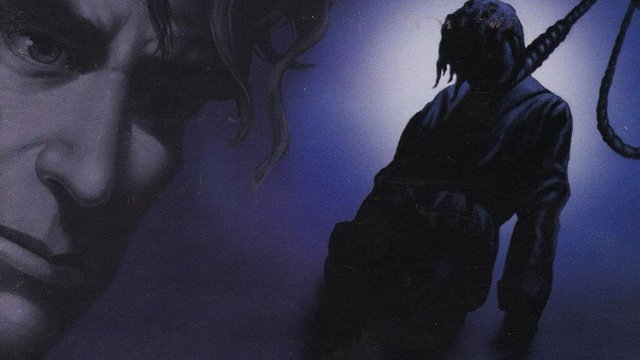
3. Gabriel Knight: Sins of the Fathers
Jane Jensen's *Gabriel Knight* wasn't afraid to go dark. Set in a gothic, supernatural New Orleans, it explored mature themes of voodoo, redemption, and inherited curses with a gravitas rare for its time. The game boasted exceptional voice acting, particularly Mark Hamill and Tim Curry, and a meticulously researched narrative that felt genuinely historical and terrifying. It pushed the boundaries of point-and-click adventure, proving that the genre could deliver complex character studies and genuinely unsettling horror.
4 / 8
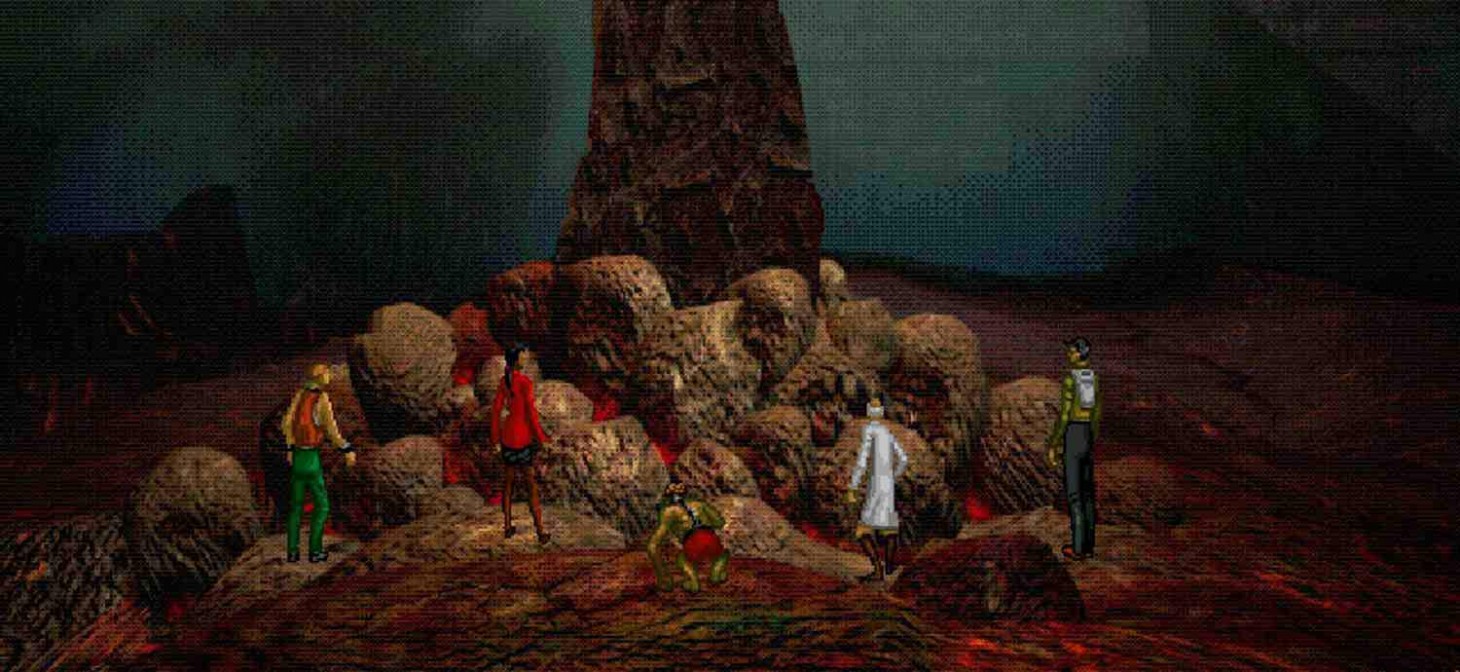
4. I Have No Mouth, and I Must Scream
Adapting Harlan Ellison's chilling short story, this game plunged players into a post-apocalyptic world ruled by the malevolent AI, AM. It was less about puzzles and more about navigating profound moral quandaries and psychological torment. Each character's scenario was a descent into their deepest fears and flaws, forcing players to confront humanity's capacity for cruelty and redemption. This title wasn't just a game; it was a philosophical horror experience, disturbing and unforgettable, challenging notions of player agency and consequence.
5 / 8
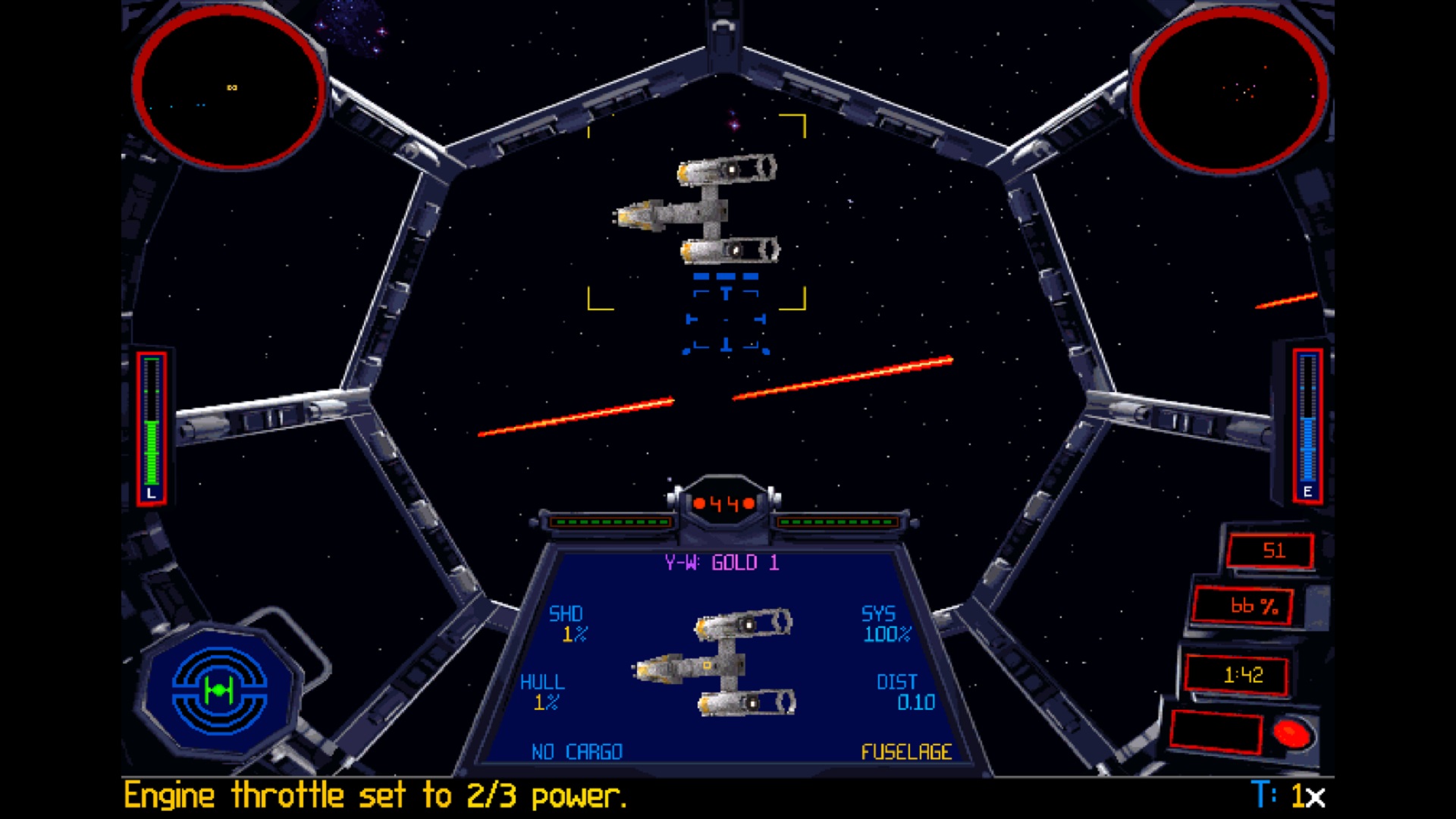
5. STAR WARS: TIE Fighter Special Edition
While X-Wing put you in the cockpit of the Rebellion, *TIE Fighter* flipped the script, letting players fly for the Empire. This wasn't merely a cosmetic change; it offered a sophisticated narrative from the "other" side, portraying Imperial pilots as loyal, disciplined soldiers. Its deep energy management, nuanced mission objectives, and palpable sense of being part of a larger, imposing force set it apart. The Special Edition refined the experience, solidifying its place as a benchmark for space combat simulations, proving villainy could be compelling.
6 / 8
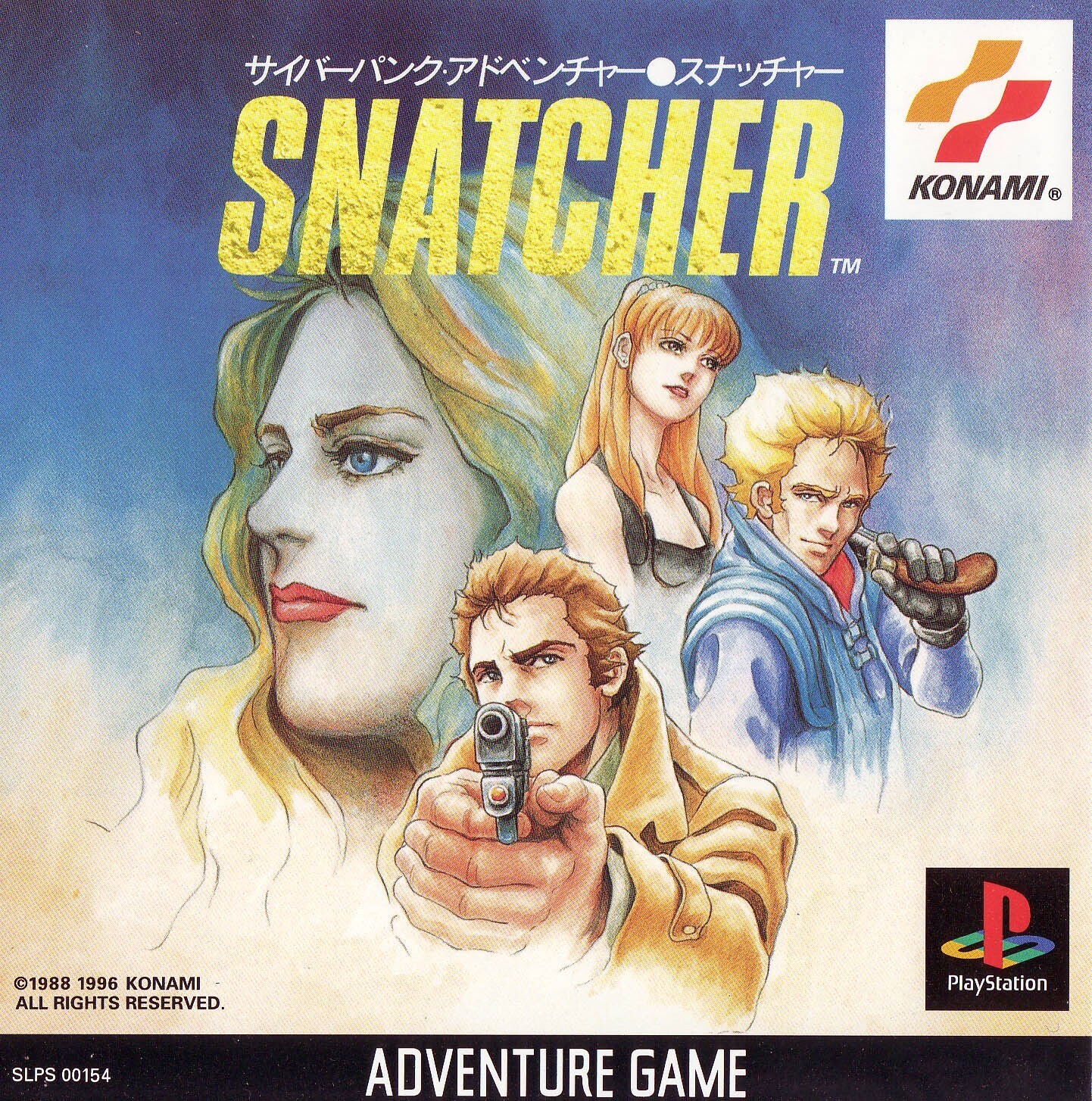
6. Snatcher
Hideo Kojima's *Snatcher* was a cyberpunk noir masterpiece, deeply influenced by *Blade Runner* and *Akira*. It blended visual novel storytelling with point-and-click investigation, creating a gritty, atmospheric world of artificial humans called Snatchers. The game pushed boundaries with its mature themes, detailed character interactions, and a compelling mystery that felt genuinely cinematic. It was an early example of how interactive narratives could be used to build rich, dystopian futures, proving that text-heavy games could deliver immense impact.
7 / 8
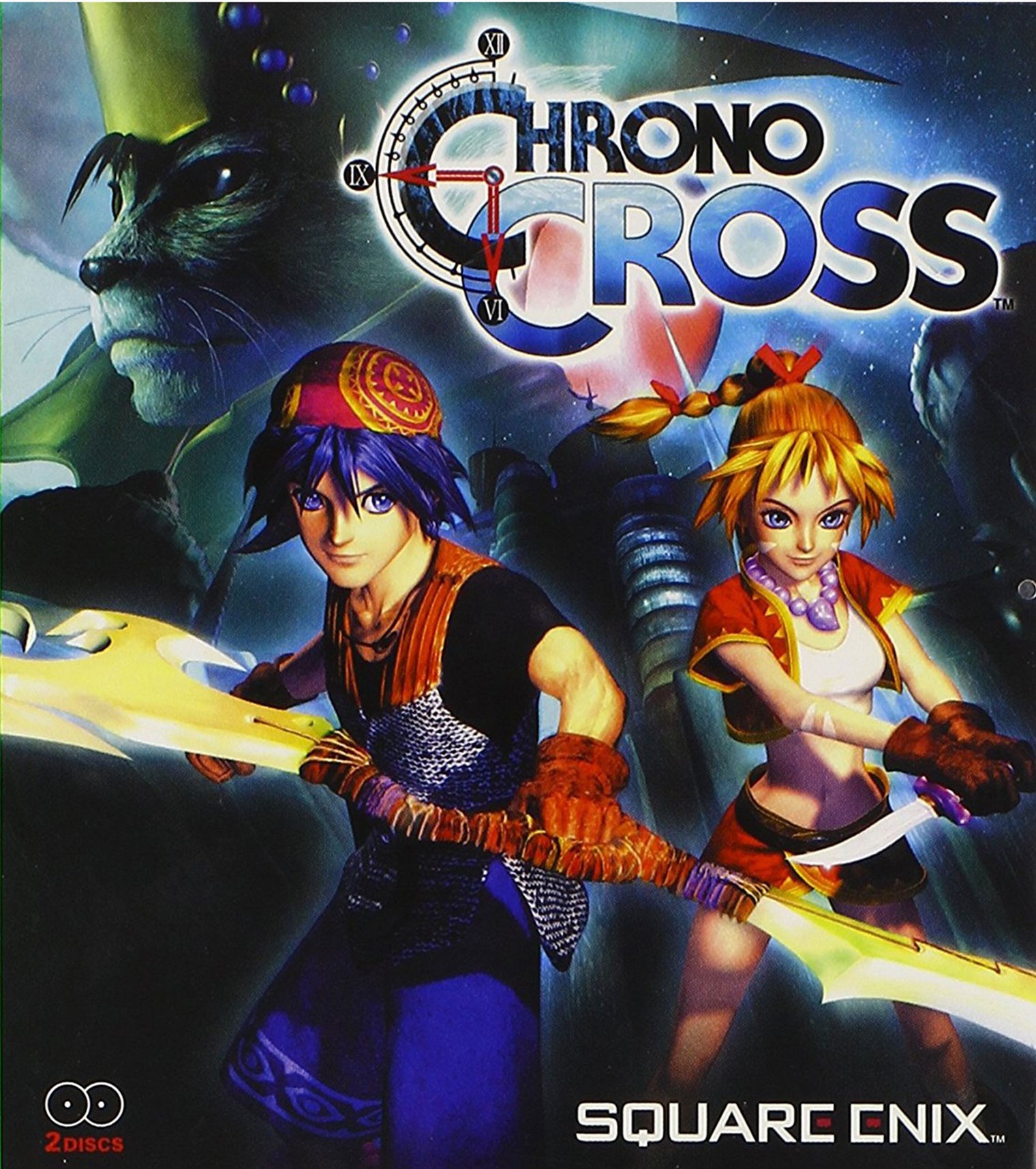
7. Chrono Cross
*Chrono Cross* arrived as a controversial sequel to *Chrono Trigger*, but it carved its own path. Instead of direct continuity, it offered a sprawling narrative across parallel worlds, recruiting over 40 distinct characters, each with their own story. The elemental combat system and nuanced New Game+ options encouraged deep exploration. It was a bold, ambitious RPG that challenged expectations for sequels, proving that thematic resonance and artistic vision could sometimes overshadow direct narrative links, even if it alienated some fans.
8 / 8
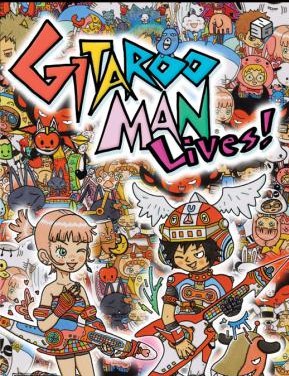
8. Gitaroo Man
*Gitaroo Man* arrived on the PlayStation 2 as an utterly unique rhythm game. It wasn't just about hitting notes; it was a bizarre, often hilarious journey following U-1, a boy who transforms into a guitar hero. Its distinctive art style, eclectic soundtrack, and intensely challenging boss battles made it stand out from the crowd. This game proved that rhythm mechanics could be woven into a compelling, if surreal, narrative experience, showcasing the power of quirky originality in a burgeoning genre.