
1. The Vanishing
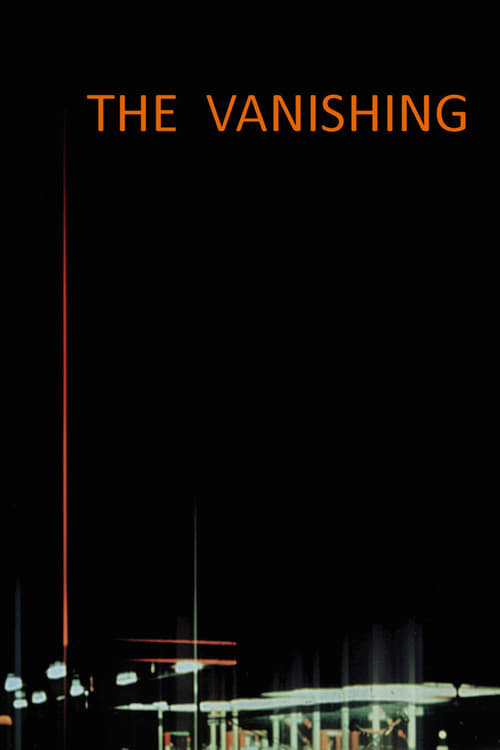
George Sluizer's original Dutch-French thriller is a masterclass in psychological torment, delving into the abyss of obsession. It isn't merely a missing person's story; it's a profound, disturbing exploration of why a man would pursue an answer at any cost, even his own humanity. The film’s slow-burn tension and utterly bleak conclusion leave an indelible mark, challenging viewers to confront the darkest corners of human curiosity and malevolence. This version’s power lies in its chilling restraint, making the remake feel superfluous.
2. Seconds
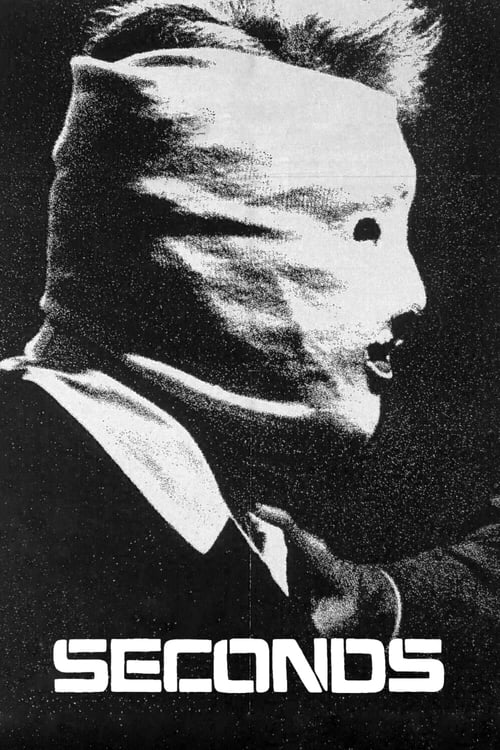
John Frankenheimer’s *Seconds* is a chilling, existential sci-fi thriller about a man given a second chance at life through radical surgery and identity change. Rock Hudson delivers a haunting performance as the protagonist who soon discovers that escaping his past self is far more complex than a new face. The film critiques consumerism and the illusion of reinvention, employing striking, often disorienting, cinematography that mirrors the character’s psychological disintegration. It's a prescient, unsettling vision of identity in an increasingly artificial world.
3. Street of Crocodiles
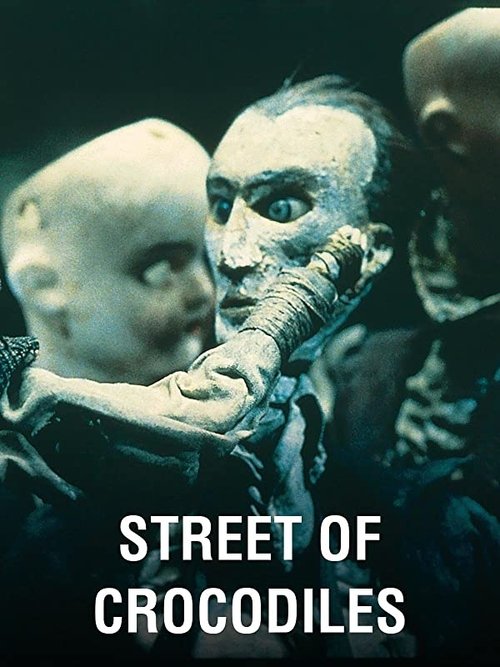
The Brothers Quay's *Street of Crocodiles* is a mesmerizing, deeply unsettling stop-motion animation that feels plucked from a forgotten nightmare. Inspired by Bruno Schulz's writings, it transports viewers into a decaying, labyrinthine world of dust, clockwork mechanisms, and fragmented dolls. The film’s intricate, tactile artistry and dreamlike narrative defy easy categorization, offering a rich tapestry of surrealism and melancholic beauty. It's an experimental masterpiece that proves animation can reach profound, disquieting depths beyond conventional storytelling, leaving an enduring, haunting impression.

4. Le Samouraï
Jean-Pierre Melville’s *Le Samouraï* is the definitive cool, minimalist crime film. Alain Delon’s Jef Costello, the stoic, impeccably dressed hitman, moves through a stark, almost monastic world governed by his own rigid code. Melville strips away sentimentality, focusing on ritual and fatalism with surgical precision. Every shot is meticulously composed, every gesture economical, creating a profound sense of isolation and predestination. It's a masterclass in atmospheric neo-noir, influencing countless filmmakers with its quiet intensity and existential dread.
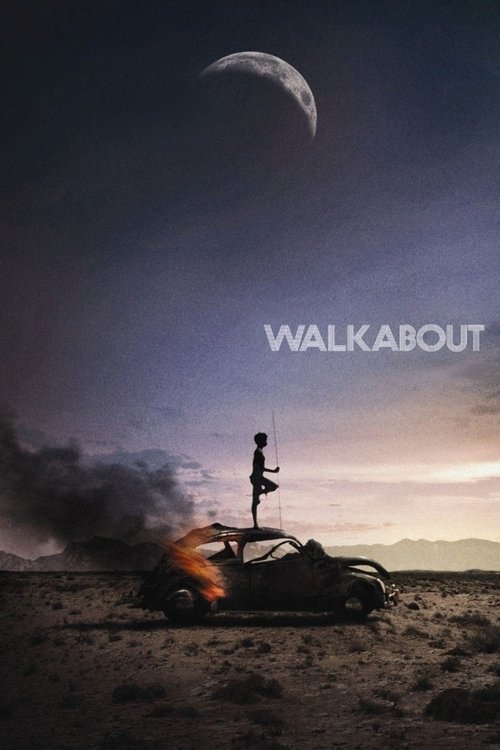
5. Walkabout
Nicolas Roeg’s *Walkabout* is a visually stunning, enigmatic tale of survival and cultural clash in the Australian outback. Two English children, stranded in the wilderness, are aided by an aboriginal boy on his walkabout. Roeg masterfully juxtaposes the innocence and corruption of civilization against the raw beauty and ancient rhythms of nature. The film is less a conventional narrative and more a sensory, poetic experience, rich with symbolic imagery and a profound sense of alienation. It’s an unforgettable, thought-provoking journey into humanity’s primal connections and disconnections.

6. Possession
Andrzej Żuławski’s *Possession* is a relentless, visceral explosion of marital collapse, paranoia, and something far more terrifying. Isabelle Adjani delivers a legendary, almost physically painful performance as Anna, whose increasingly erratic behavior spirals into a horrifying revelation. Filmed in a divided Berlin, the film itself feels fractured, chaotic, and aggressively psychological. It’s a descent into madness, a grand guignol of existential dread and body horror that defies easy explanation, demanding to be experienced for its sheer, uncompromising intensity.

7. Mikey and Nicky
Elaine May’s *Mikey and Nicky* is a raw, unflinching portrait of a toxic friendship spiraling into betrayal. John Cassavetes and Peter Falk deliver career-defining performances as two small-time gangsters, one on the run, the other his supposed confidante. May’s improvisational style imbues the film with an almost documentary-like authenticity, capturing the messy, pathetic realities of male camaraderie, fear, and paranoia. It’s a painfully intimate, often uncomfortable watch, a masterpiece of naturalistic acting and a testament to May's singular, underappreciated directorial vision.