
1. The Parallax View
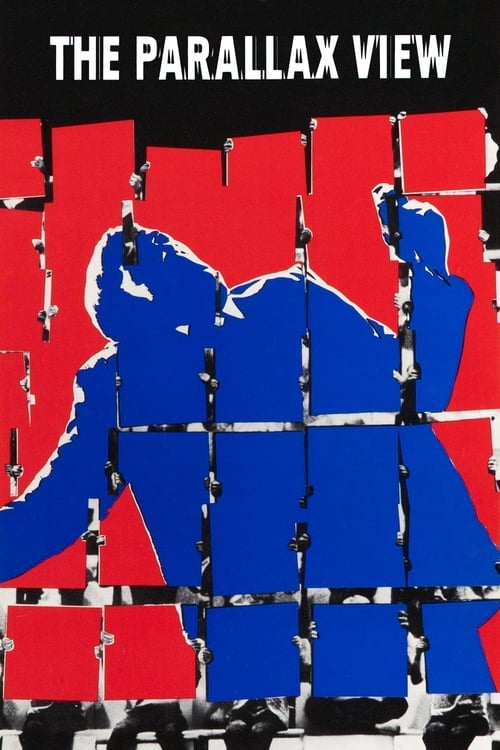
Alan J. Pakula's "The Parallax View" is a quintessential 1970s conspiracy thriller, a chilling reflection of post-Watergate disillusionment. Warren Beatty plays a journalist stumbling into a shadowy organization responsible for political assassinations. Its masterful slow-burn tension and stark, almost clinical cinematography create an oppressive atmosphere of unseen forces at play. The film’s prescient exploration of media manipulation and the erosion of truth feels more relevant now than ever, cementing its status as a foundational text in the political paranoia genre.

2. Tetsuo: The Iron Man
Shinya Tsukamoto's "Tetsuo: The Iron Man" is a visceral, unrelenting assault on the senses, a raw cyberpunk nightmare from 1989. This Japanese body horror masterpiece marries industrial aesthetics with grotesque Cronenbergian transformations, pushing the boundaries of experimental cinema. Its feverish, black-and-white photography and relentless pacing create a truly unique, disturbing vision of man's symbiotic, yet destructive, relationship with technology. The film's aggressive energy and thematic depth only grow more compelling with repeated viewings.

3. Killer of Sheep
Charles Burnett's "Killer of Sheep" from 1978 is a landmark of independent American cinema, a poetic and unflinching look at daily life in Watts. Shot on a shoestring budget, its neo-realist style captures the mundane struggles and quiet dignity of its working-class protagonist, Stan. The film’s episodic structure and non-professional actors lend an authentic, documentary-like feel, offering a profound, humanistic social commentary that transcends its specific time and place. Its rediscovery has only amplified its enduring power.
4. Seconds
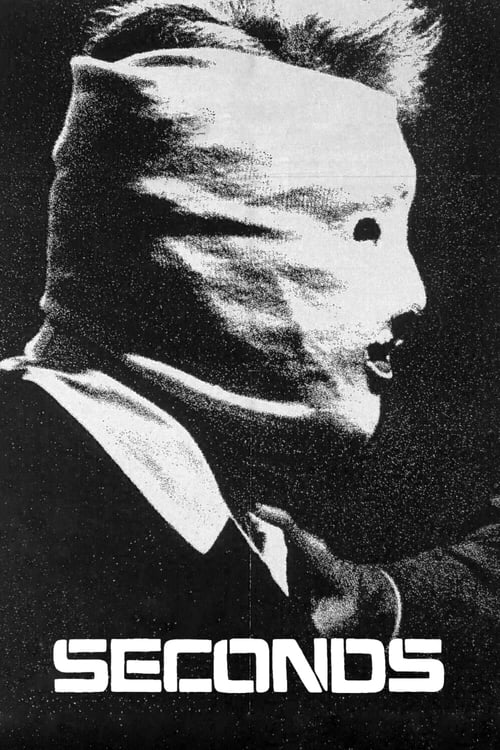
John Frankenheimer's "Seconds" (1966) is a chilling psychological thriller, a fascinating artifact of mid-century American anxiety. Rock Hudson, in a career-redefining role, plays a man who fakes his death to undergo radical plastic surgery and assume a new identity. The film’s striking cinematography, with its disorienting wide-angle lenses and fragmented editing, perfectly encapsulates the protagonist’s existential dread and the societal pressures of conformity. Its dark vision of identity and reinvention feels unsettlingly relevant today.

5. Trust
Hal Hartley's "Trust" (1990) is a quintessential independent film, a wry and deadpan exploration of alienated youth seeking connection. Adrienne Shelly and Martin Donovan deliver pitch-perfect performances as two social outcasts who find an unlikely, awkward bond. Hartley’s signature style – precise, often theatrical dialogue delivered with understated emotion – creates a unique, darkly humorous world. It’s a film that quietly observes the absurdities of human interaction, its idiosyncratic charm only deepening over time as a touchstone of 90s indie cinema.
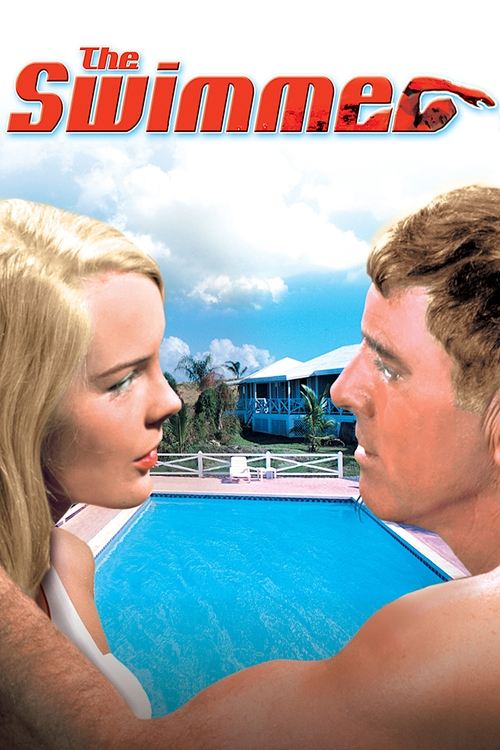
6. The Swimmer
Frank Perry's "The Swimmer" (1968) features a tour-de-force performance by Burt Lancaster as Ned Merrill, a man who decides to swim home through the backyard pools of his affluent suburban neighborhood. What begins as a whimsical journey gradually transforms into a deeply unsettling, surreal exploration of memory, regret, and the American dream's facade. The film's allegorical depth and Lancaster’s unraveling portrayal of a man clinging to past glories resonate more powerfully as societal illusions crumble, making it a truly unique cinematic experience.
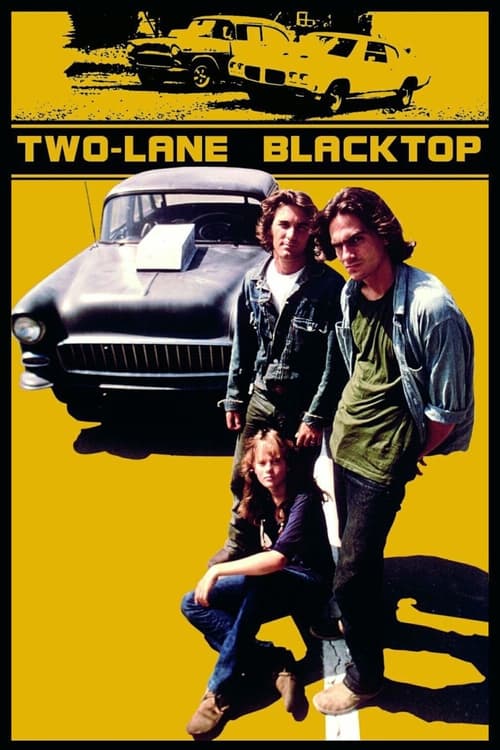
7. Two-Lane Blacktop
Monte Hellman's "Two-Lane Blacktop" (1971) is the quintessential existential road movie, a minimalist masterpiece that perfectly encapsulates the disillusionment of early 70s America. James Taylor and Dennis Wilson play two stoic drifters, racing their souped-up '55 Chevy across the country, their destination less important than the ceaseless journey itself. Its spare dialogue, documentary-like realism, and anti-narrative structure create a hypnotic, melancholic mood. The film's understated power and reflection of a countercultural ennui only deepen with each viewing.