
1 / 7
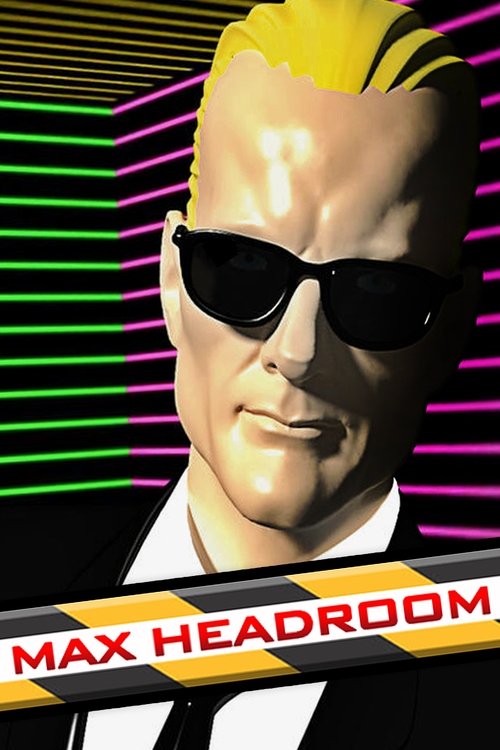
1. Max Headroom
This show was pure, unadulterated future shock. Max, all stuttering pixels and smarmy attitude, was like a digital punk rock star. The whole thing felt like a fever dream of corporate greed and media overload, wrapped in neon and bad reception. Practical effects, low-fi digital trickery, it had a look that screamed '80s but still feels unsettlingly prescient. A genuine broadcast anomaly that predicted too much.
2 / 7
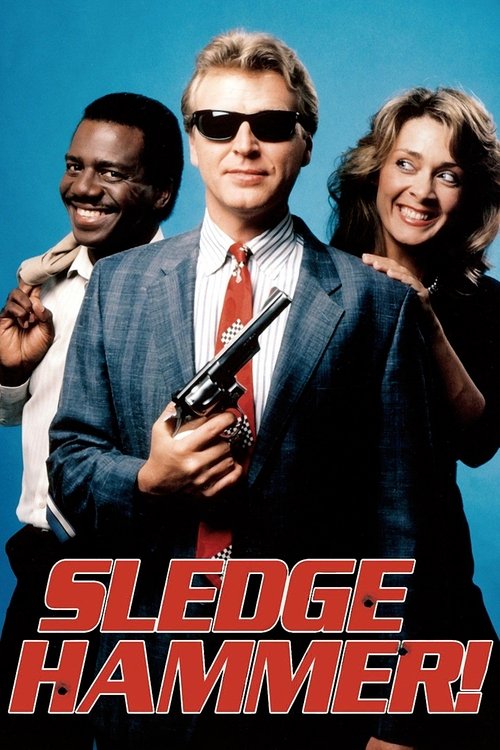
2. Sledge Hammer!
This wasn't your dad's cop show. Sledge Hammer was a deranged, gun-toting maniac, and the show reveled in the absurdity of it all. It was a pitch-black satire, pushing boundaries with every explosion and politically incorrect quip. You felt like you were watching something network TV probably shouldn't be airing, but thank god it did. Pure, unhinged genius, proving satire could be utterly brutal and hilarious.
3 / 7
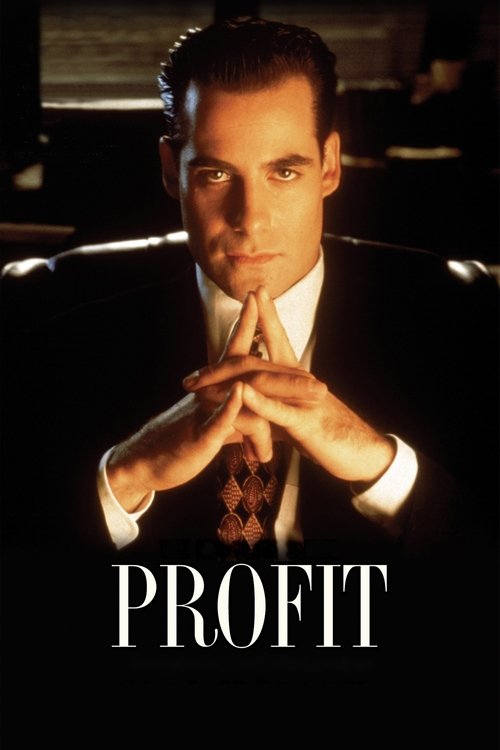
3. Profit
Profit was so ahead of its time, it probably scared the suits. Jim Profit was a corporate psychopath, and the show dared you to root for him. It was cynical, dark, and utterly unapologetic about its villainous protagonist. The narration, the sheer audacity of his schemes – it was like watching a supervillain origin story play out in a grim, cutthroat business world. A nasty piece of work, and brilliant for it.
4 / 7
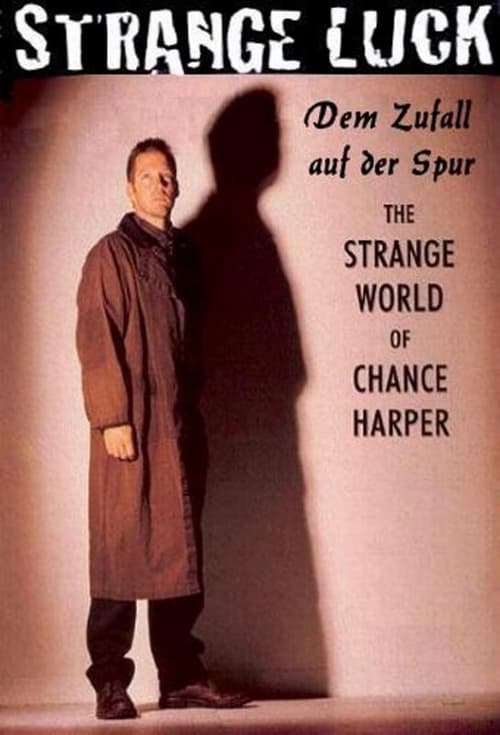
4. Strange Luck
This show was a head trip. Every episode, D.B. Sweeney's character stumbled through life, connected by some invisible, chaotic thread of coincidence. Was it fate? Random chance? The show never gave easy answers, just a pervasive, melancholic atmosphere and a sense that the universe was playing a long, strange game. It felt like a syndicated fever dream, always leaving you wondering about the unseen forces.
5 / 7
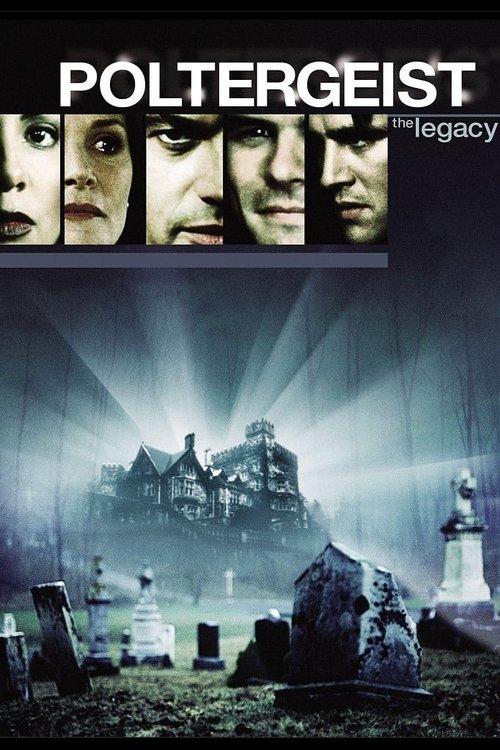
5. Poltergeist: The Legacy
Man, this one was a slow burn, but in a good way. A secret society battling supernatural evil from a spooky mansion? Sign me up. It was darker, more adult than most syndicated horror, leaning into ancient curses and creepy artifacts. The atmosphere was thick with dread, and the serialized elements gave it a depth that kept you coming back for more, even when the scares were subtle and insidious.
6 / 7

6. Forever Knight
A vampire cop in Toronto? This was the definition of proto-genre hybrid. Nick Knight, eternally tormented, trying to do good while battling his bloodlust, all set against a surprisingly gritty urban backdrop. It had that syndicated charm, a little rough around the edges, but full of heart and genuine angst. A moody, stylish, and utterly unique take on the vampire mythos that just worked so well.
7 / 7

7. V
After the miniseries, this show went full-on soap opera with laser guns. The Visitors were still terrifying, but the human resistance felt more desperate, more scrappy. You had those iconic reptilian reveal effects, the blatant allegory, and a sense of constant, visceral threat. It was maximalist sci-fi, political allegory, and cheesy dramatic tension all rolled into one glorious, reptilian package that captured my young imagination.