

1. Defunkt
This debut dropped like a chrome-plated meteor into the post-disco landscape, fusing James Brown's primal rhythmic instincts with jazz-fusion's improvisational edge. Joseph Bowie's trombone howled over Lester Bowie's brass arrangements, underpinned by a rhythm section that understood both the pocket and the precipice. It was a raw, muscular funk that dared to flirt with dissonance, predicting the downtown art-punk scene's appreciation for groove without sacrificing grit.

2. Lightning To The Nations 2020
Even if this 2020 issue is a modern remaster, the original 1980 recording remains the definitive statement. It was a raw, unpolished gem, one of the NWOBHM's most crucial artifacts. Sean Harris’s soaring vocals and Brian Tatler’s riffs, steeped in Sabbath but pushing a faster, more intricate attack, laid groundwork for an entire subgenre. The production, typical of early independent metal, just added to its visceral, untamed power. This album was pure, unadulterated proto-thrash.

3. Kollaps
This wasn't music; it was organized chaos. Einstürzende Neubauten dismantled conventional instrumentation, replacing it with pneumatic drills, scrap metal, and industrial detritus. The rhythmic backbone was less about a beat and more about percussive violence, creating a sonic landscape of urban decay and existential dread. It was less a listen and more an experience, a brutalist masterpiece that defined early industrial as an art form of sheer, uncomfortable innovation.
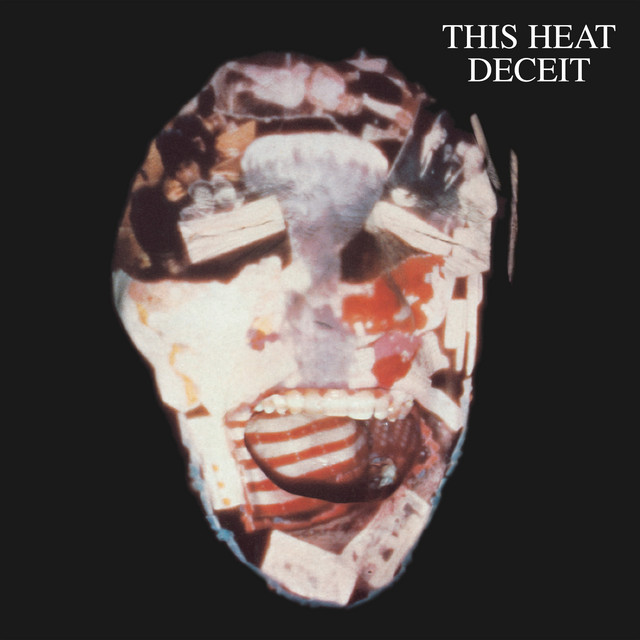
4. Deceit
This Heat's second album was a labyrinthine exploration of post-punk's outer limits. Its stark, minimalist approach to composition, combined with a relentless rhythmic tension, felt like a nervous breakdown captured on tape. The production, meticulously crafted despite its abrasive textures, highlighted the interplay of dub-inflected basslines, jagged guitars, and Charles Hayward's idiosyncratic drumming. It was a challenging, unsettling listen that blurred lines between art-rock and pure avant-garde.
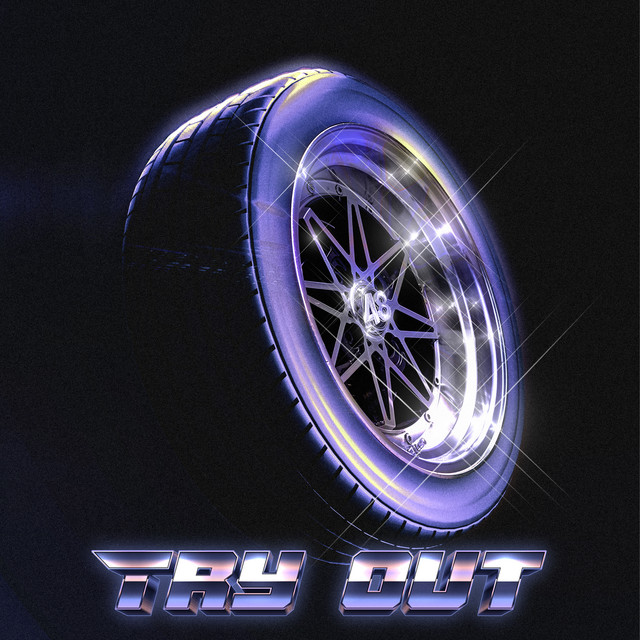
5. Try Out
Roger Troutman's talk box was revolutionary, but "Try Out" showcased Zapp's broader genius for slinky, space-age funk. The groove was undeniable, built on a foundation of fat analog synths, crisp LinnDrum programming, and a bassline that walked a tightrope between laid-back cool and insistent command. It was a definitive statement of electro-funk's emerging sound, where technology met the soulful swagger of the P-Funk empire, pushing boogie into new, synth-driven frontiers.
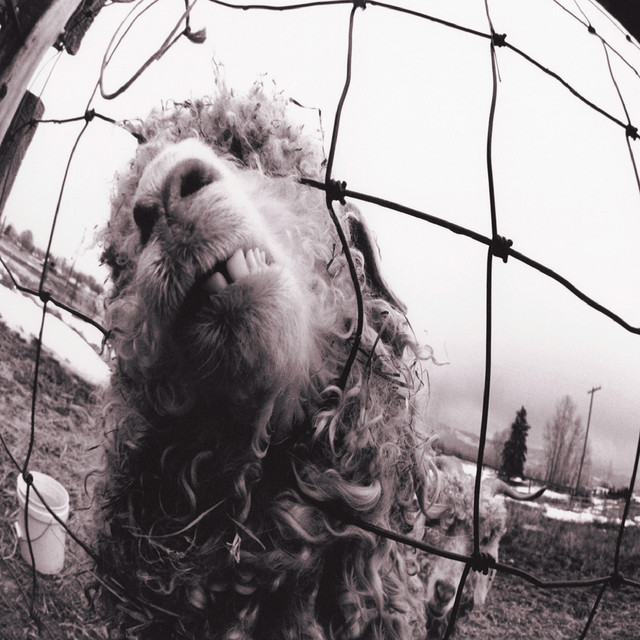
6. Vs.
Mission of Burma’s full-length debut solidified their place as post-hardcore architects. Roger Miller’s angular guitar work, Clint Conley’s driving bass, and Peter Prescott’s furious drumming created a coiled, propulsive energy. Martin Swope’s tape loops and sonic manipulations added an unsettling, psychedelic layer to their raw aggression. This wasn't just punk; it was cerebral, artful, and utterly relentless, a blueprint for intelligent noise that reverberated for decades.

7. Padlock
Gwen Guthrie's "Padlock" was a masterclass in post-disco sophistication, a track that breathed new life into the dancefloor. Larry Levan's production was immaculate, marrying a sparse, insistent drum machine pattern with a deep, undulating bassline and Guthrie's soulful, understated vocals. It had that quintessential Paradise Garage thump, a subtle sensuality that predated house music's full explosion, proving that true groove didn't need excess to be utterly captivating.