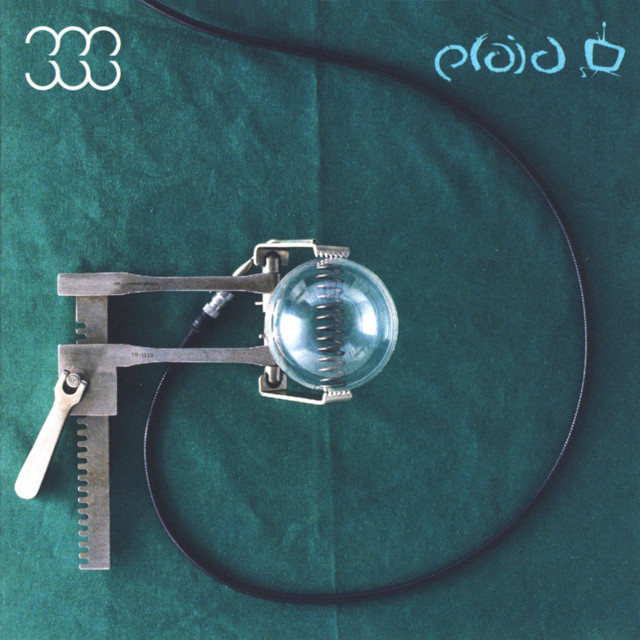
1. Not For Threes
Man, Plaid always felt like they were designing soundscapes for a future that hadn't quite arrived yet. *Not For Threes* from '98 just hummed with this intricate, almost organic digital warmth. It was IDM that wasn't just clever; it had heart, a genuine sense of curiosity. You could practically hear the circuits breathing, crafting these impossibly detailed rhythms and melodies that still sound fresh, a blueprint for intelligent electronic music that truly understood emotion.

2. Keep It like a Secret
Doug Martsch's guitar work on *Keep It Like a Secret* in '99? Absolutely iconic. It wasn't just indie rock; it was a masterclass in how to build sprawling, melodic narratives within concise song structures. The way those guitars intertwined, sharp and shimmering, felt like a secret whispered just to you, yet it screamed with a raw, undeniable power. This album cemented their place, proving that guitar-driven rock could still evolve, could still surprise, and resonate deeply.
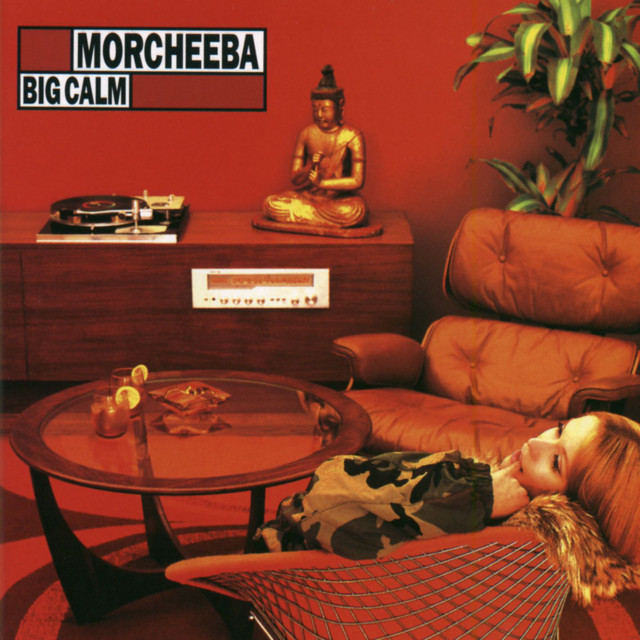
3. Big Calm
Morcheeba's *Big Calm* from '98 just owned that smoky, late-night vibe. Skye Edwards' voice was pure velvet, floating over these effortlessly cool, trip-hop grooves. It felt like the perfect sonic backdrop for navigating the digital age's burgeoning chill-out rooms, a sophisticated blend of bluesy melancholia and electronic smoothness. This wasn't just background music; it was an atmosphere you could walk into, a sonic blanket that still feels incredibly comforting and effortlessly stylish today.
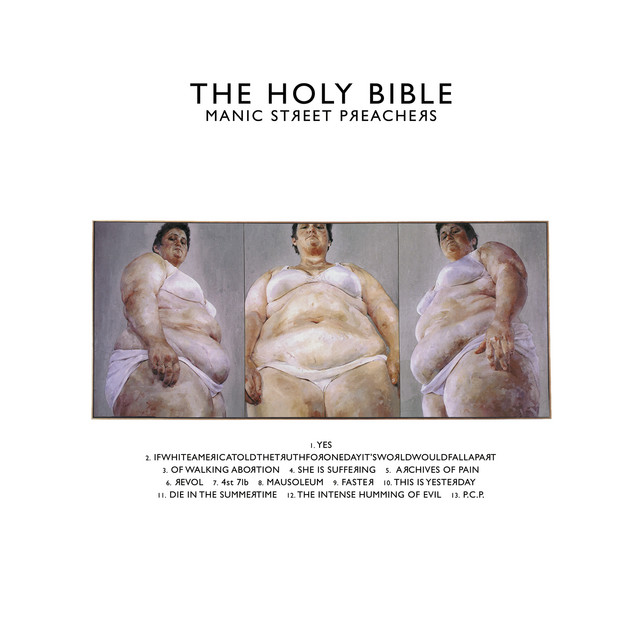
4. The Holy Bible 20 (Remastered)
Hearing *The Holy Bible* in its 2014 remastered form was like peeling back years of sonic grime to reveal its bleak, brilliant core. The '94 original was raw, but this version let the searing intensity and Richey Edwards' devastating lyrics cut through with renewed clarity. It amplified the album’s visceral anger and intellectual despair, ensuring its place as a monument to confrontational art, a stark, uncompromising vision that felt even more potent, more immediate, in a digital landscape.
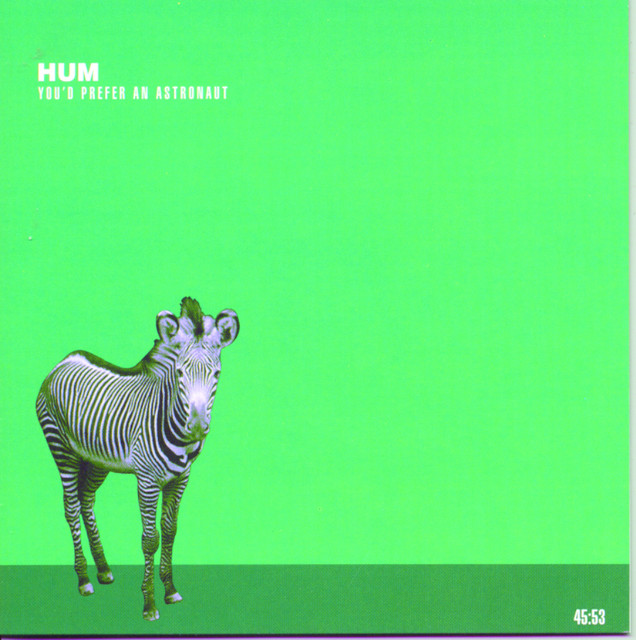
5. You'd Prefer An Astronaut
Hum’s *You’d Prefer An Astronaut* in '95 hit like a revelation. It was heavy, yes, but it wasn't just grunge; it was this swirling, atmospheric beast of an album. Matt Talbott's vocals soared above those impossibly thick, yet surprisingly melodic, guitar layers. It had a cosmic weight to it, a sense of vastness that felt perfectly aligned with the burgeoning internet's promise of infinite space. This album showed you could be crushingly loud and profoundly beautiful at the same time.
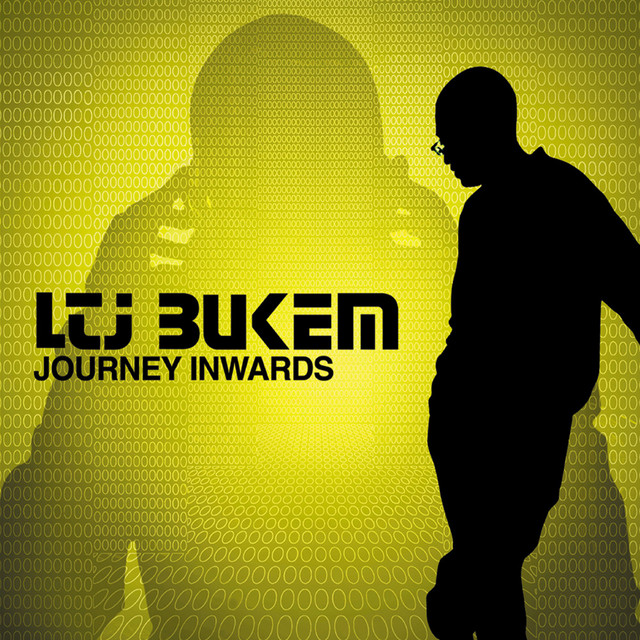
6. Journey Inwards
LTJ Bukem's *Journey Inwards* from '99 wasn't just drum and bass; it was a statement. It transcended the dancefloor, offering this incredibly sophisticated, atmospheric take on the genre. The intricate beats, the lush pads, the jazz influences – it all coalesced into something truly cinematic, a soundscape designed for deep listening rather than just frantic movement. Bukem showed how electronic music could be both intellectually stimulating and profoundly emotional, guiding you through a sonic universe.
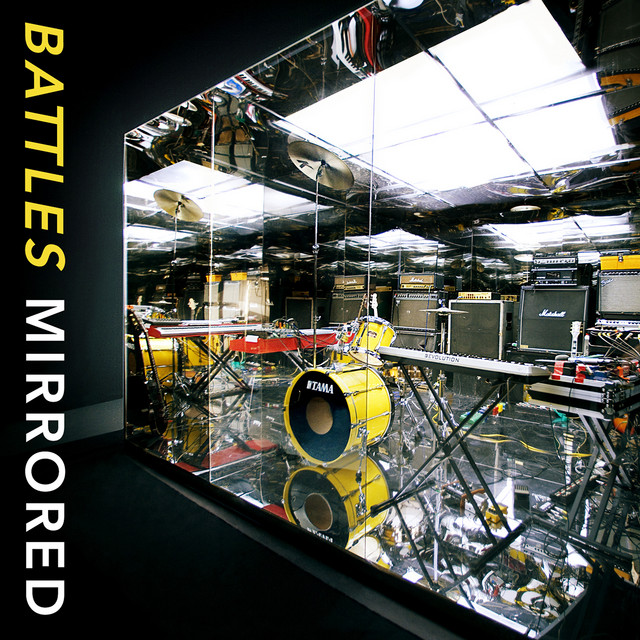
7. Mirrored
When *Mirrored* dropped in '07, Battles just blew the doors off what math rock could be. It was this dazzling, almost alien blend of intricate rhythms, looping guitars, and electronic textures that felt entirely new. Tyondai Braxton's vocals were another instrument, glitchy and hypnotic. It sounded like the future, a complex machine humming with unpredictable, organic life. This album wasn't just experimental; it was a masterclass in controlled chaos, challenging and exhilarating in equal measure.