


1. Chinatown
Polanski’s masterpiece remains a chilling testament to systemic corruption, where the rot isn't just in the soil but in the very foundations of power. Jack Nicholson's Jake Gittes navigates a labyrinthine Los Angeles, only to discover that some evils are too deeply entrenched, too pervasive, to ever truly be undone. It’s a film that dissects the American dream's darker underbelly, leaving a lingering sense of despair that feels perpetually relevant.
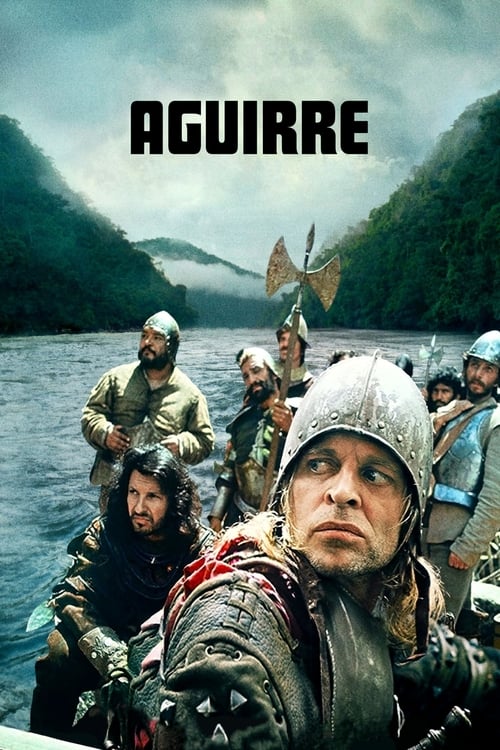
2. Aguirre, the Wrath of God
Werner Herzog's stark vision plunges us into the Amazonian jungle, where Klaus Kinski's Aguirre, consumed by hubris, leads his expedition into a horrifying descent into madness. This isn't merely an adventure tale; it's an uncompromising study of human obsession, the futility of conquest, and nature's indifferent majesty. Herzog masterfully crafts an unforgettable, feverish dream of colonial ambition gone catastrophically awry.

3. The Grapes of Wrath
John Ford’s adaptation of Steinbeck’s seminal novel powerfully chronicles the plight of the Joad family, dispossessed and seeking hope during the Great Depression. It is an empathetic, unvarnished portrait of human resilience against overwhelming economic hardship and social injustice. The film's enduring power lies in its ability to humanize grand societal struggles, reminding us of the dignity found even in profound suffering.

4. Nomadland
Chloé Zhao’s quiet epic captures the contemporary spirit of American transience, following Fern (Frances McDormand) as she navigates life on the road after economic collapse. It’s a poignant, meditative reflection on community, solitude, and the redefinition of "home" in an increasingly precarious world. The film beautifully intertwines personal narrative with broader societal shifts, offering a deeply humanistic perspective on modern existence.
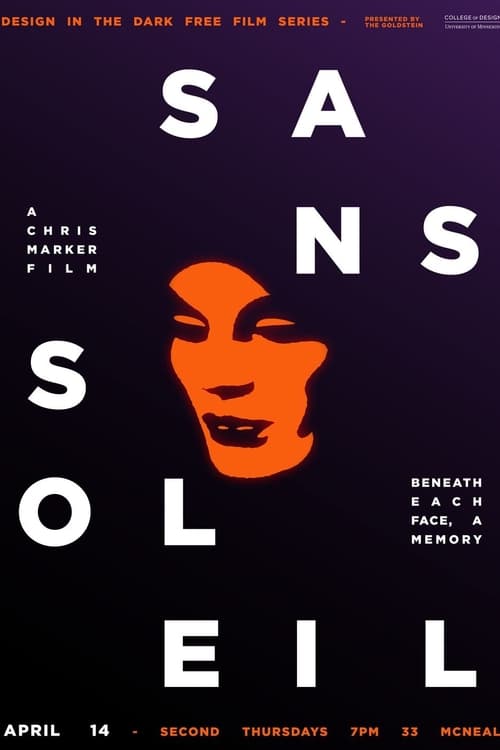
5. Sans Soleil
Chris Marker's essay film transcends conventional documentary, weaving a tapestry of images and reflections from across the globe, particularly Japan and Guinea-Bissau. It’s a profound meditation on memory, time, and the subjective nature of perception, narrated by an unnamed woman reading letters from a globe-trotting cameraman. Marker invites us to question how we see, remember, and ultimately understand our fragmented world.
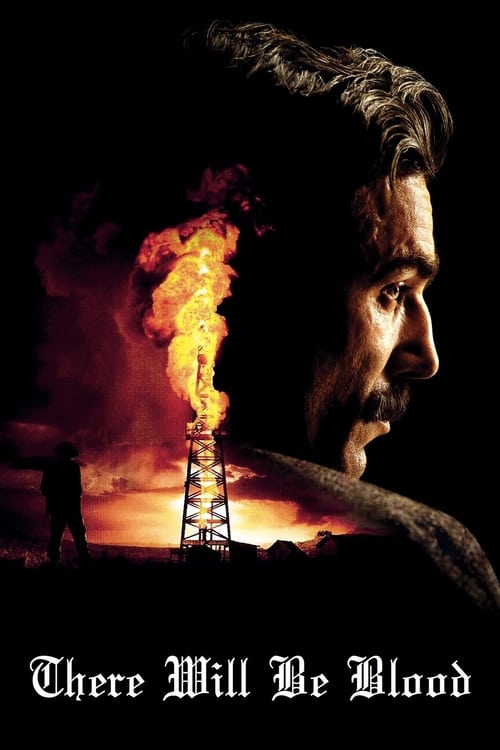
6. There Will Be Blood
Paul Thomas Anderson’s sprawling epic dissects the American myth of self-made success through Daniel Plainview, a ruthless oilman. It’s a brutal examination of capitalism's corrosive effect on the human soul, where ambition devours all decency, leaving only a wasteland of isolation. Plainview’s relentless pursuit of wealth becomes a chilling parable for the destructive, isolating forces shaping a nation and its individuals.