

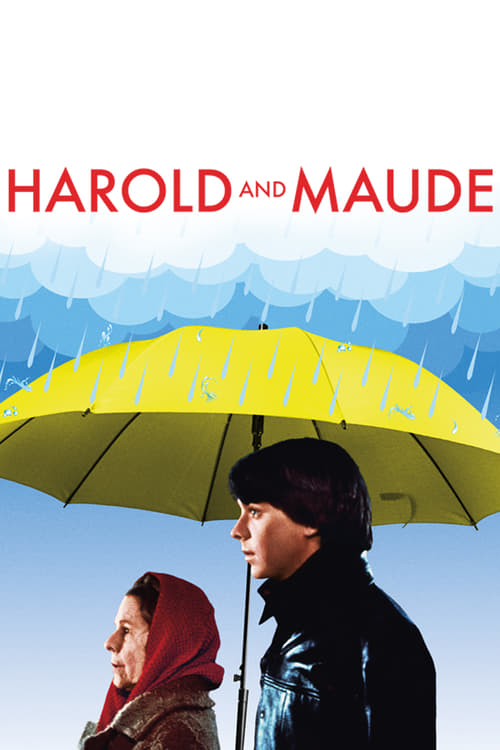
1. Harold and Maude
Hal Ashby's 1971 dark comedy, "Harold and Maude," defies conventional romance, pairing a death-obsessed young man with an octogenarian woman. It is a profound, albeit quirky, meditation on life, mortality, and the liberating power of embracing one's true self. Ashby crafts a world where the macabre intertwines with the deeply whimsical, challenging societal expectations with a defiant, joyous spirit that remains resonant.
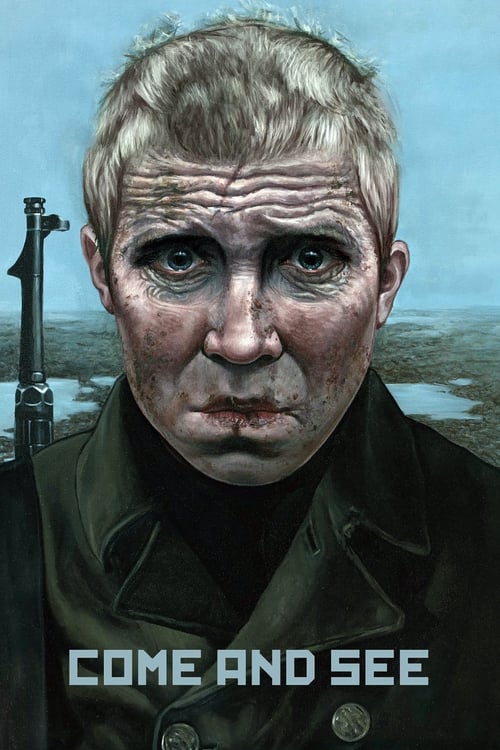
2. Come and See
Elem Klimov's 1985 "Come and See" is an unflinching, visceral portrayal of World War II's Eastern Front, seen through the eyes of a young Belarusian boy. It is less a war film than a descent into the psychological abyss of conflict, using surrealism and a harrowing realism to convey the dehumanizing horror. The film's impact is profound and indelible, a stark, necessary testament to suffering, demanding witness.
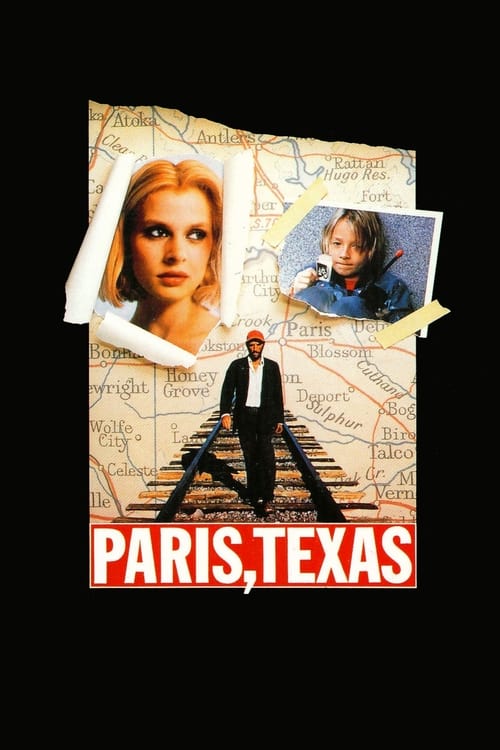
3. Paris, Texas
Wim Wenders' 1984 "Paris, Texas" is a melancholic road movie, a haunting exploration of American identity and estrangement. Travis, emerging from the desert, seeks to reconnect with a past he barely remembers, framed by Robby Müller's indelible cinematography and Ry Cooder's evocative score. It's a journey of quiet desperation and tentative reunion, capturing the vast, lonely beauty of the American West and the human search for belonging.

4. Brazil
Terry Gilliam's 1985 "Brazil" is a wildly imaginative, darkly comedic dystopian satire, a bureaucratic nightmare that feels perpetually prescient. Its protagonist, Sam Lowry, dreams of escape from an oppressive, inefficient system while navigating a labyrinthine world of tubes, forms, and endless paperwork. Gilliam's unique visual flair and biting social commentary create a surreal, unsettling, yet strangely beautiful vision of a future suffocated by its own mechanisms.
5. The Vanishing
George Sluizer's original 1988 Dutch-French "The Vanishing" (Spoorloos) is a masterclass in psychological dread. It follows Rex's obsessive search for his girlfriend, who mysteriously disappears at a gas station. The film meticulously builds tension not through jump scares, but through the chilling exploration of human curiosity and malevolence, culminating in an ending so utterly bleak and unforgettable it redefined the thriller genre.

6. Picnic at Hanging Rock
Peter Weir's 1975 "Picnic at Hanging Rock" is less a mystery to be solved and more an atmospheric immersion into the unsettling unknown. Its tale of schoolgirls disappearing during an outing in the Australian bush evokes a profound sense of colonial unease and the inscrutability of nature. Weir crafts a hypnotic, dreamlike narrative, where the landscape itself becomes a character, holding secrets never to be fully revealed, leaving an indelible, haunting impression.