
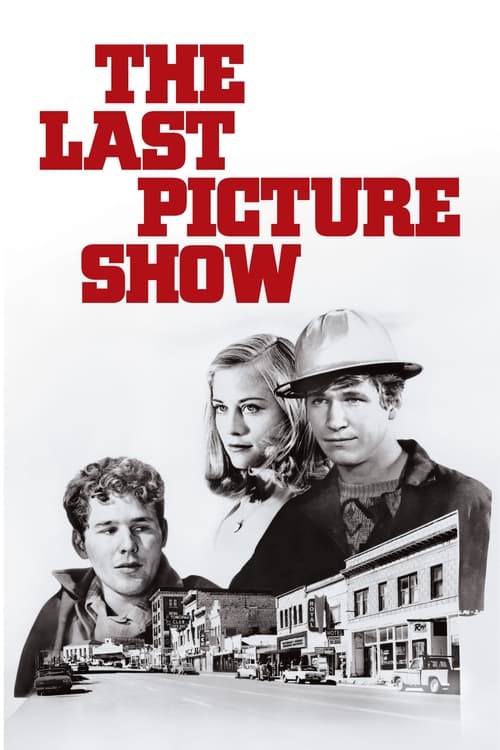
1. The Last Picture Show
Bogdanovich’s 1971 masterpiece is a stark, black-and-white elegy to a dying Texas town and the fading innocence of its youth. It captures a profound sense of melancholia, where dreams shrivel under the vast, indifferent sky. The film isn't just about growing up; it's about the erosion of a way of life, rendered with an austere beauty that feels both timeless and deeply specific to its era. Its unvarnished honesty about human frailty and fleeting connections remains potent.
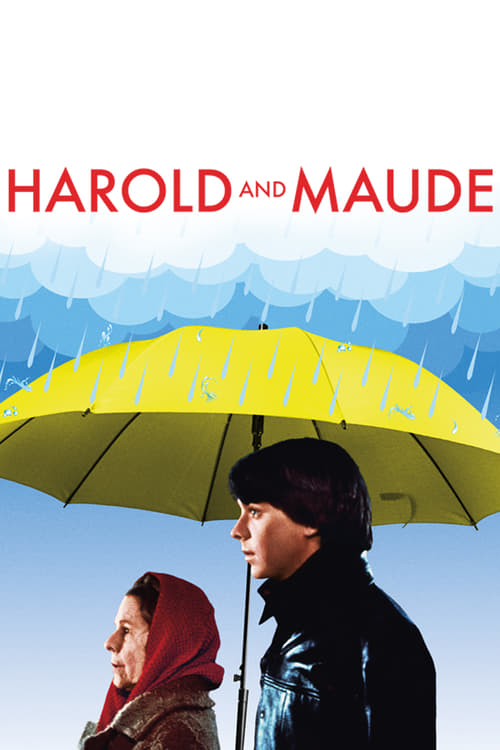
2. Harold and Maude
Hal Ashby's 1971 black comedy is a singular, life-affirming declaration against convention. It follows the morbid Harold and the vivacious, octogenarian Maude as they forge an unlikely, profound connection. This film champions individuality and embracing life’s eccentricities, finding joy in the most unexpected places. Its dark humor is perpetually undercut by a profound tenderness and a refusal to conform, making it a cult classic that still resonates with an anarchic spirit.
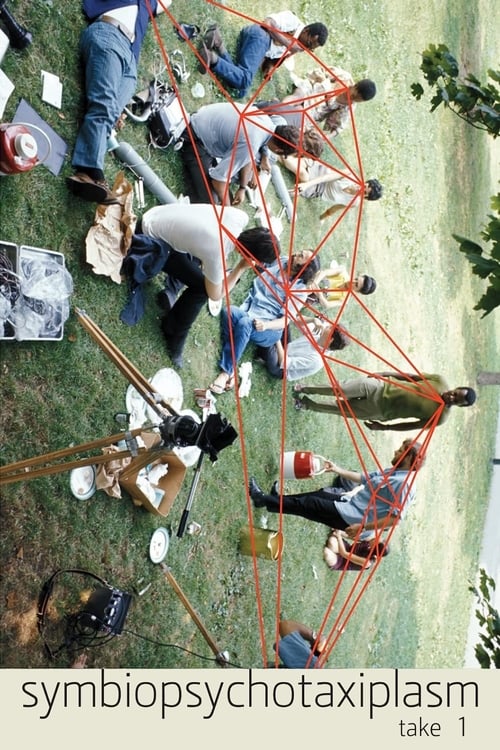
3. Symbiopsychotaxiplasm: Take One
William Greaves' 1968 experimental documentary is a dazzling, self-reflexive puzzle. It's a film about making a film, observing the director, the actors, and the crew as they navigate a bewildering production. Greaves orchestrates a fascinating dissection of cinematic truth and manipulation, blurring lines between performance and reality. This radical work challenges the very nature of documentary, revealing the layers of artifice inherent in any creative endeavor. It’s a mind-bending, meta-cinematic experience.
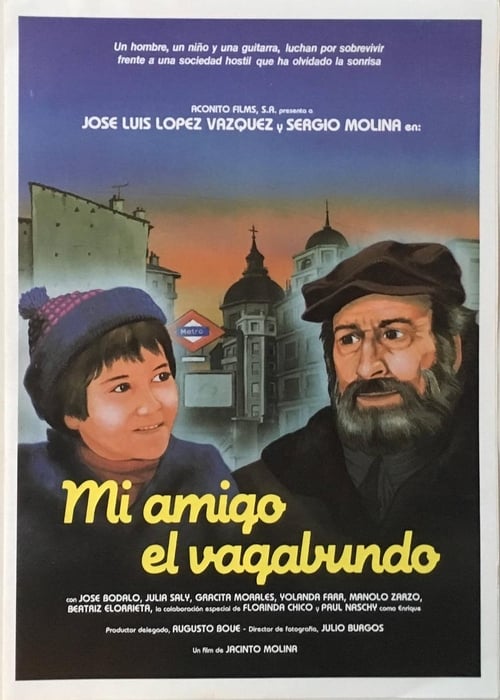
4. My Friend the Vagabond
William C. Faure's 1984 South African drama chronicles the unlikely bond between a young boy and an older, enigmatic drifter. Set against a stark landscape, the film explores themes of companionship, survival, and the search for belonging in a society grappling with its own divisions. It offers a poignant, understated look at human connection, highlighting the quiet dignity found in unexpected friendships. This is a powerful, yet often overlooked, piece of South African cinema history.
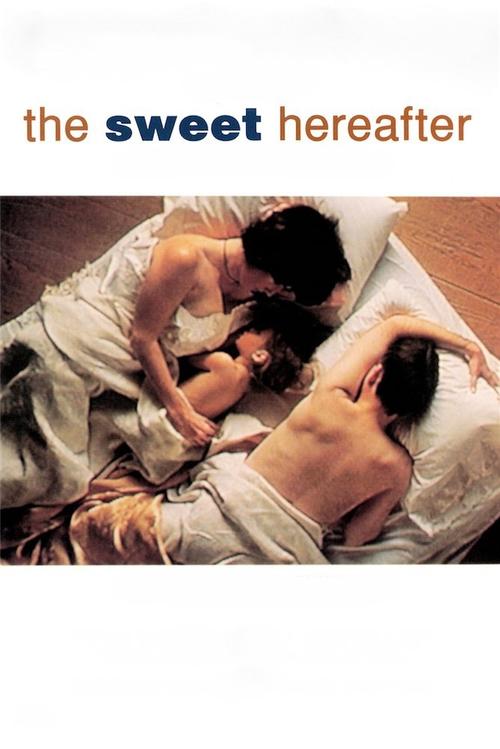
5. The Sweet Hereafter
Atom Egoyan's 1997 masterpiece is a chilling, poetic examination of collective grief and trauma in a small, isolated Canadian town. After a devastating bus accident, a lawyer arrives to seek justice, uncovering a labyrinth of fractured memories and unspoken sorrows. Egoyan masterfully constructs a non-linear narrative, mirroring the disoriented state of its characters. The film’s quiet intensity and profound emotional resonance create a haunting, unforgettable meditation on loss and the enduring search for truth.
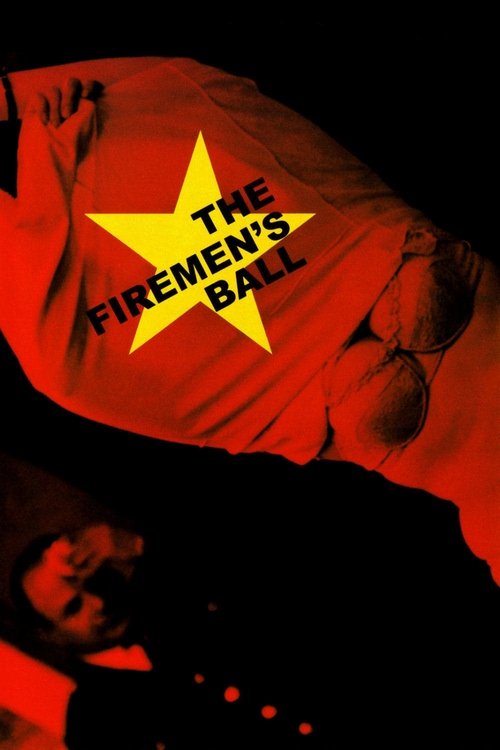
6. The Firemen's Ball
Miloš Forman's 1967 Czechoslovakian New Wave gem is a brilliant, farcical satire of incompetence and bureaucracy. Set during a chaotic firemen's ball, the film meticulously observes human foibles, from a rigged raffle to a bungled beauty pageant. It’s a masterclass in observational comedy, subtly critiquing the systemic disarray of the era without ever resorting to overt political statements. Its humor is universal, yet deeply rooted in a specific time and place, showcasing Forman's early genius.