

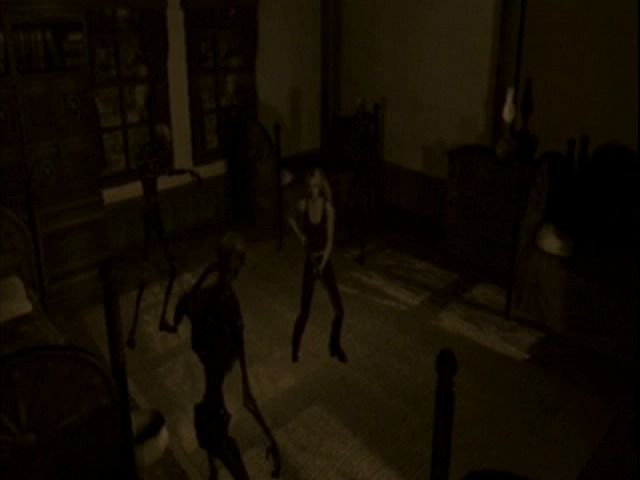
1. Eternal Darkness: Sanity's Requiem
Released on the GameCube, Eternal Darkness carved a niche by directly assaulting player perception. It wasn't just a horror game; it meticulously integrated a sanity meter that, when low, introduced fourth-wall-breaking effects. Controllers would 'unplug,' save files would 'corrupt,' and system messages would appear, all designed to make players question what was real within the game's world and their own. This innovative psychological manipulation proved that horror could transcend jump scares, leaving a lasting impact on interactive storytelling.
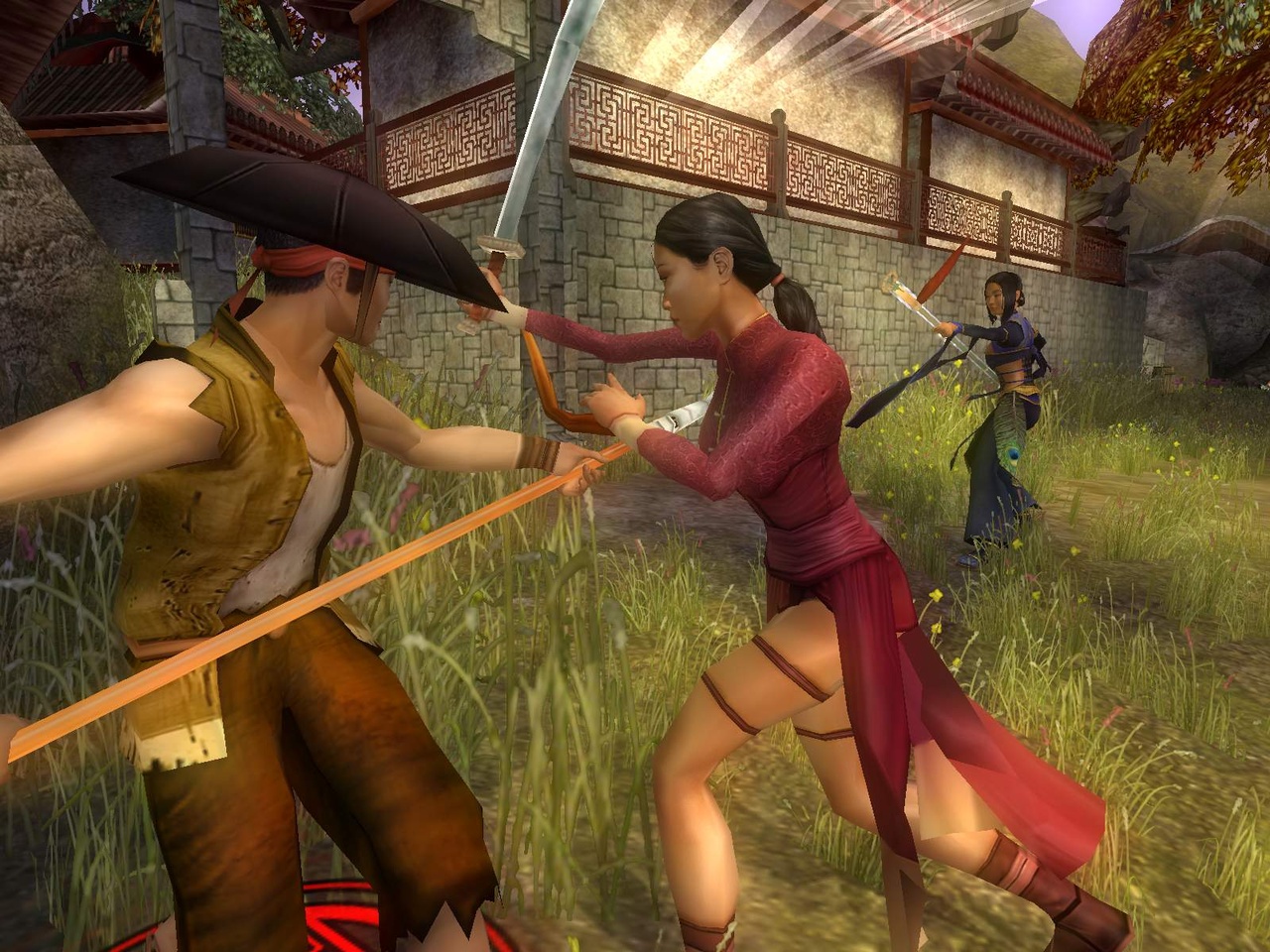
2. Jade Empire
BioWare’s 2005 martial arts RPG, Jade Empire, often feels like a forgotten gem amidst their more famous Western-fantasy and sci-fi epics. Yet, its vibrant, myth-infused ancient China setting offered a refreshing departure, providing a distinct aesthetic and narrative foundation. The hybrid action-RPG combat system, allowing players to fluidly switch between fighting styles, was ahead of its time, offering a more direct, engaging experience than many contemporaries. It stands as a testament to BioWare's willingness to explore diverse cultural backdrops.
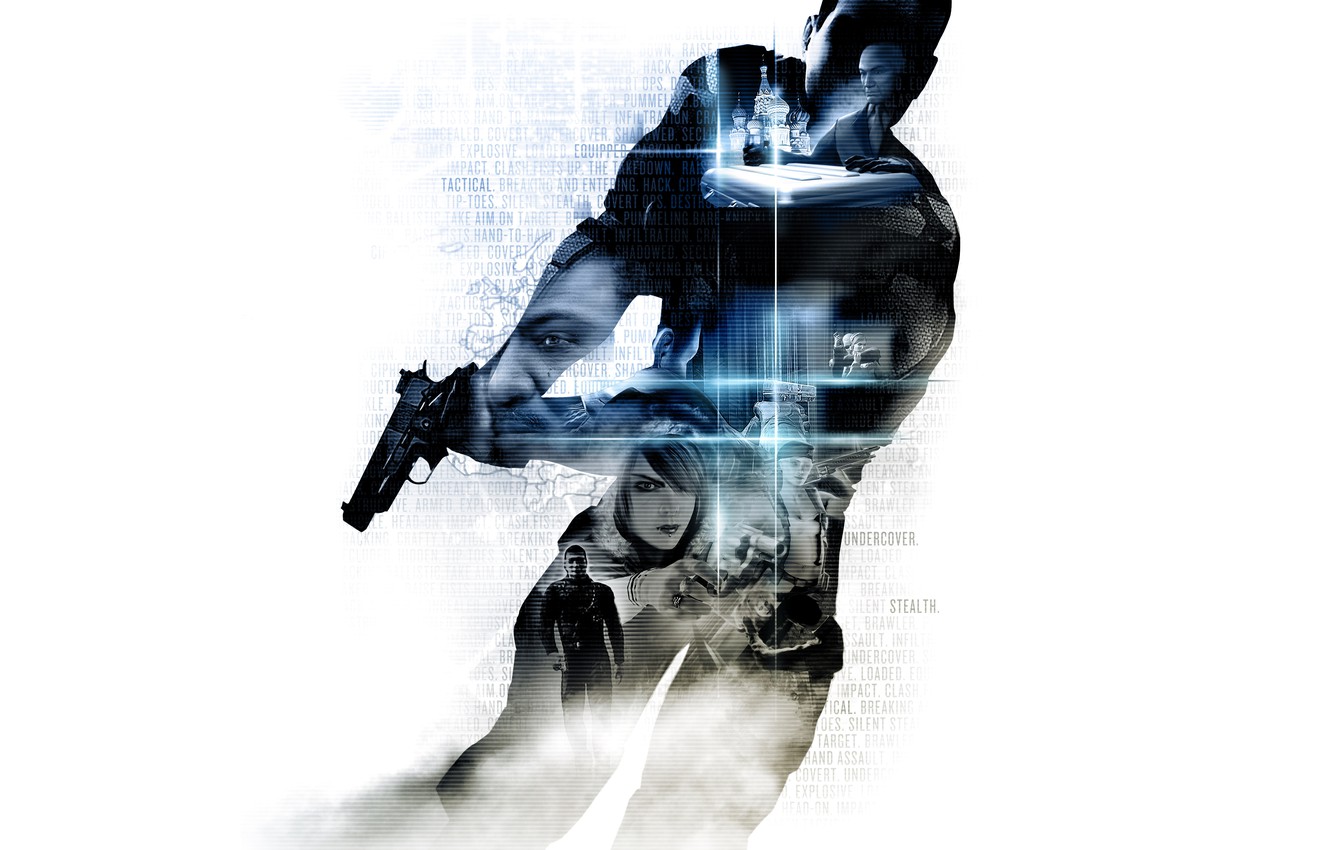
3. Alpha Protocol
Obsidian Entertainment's Alpha Protocol, launched in 2010, arrived with a reputation for jankiness, yet beneath its technical flaws lay a profoundly ambitious spy RPG. It allowed players unprecedented freedom in shaping their super-agent's persona and mission outcomes, where dialogue choices and actions had tangible, often surprising, consequences across branching narratives. The game’s commitment to player agency, coupled with its nuanced portrayal of espionage, demonstrated a boldness in design that few titles dared to replicate, earning it a cult following for its ingenuity.
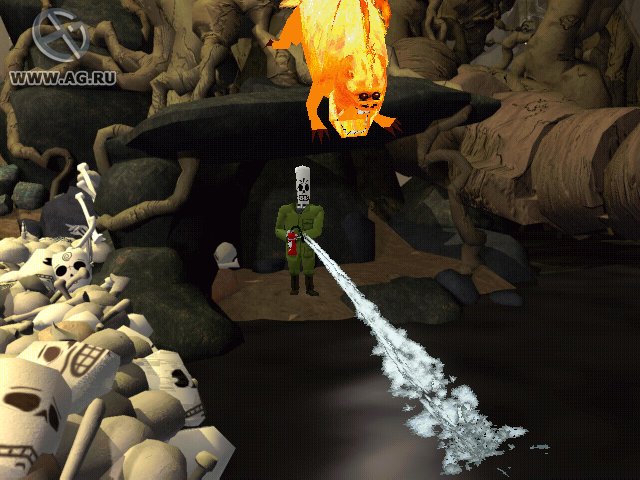
4. Grim Fandango
Grim Fandango, LucasArts' 1998 adventure, didn't just tell a story; it created an entire, captivating world inspired by Aztec afterlife beliefs and film noir aesthetics. Its characters, rendered in a striking Día de los Muertos style, navigated a bureaucratic underworld with sharp wit and complex motivations. The game’s blend of intricate puzzles, memorable dialogue, and a genuinely unique setting pushed the boundaries of the point-and-click genre, proving that narrative depth and artistic vision could elevate a game beyond simple mechanics into a timeless cultural piece.
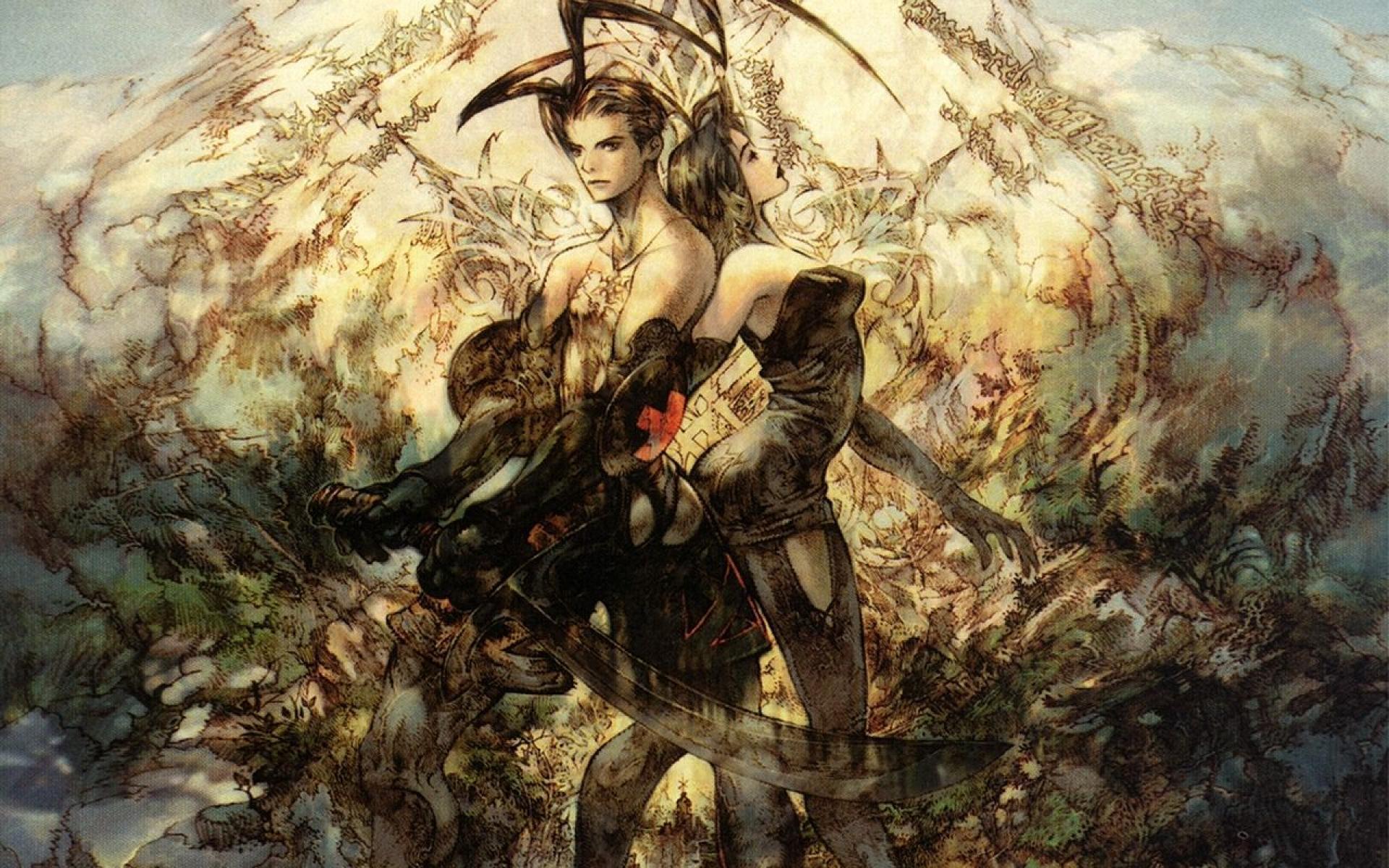
5. Vagrant Story (2000)
Released in 2000, Square's Vagrant Story defied easy categorization, presenting a dark, intricate action RPG experience. Set in the city of Leá Monde, it eschewed traditional party systems for a lone protagonist, Ashley Riot, and introduced a complex weapon crafting and affinity system. Combat revolved around chaining attacks and targeting specific body parts, demanding strategic precision. Its mature narrative, exquisite art direction, and deep mechanics, all contained within a single-player, non-linear dungeon crawler, showcased a bold, experimental approach to console RPG design.
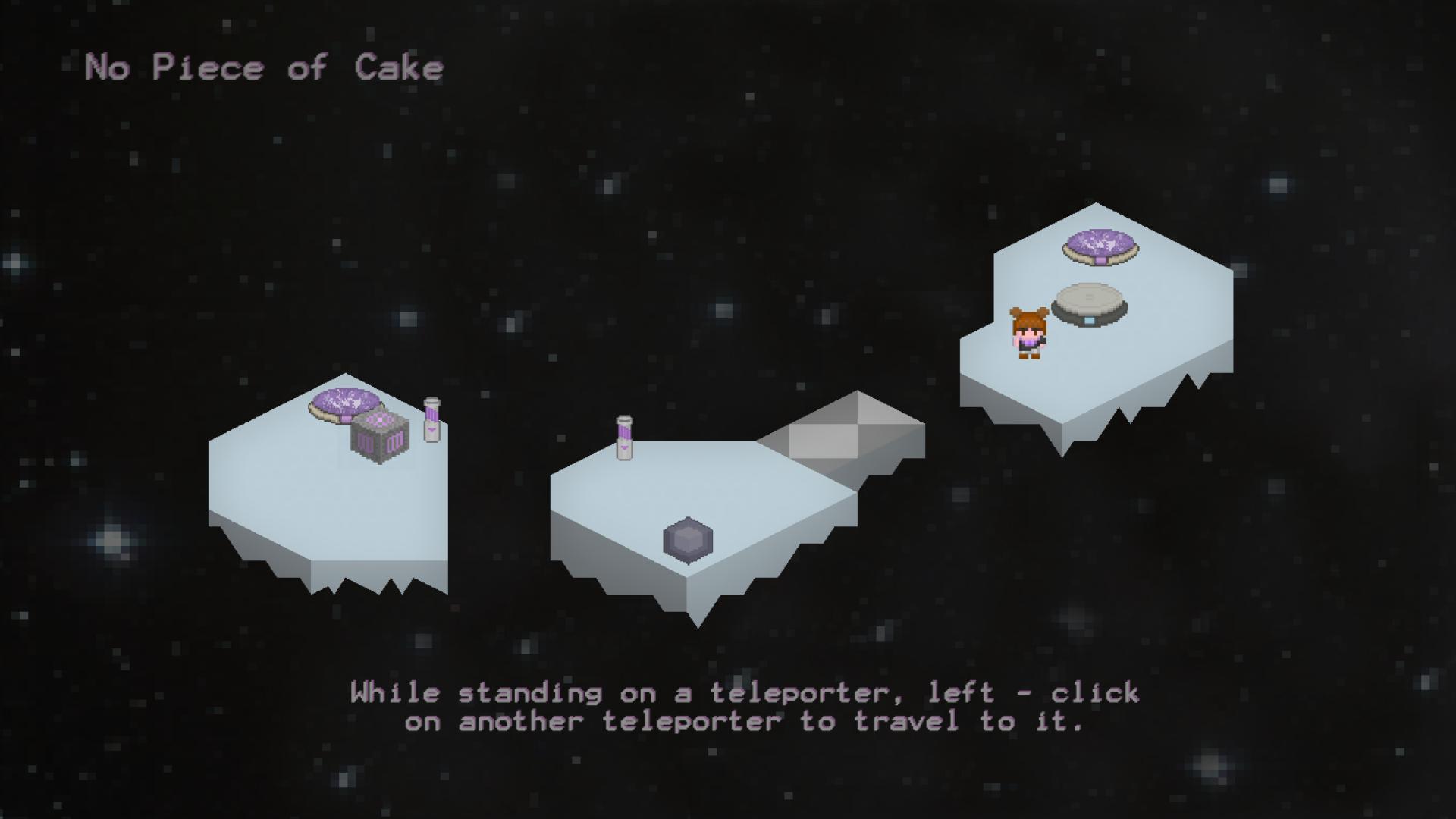
6. Out Of This World (itch)
"Another World," known as "Out of This World" in North America, first captivated players in 1991 with its cinematic approach to platforming. Its minimalist, vector-graphic art style and lack of dialogue forced players to interpret the narrative through environmental cues and character animations. This created an unparalleled sense of discovery and vulnerability, proving that compelling storytelling didn't require extensive text or complex cutscenes. The game's enduring legacy highlights its pioneering role in demonstrating the power of atmospheric design and indirect narrative in interactive media.
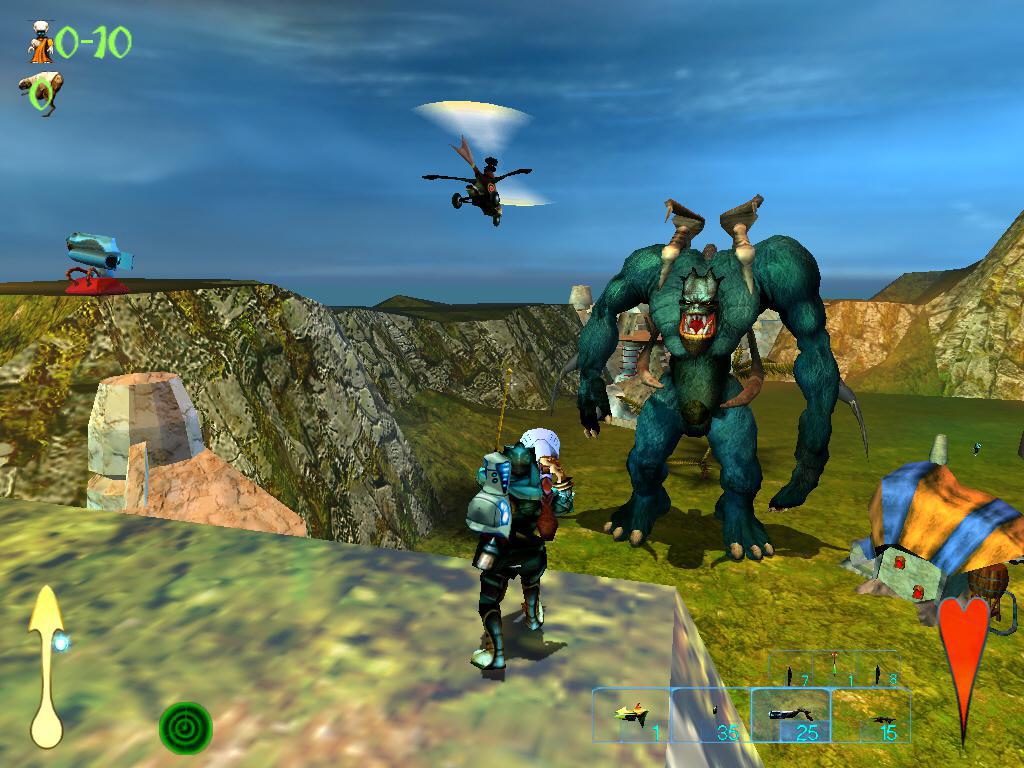
7. Giants: Citizen Kabuto
Planet Moon Studios’ 2000 title, Giants: Citizen Kabuto, was a chaotic, brilliant genre-bender. It seamlessly wove together third-person action, first-person shooting, and real-time strategy elements, allowing players to control three vastly different factions—the comedic Meccaryns, the magical Sea Reapers, and the titular giant Kabuto. This ambitious design, coupled with its irreverent humor and vibrant art style, demonstrated a fearless approach to game development. Giants proved that disparate gameplay mechanics could not only coexist but thrive together, creating a unique, memorable experience.
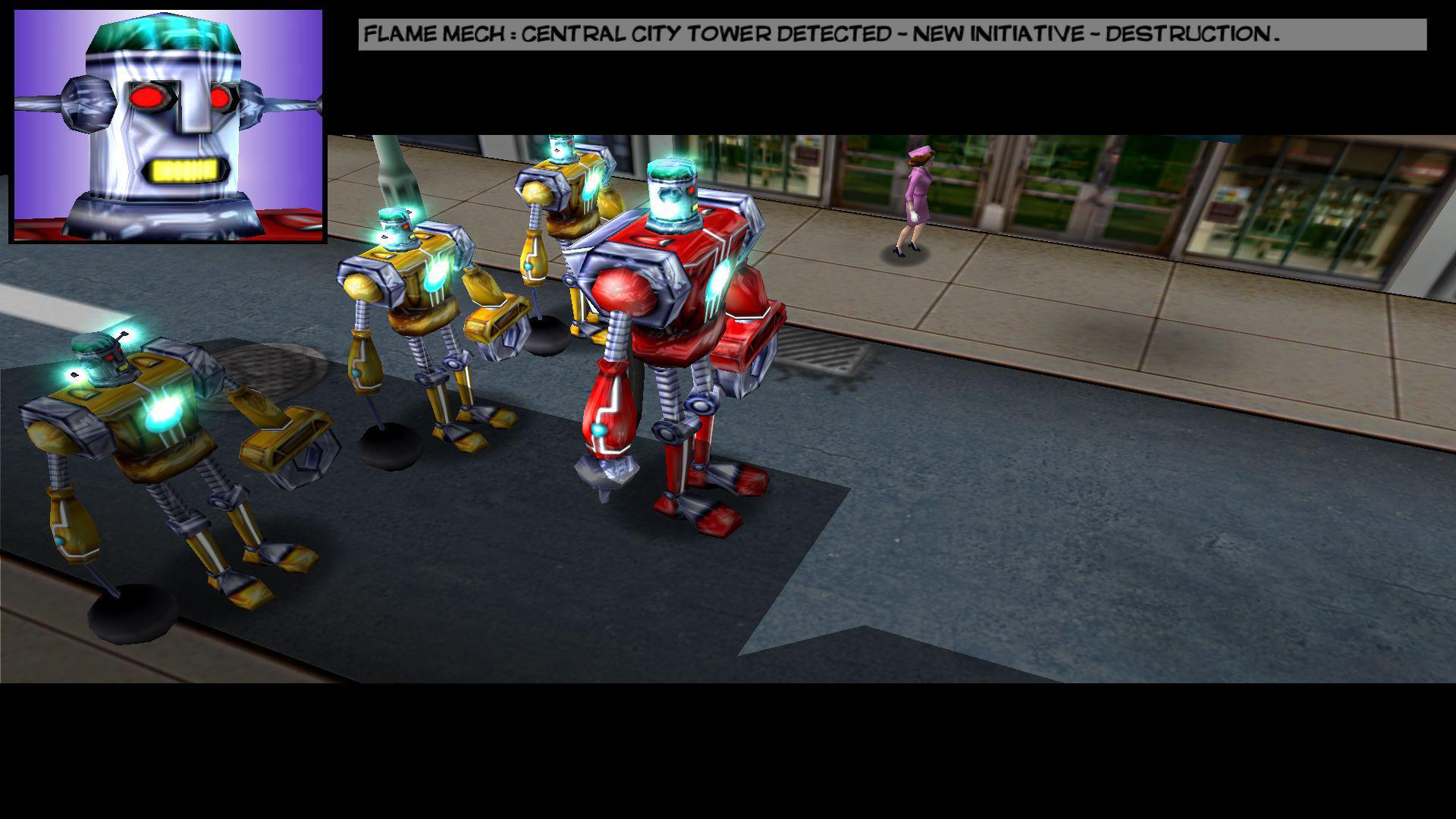
8. Freedom Force
Irrational Games’ Freedom Force, from 2002, injected a much-needed dose of silver-age comic book charm into the tactical RPG genre. Eschewing gritty realism, it embraced a vibrant, cel-shaded aesthetic and a narrative steeped in classic superhero tropes. The game’s innovative 'maneuver' system allowed for precise control over superhero abilities in a real-time-with-pause combat system, demanding strategic positioning and clever use of environmental powers. It was a loving homage that also innovated, proving that tactical depth could thrive within a brightly colored, pulpy setting.
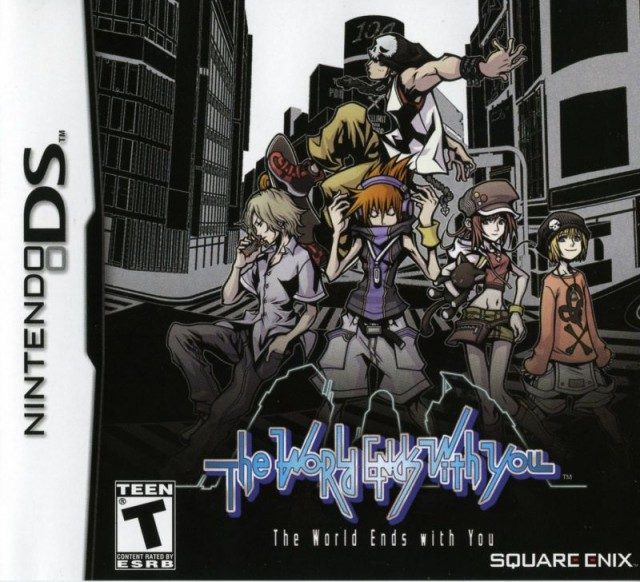
9. The World Ends With You DS
The World Ends With You, released on the Nintendo DS in 2007, was a bold experiment in handheld RPG design. It ingeniously utilized the DS’s dual screens for simultaneous, distinct combat actions, demanding player dexterity and coordination. Set in a hyper-stylized Shibuya, its vibrant art, fashion-forward aesthetic, and iconic soundtrack created an unforgettable urban fantasy. This game defied conventional JRPG structures, offering a fresh, energetic narrative about self-expression and connection that felt perfectly suited to its innovative, touch-and-stylus driven gameplay.