

1 / 6
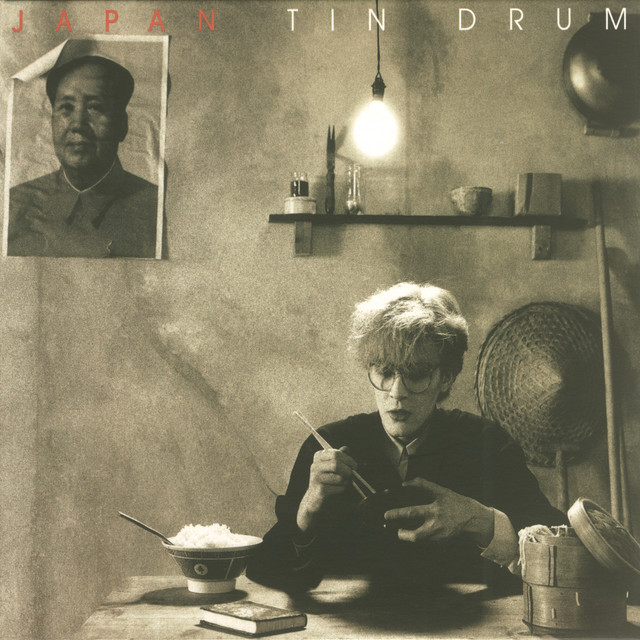
1. Tin Drum
Japan's 'Tin Drum' is a masterpiece of art-rock post-punk, where stark percussion and meticulous analogue synthesis create an almost alien soundscape. David Sylvian’s detached vocal delivery drifts over rhythms informed by traditional Asian music, producing something simultaneously cold, elegant, and deeply emotive. The production is so clean, so precise for 1981, showcasing a mastery of the studio as an instrument, building atmosphere through restraint and unusual textures rather than overt aggression or pop gloss. It’s a profound sonic statement.
2 / 6
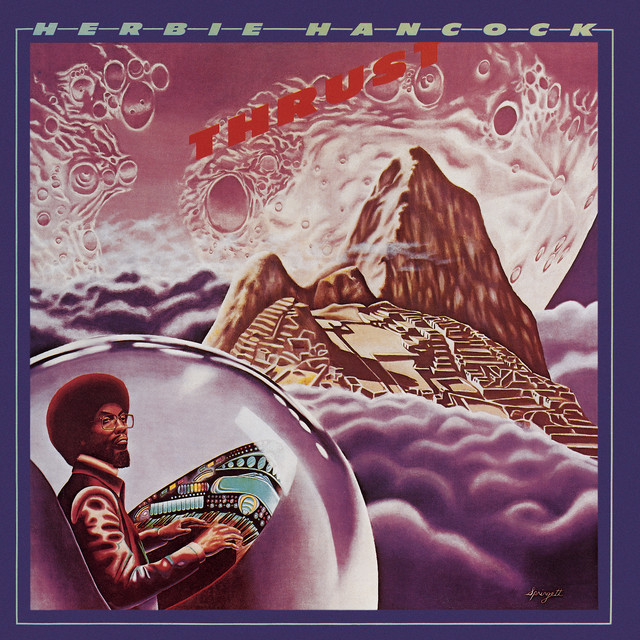
2. Thrust
Herbie Hancock's 'Thrust' stands as a definitive statement of mid-70s jazz-funk fusion. His Fender Rhodes and Clavinet work is simply iconic, weaving liquid lines and percussive jabs through a rhythm section that grooves with almost supernatural tightness. The interplay between acoustic and early electronic instruments, captured with such warmth on analogue tape, demonstrates how synthesis could expand jazz without sacrificing its organic core. It’s an electric, driving sound, brimming with technical prowess and undeniable funk.
3 / 6
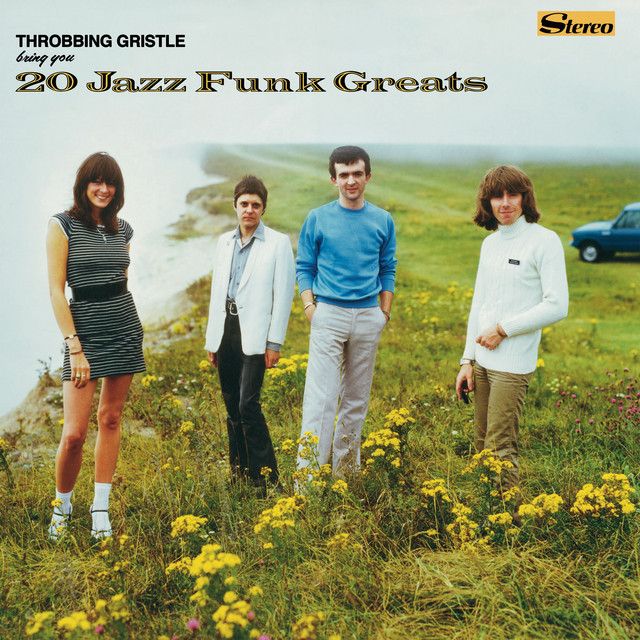
3. 20 Jazz Funk Greats (Remastered)
Throbbing Gristle's '20 Jazz Funk Greats' is, of course, a title steeped in calculated irony. This 1979 release is a brutal, cold slab of industrial sound, meticulously constructed from tape loops, primitive synthesizers, and unsettling vocalizations. It’s an exercise in sonic dread, pushing boundaries with its relentless repetition and abrasive textures. The deliberate rejection of conventional melody and rhythm, crafted in that pre-digital space, created an utterly unique, uncomfortable atmosphere, a blueprint for future sonic deconstruction.
4 / 6

4. Handel : Water Music, Concerti grossi, Israel in Egypt, The Ways of Zion Do Mourn & Semele
While not a contemporary studio creation, these Handel compositions represent a monumental achievement in classical orchestration. The grandeur of 'Water Music' and the dramatic scope of 'Israel in Egypt' showcase intricate counterpoint and powerful brass arrangements. When recorded with care on analogue equipment, the sheer dynamic range and natural acoustics can still convey an overwhelming, almost architectural sonic presence. It’s a foundational expression of musical scale, influencing composition and arrangement far beyond its era.
5 / 6

5. Hosianna Mantra
Popol Vuh's 'Hosianna Mantra' from 1972 is a deeply contemplative and spiritual journey. Florian Fricke's minimalist piano, complemented by the ethereal sitar, tambura, and choral arrangements, creates a profound ambient experience. This isn't about electronic washes but about acoustic instruments recorded with such clarity and spatial awareness that they evoke a transcendental state. It exemplifies how analogue fidelity, especially in Germany's krautrock scene, could capture the delicate nuances of sound, crafting profound sonic meditations.
6 / 6
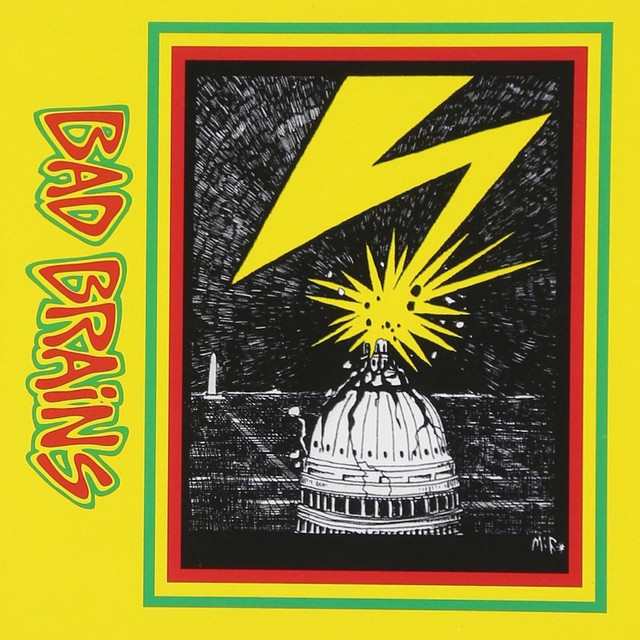
6. Bad Brains
Bad Brains' self-titled debut from 1982 is a relentless, visceral assault, defining the very essence of hardcore punk. H.R.'s dynamic vocals, ranging from furious shouts to melodic bursts, ride atop P.C.P. and Darryl Jenifer’s impossibly fast rhythms and Dr. Know’s blistering guitar work. The raw, immediate analogue recording perfectly captures their explosive energy, making every track feel like a direct punch. It’s a foundational document of speed and aggression, cementing their status as legends.