
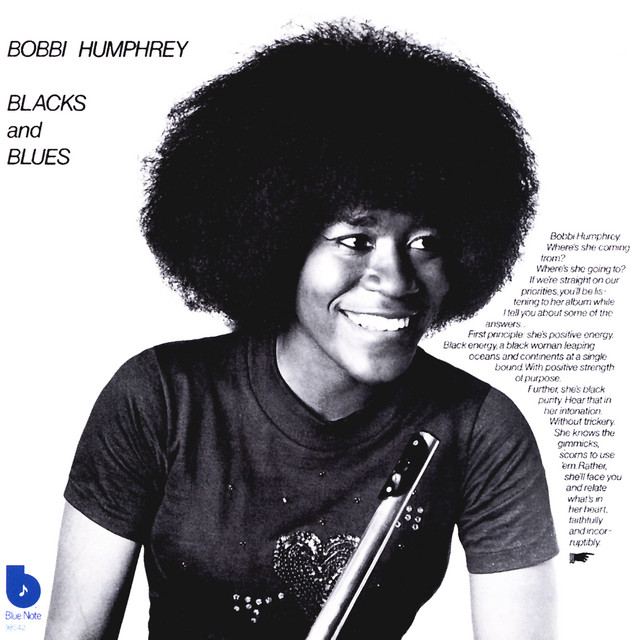
1. Blacks And Blues
Bobbi Humphrey's 1973 album is a masterclass in jazz-funk synthesis, its grooves carved with an undeniable analog warmth. Larry Mizell's production, a hallmark of the period, layered intricate rhythms with Humphrey's flute, creating an almost cinematic soundscape. This wasn't just fusion; it was a blueprint for sophisticated, danceable jazz that permeated R&B and early hip-hop. The studio craft here, all tape and live takes, speaks volumes about the era's sonic fidelity. It's a testament to how organic elements could construct a truly compelling, enduring rhythmic foundation.
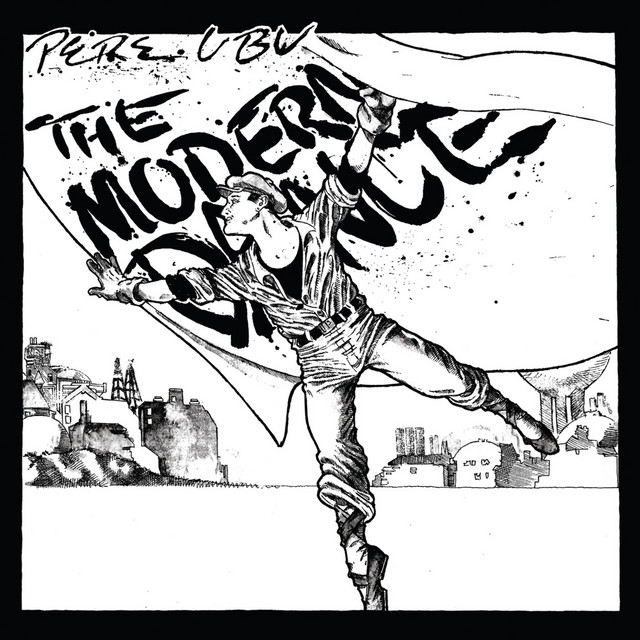
2. The Modern Dance
Pere Ubu's 1978 debut, "The Modern Dance," was a jarring, brilliant art-rock statement. Its angular guitar work, David Thomas's unique vocalizations, and the almost mechanical rhythm section created a sound utterly distinct from its punk contemporaries. The production, raw and unpolished, amplified its confrontational aesthetic, emphasizing texture over sheen. This wasn't about studio trickery; it was about capturing a visceral, intellectual chaos. And, it laid down a critical marker for what post-punk could be: challenging, cerebral, and relentlessly inventive without relying on digital enhancements.
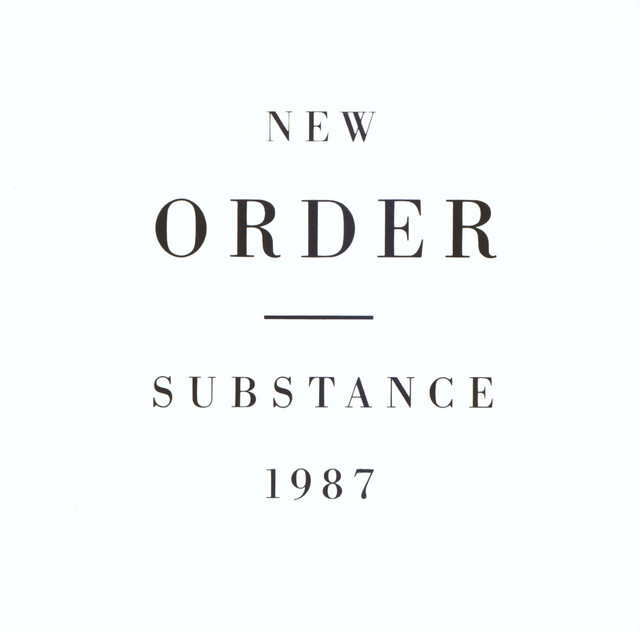
3. Substance
New Order's 1987 "Substance" compilation crystallized their evolution from post-punk angst to electronic dance alchemy. It's a comprehensive document of how analog synthesizers, drum machines, and Bernard Sumner's distinctive guitar merged to forge an entirely new pop sensibility. The sonic architecture, built on powerful basslines and shimmering synth pads, proved that electronic music could possess depth and emotional resonance. And, it's a stellar example of pre-digital studio expertise, where each track’s intricate layering and pristine mixing demonstrated a mastery of the nascent dancefloor sound.

4. Night of Power & Love
Big Black's 1987 "Night of Power & Love" EP was a relentless assault, a potent distillation of industrial aggression and post-hardcore intensity. Steve Albini's production, known for its unflinching clarity and raw power, amplified the mechanical brutality of the drum machine and the searing guitar textures. This wasn't just loud; it was meticulously crafted sonic violence, challenging listeners with its abrasive authenticity. And, it demonstrated how pre-digital studio techniques could generate an utterly bleak, yet compelling, soundscape, pushing the boundaries of what was considered musically palatable.
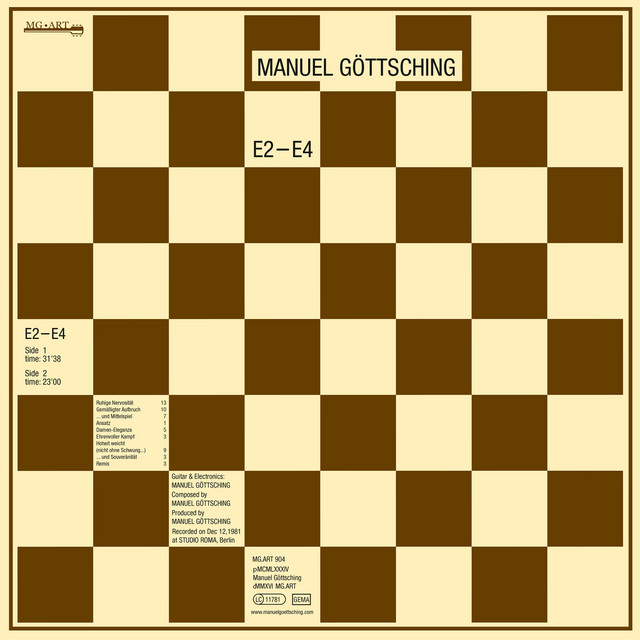
5. E2-E4 (Mixed)
Manuel Göttsching's 1984 "E2-E4" is a singular achievement, a hypnotic, hour-long excursion into minimalist electronic bliss. Crafted entirely with analog gear, its repetitive, evolving guitar motifs and understated synth textures established a foundational blueprint for ambient, house, and techno. This wasn't about bombast, but about subtle shifts and sustained mood, a testament to how focused, unadorned sonic exploration could create profound depth. And, its single-take recording methodology, in an entirely analog studio environment, speaks volumes about spontaneous creation and capturing a moment.
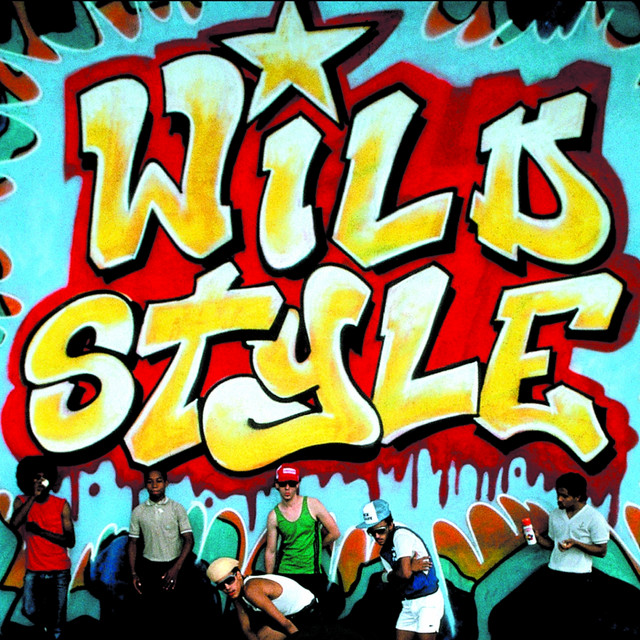
6. Wild Style (Original Motion Picture Soundtrack - 25th Anniversary Edition)
The 1983 "Wild Style" soundtrack, in its original form, was an unparalleled sonic document of nascent hip-hop culture. Capturing raw, unadulterated performances from Grandmaster Flash, Busy Bee, and the Cold Crush Brothers, it perfectly encapsulated the energy of the Bronx. The analog recordings, replete with turntable scratches and live vocal improvisations, showcased the genre's foundational elements before digital polish became prevalent. And, it’s a vital, gritty snapshot of pre-sampler era rap, illustrating how organic, immediate studio work could preserve the vibrant spontaneity of a burgeoning art form.