

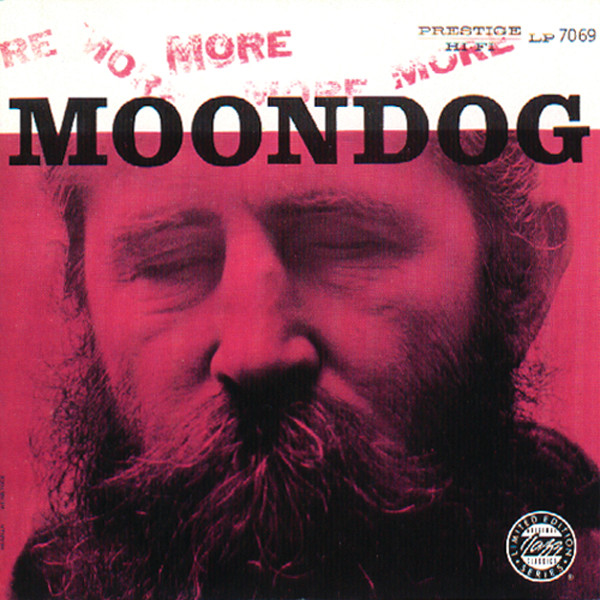
1. More Moondog / The Story Of Moondog
Moondog, the Viking of 6th Avenue, built his own sonic worlds, and this collection captures that singular vision. It’s a rhythmic assault, a kind of primal jazz filtered through a mind unburdened by convention. You hear bebop’s restless spirit, yes, but also the ancient pulse of something deeper, almost a pre-gospel hum. His compositions, often minimalist yet complex, were a stark counterpoint to the era's glossy pop, a true signal from the fringe.
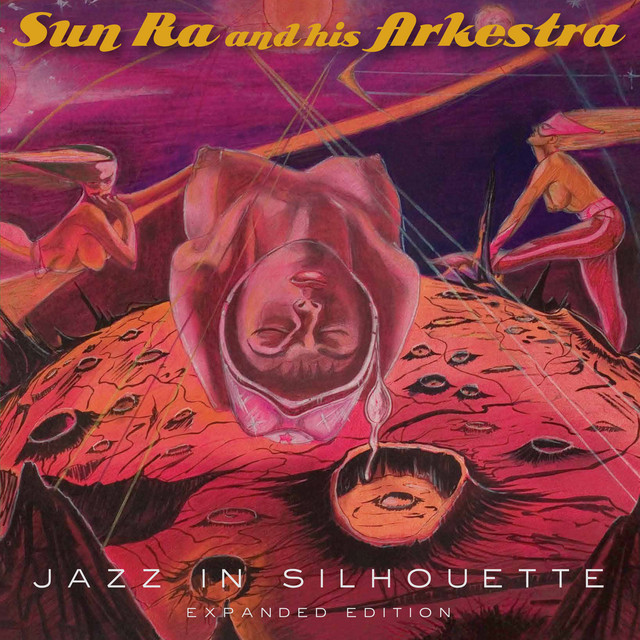
2. Jazz in Silhouette (Expanded Edition)
Sun Ra’s Arkestra, on this expanded journey from 1959, wasn't just playing jazz; they were channeling the cosmos. This isn't your daddy's swing; it’s a celestial bebop, fractured and reassembled, hinting at the free-form explorations that would define the next decade. The rhythms are complex, almost industrial in their precision, yet soaring with a gospel-like fervor. It’s an early blueprint for Afrofuturism, a sound that bypassed the polite mainstream, setting a course for sonic rebellion far beyond Earth's orbit.
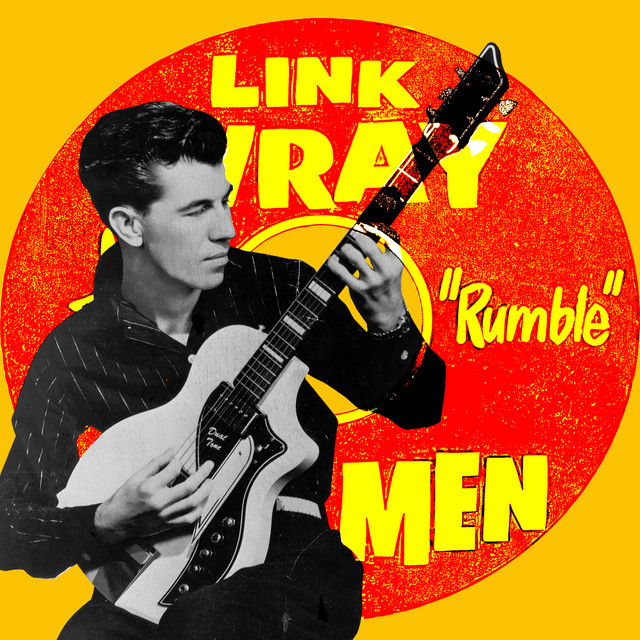
3. Link, Vernon and Doug
Before punk even had a name, Link Wray was tearing holes in speakers. This Wray family affair is pure, unvarnished aggression, a primal scream from the garage. The distortion Link coaxed from his guitar wasn't just a sound; it was an attitude, a blueprint for every hard rock riff and metal breakdown to follow. It was blues, sure, but brutalized and amplified, spitting venom at anything resembling polite society. This record was a switchblade in the face of mainstream niceties, raw and utterly vital.

4. Neutron Nexus 2
"Neutron Nexus 2" sounds like a transmission from a desolate future, cold and calculating. This is where early electronic minimalism meets the rhythmic pulse of industrial, a stark contrast to disco's glitter. The beats are precise, almost mechanical, laying down a foundation of hypnotic krautrock repetition. There's an undercurrent of metallic clang, a stark, unfeeling soundscape that bypasses the human element. It's a challenging listen, certainly not for the radio, but crucial for understanding the cold precision that would influence a generation of electronic experimentalists.
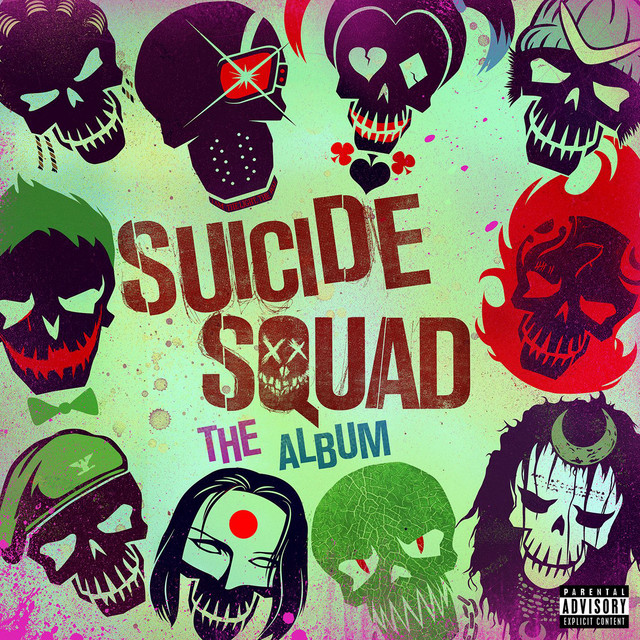
5. Suicide Squad: The Album
Now, the 2016 "Suicide Squad: The Album" is a curious beast. It's a product of the modern machine, attempting to package rebellion for mass consumption. You hear echoes of punk's snarl and industrial's grit, but it’s all polished, domesticated. This isn't a signal that short-circuited anything; it's the mainstream absorbing and neutralizing dissent, turning raw energy into marketing collateral. It lacks the true danger, the genuine outsider spirit of the foundational eras, proving how far the edges have been sanded down.
![Grotesque (After the Gramme) [Expanded Edition]](https://i.scdn.co/image/ab67616d0000b27311bd2617bfb429ccc38c9c96)
6. Grotesque (After the Gramme) [Expanded Edition]
The Fall, with 1980's "Grotesque," carved out a truly unique space in post-punk's jagged landscape. Mark E. Smith’s sneering delivery and cryptic, almost industrial-strength lyrics, backed by a relentless, angular rhythm section, felt like a direct antidote to anything approaching mainstream pop. It’s got the raw energy of punk, but twisted through a more cerebral, almost krautrock-inspired repetition. This was music as intellectual provocation, a challenging, often abrasive sound that refused compromise, cementing their status as true underground architects.