
1 / 6
1. The Corner
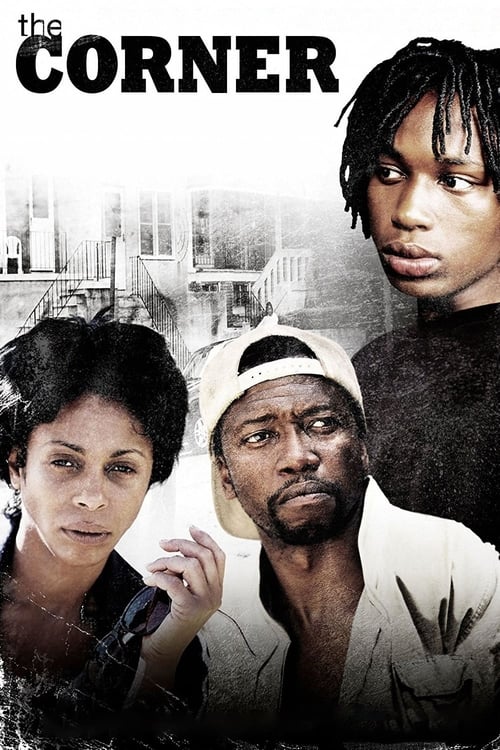
This HBO miniseries arrived like a gut punch. David Simon and Ed Burns took their non-fiction book and built something raw, unflinching. Forget typical episodic arcs; this was a serialized, character-driven saga depicting poverty's brutal realities in West Baltimore. It wasn't just a story; it felt like a documentary, pioneering cable’s dive into prestige, gritty realism years before 24/7 news cycles were common.
2 / 6
2. Boomtown
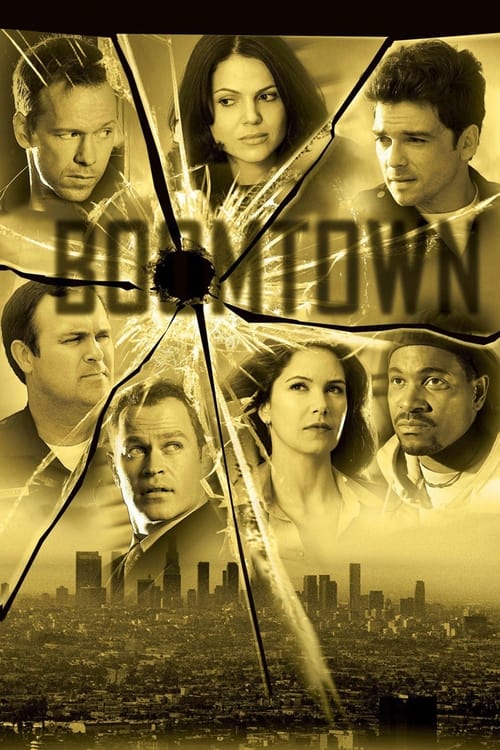
On network TV, no less, Graham Yost's procedural played with narrative structure like nobody's business. Each episode was a puzzle, showing a single crime from multiple, often conflicting, perspectives of cops, victims, and criminals. It was serialized, cinematic, and dared to ask viewers to think. *Boomtown* was ahead of its time, proving network television could be just as ambitious as its cable counterparts.
3 / 6

3. The Comeback
Lisa Kudrow's Valerie Cherish was a cringe masterpiece. This HBO mockumentary perfectly skewered reality TV and the desperation of faded stardom. It wasn't just funny; it was painfully real, pushing the boundaries of what a comedy could be. The handheld camera, the awkward pauses – it felt like we were watching something we shouldn't, laying groundwork for future single-camera, meta-comedies.
4 / 6
4. K Street
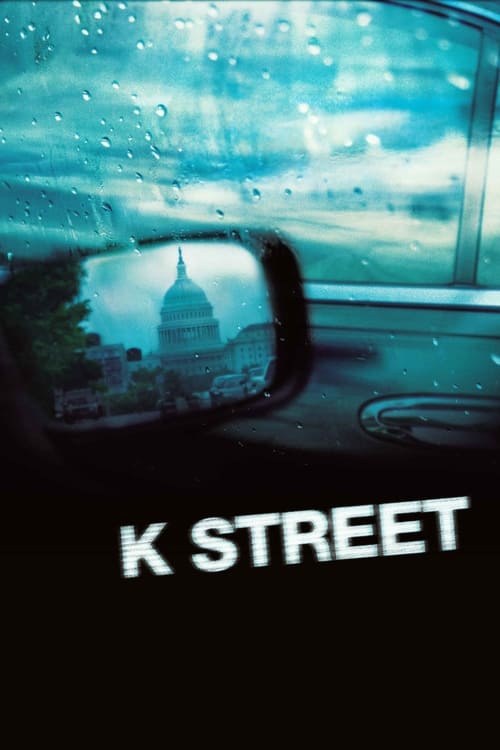
Talk about an experiment. HBO’s *K Street* was a wild, improvised political drama shot in near real-time, blending actual D.C. figures and current events with a fictional narrative. Soderbergh and Clooney threw the rulebook out the window, daring to produce a show so responsive it felt like breaking news. It was a chaotic, ambitious, and utterly unique precursor to today's on-demand, hyper-relevant content.
5 / 6

5. Sports Night
Before *The West Wing*, Aaron Sorkin brought his rapid-fire dialogue and walk-and-talks to a sitcom about a sports news show. Shot single-camera like a film, it blended sharp comedy with genuine drama, creating an ensemble piece that felt more cinematic than anything else on network TV. It challenged the sitcom format, proving a half-hour show could have serialized emotional depth.
6 / 6
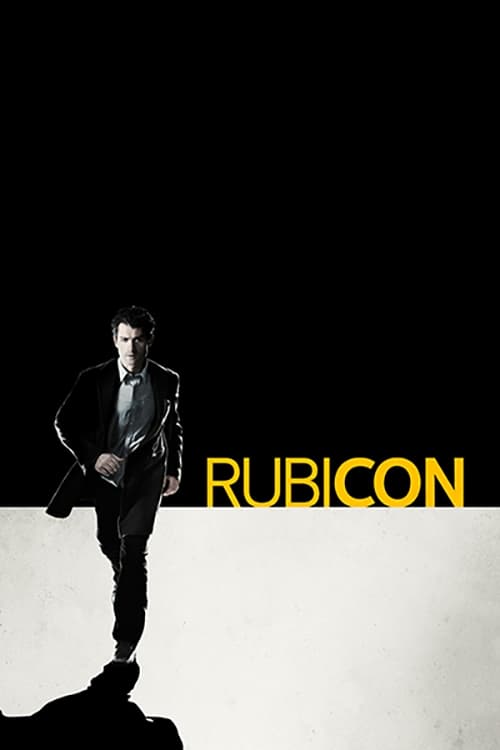
6. Rubicon
AMC, post-*Mad Men* and *Breaking Bad*, doubled down on prestige with *Rubicon*. This was a slow-burn, cerebral conspiracy thriller that prioritized mood and atmosphere over explosive action. It demanded patience, rewarding viewers who invested in its intricate plot and melancholic tone. It showed that cable could deliver sophisticated, serialized storytelling, even if it meant risking a mass audience for artistic integrity.