

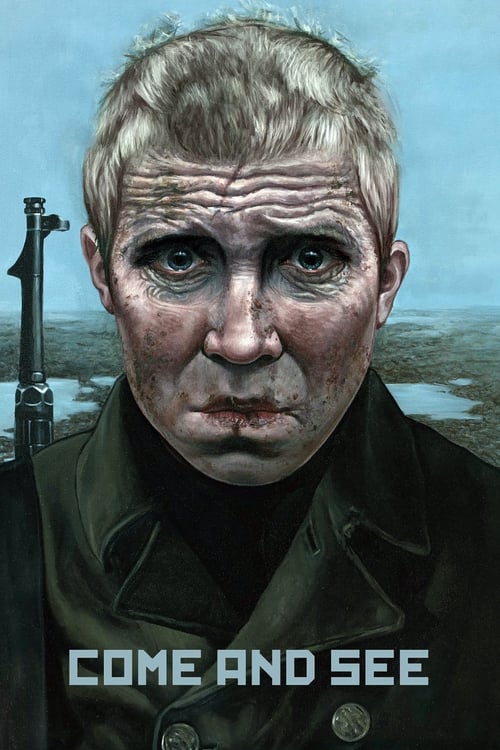
1. Come and See
Elem Klimov's harrowing Belarusian masterpiece is less a film than a descent into a waking nightmare. It meticulously chronicles the psychological unraveling of a young boy amidst the Nazi occupation, depicting atrocity with a visceral, unflinching gaze. The film's relentless intensity and almost hallucinatory realism make it an unparalleled, deeply disturbing testament to the utter destruction of innocence and humanity in conflict. Its impact is permanent.

2. The Pianist
Roman Polanski, drawing from his own wartime experiences, crafts a powerful narrative of survival in the Warsaw Ghetto. Adrian Brody's portrayal of Władysław Szpilman is a study in quiet desperation and resilience, not of heroism, but of simply enduring. The film’s stark realism foregrounds the arbitrary nature of suffering and the profound dehumanization war inflicts, yet also hints at art's fragile, persistent power to connect us to our humanity.

3. Schindler's List
Steven Spielberg's monumental work meticulously reconstructs the Holocaust through the improbable heroism of Oskar Schindler. Filmed in stark black and white, it uses a classical narrative structure to confront unthinkable evil, emphasizing individual choices and the moral complexities of survival. The film's enduring power lies in its testament to the potential for goodness even amidst systematic barbarity, offering a deeply affecting, albeit painful, reflection on history.

4. Grave of the Fireflies
Isao Takahata's animated feature from Studio Ghibli is an achingly beautiful and profoundly tragic exploration of civilian suffering during World War II. It eschews grand battles for the intimate despair of two orphaned siblings, their struggle for survival a heartbreaking testament to innocence lost. This film, with its delicate artistry and devastating emotional core, reminds us that the greatest casualties of war often come far from the front lines.
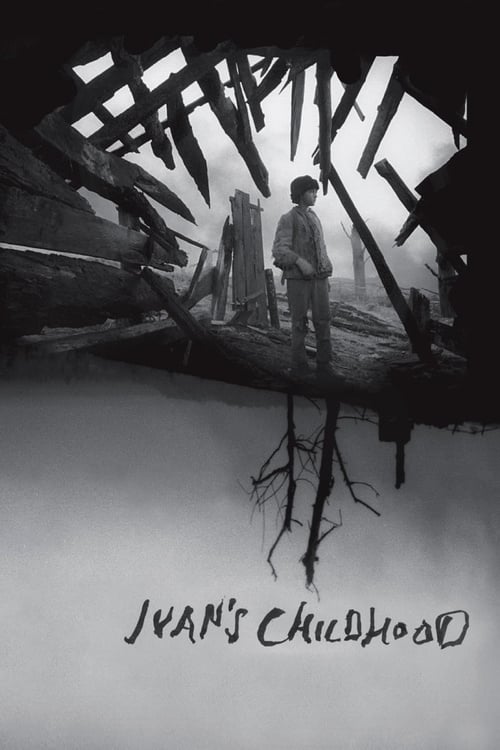
5. Ivan's Childhood
Andrei Tarkovsky's debut feature is a poetic, dream-like meditation on the loss of childhood during wartime. Through the eyes of a vengeful young scout, Ivan, Tarkovsky juxtaposes the brutal realities of conflict with lyrical, fragmented memories of a peaceful past. It's a psychological portrait, less about the mechanics of war and more about its indelible mark on the soul, particularly how it steals the very essence of youth.
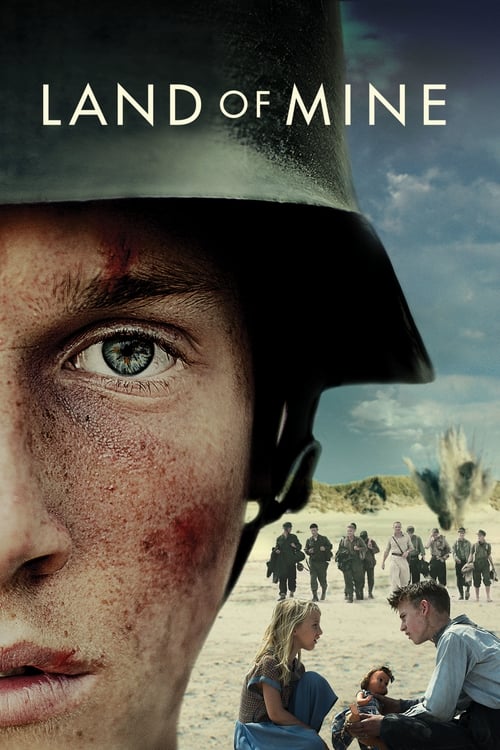
6. Land of Mine
This Danish-German co-production illuminates a lesser-known, morally fraught chapter of post-WWII history: German POWs forced to clear landmines in Denmark. The film carefully builds tension and humanizes both sides, challenging simplistic notions of victor and vanquished. It's a gripping, uncomfortable examination of retribution, empathy, and the hidden, often deadly, legacies that wars leave behind long after the fighting has ceased. A powerful, understated drama.