
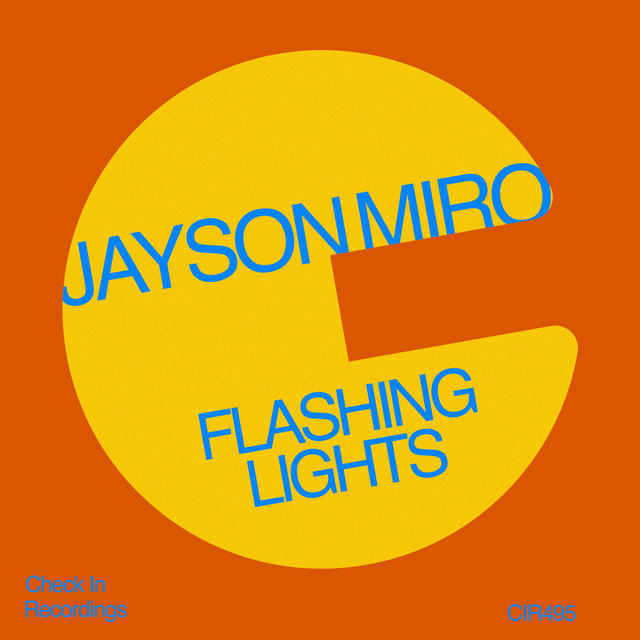
1. Flashing Lights
The P-Funk collective, even in '77, understood the rhythmic imperative. This track is a masterclass in stratified funk; Bootsy's bassline, deceptively simple, establishes a gravitational pull, while the guitars and keys weave a kaleidoscopic tapestry. It's a prime example of analog studio wizardry transforming raw groove into a psychedelic, almost spiritual experience. The interplay of live instrumentation, meticulously recorded, built a blueprint for future sonic explorations.
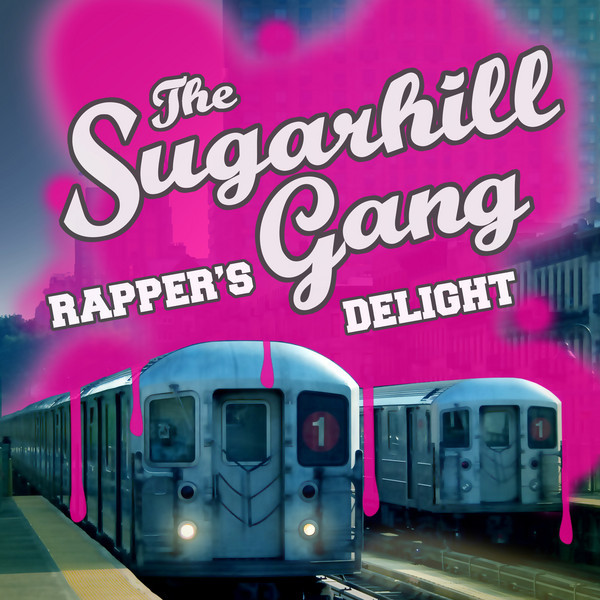
2. Rapper's Delight
To dissect this track is to witness a cultural seismic event. The appropriated Chic rhythm section, replicated with undeniable swagger, provided the bedrock. It's a verbose, almost impossibly long statement, yet its enduring power lies in that foundational loop and the vocalists' charismatic delivery. This wasn't merely music; it was a rhythmic declaration, proving the spoken word could ride a groove, forever altering the landscape of popular music.

3. Blue Monday
This record stands as a monolithic achievement in early electronic music. Its cold, precise machine-driven rhythm, anchored by the iconic Oberheim DMX drum pattern and Peter Hook's bass, felt utterly alien yet compellingly danceable. The layered analog synthesizers created an expansive, almost industrial soundscape. It demonstrated how technology, even in its nascent analog stages, could craft emotional resonance and redefine rhythmic possibility outside traditional instrumentation.
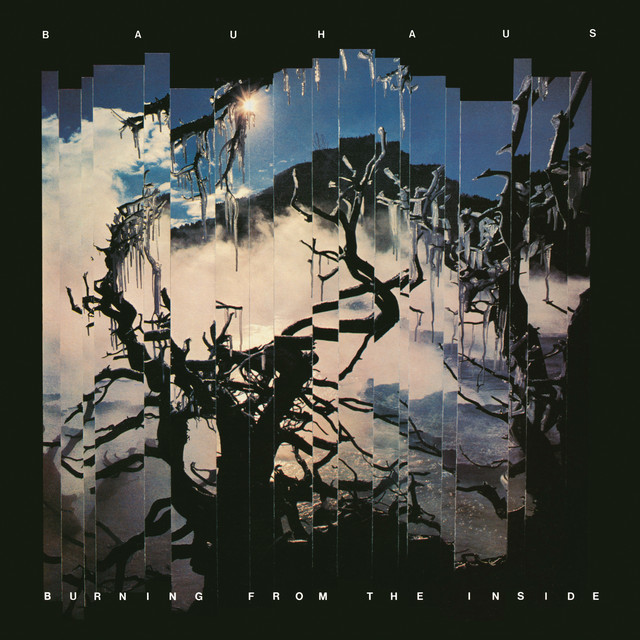
4. Burning from the Inside
Bauhaus consistently explored the darker, more introspective corners of post-punk. This track, titular to their final studio album, exemplifies their art-rock leanings; a brooding, almost elegiac atmosphere permeates its every chord. The sparse, reverb-drenched instrumentation allows Peter Murphy’s vocal gravitas to carry the melancholic narrative. It’s a testament to the power of analog dynamics in crafting profound, dramatic sonic spaces.

5. bela lugosi's dead (demo)
The demo version of "Bela Lugosi's Dead" strips away any pretense, revealing the skeletal brilliance of the original inspiration. Its primal, almost ritualistic drum pattern, coupled with Daniel Ash's stark guitar textures and Murphy's cavernous vocal delivery, creates an unnerving, hypnotic atmosphere. This raw, pre-polish recording showcases how minimal analog instrumentation and judicious use of studio space could conjure such potent, enduring dread.

6. CAN YOU FEEL IT
Larry Heard, as Mr. Fingers, essentially codified deep house with this track. The Roland 707/909 drums provided a skeletal, yet profoundly soulful rhythm, while the ethereal synth pads and that unmistakable Juno bassline created an enveloping warmth. It was a revelation: electronic music could possess such emotional depth and human feel without conventional vocals. An analog hymn for the dancefloor, birthed in Chicago's fertile scene.