


1. Arx Fatalis
Arkane Studios' debut, *Arx Fatalis*, emerged in a period where RPGs were largely going for grander, more open-world designs. Instead, it doubled down on claustrophobic dungeon crawling, intricate environmental puzzles, and a unique rune-drawing magic system. It was an immersive sim before many understood the term, fostering player agency through emergent gameplay in a deeply atmospheric, underground world. Its influence on later titles, like *Dishonored*, is undeniable, despite its quiet reception.
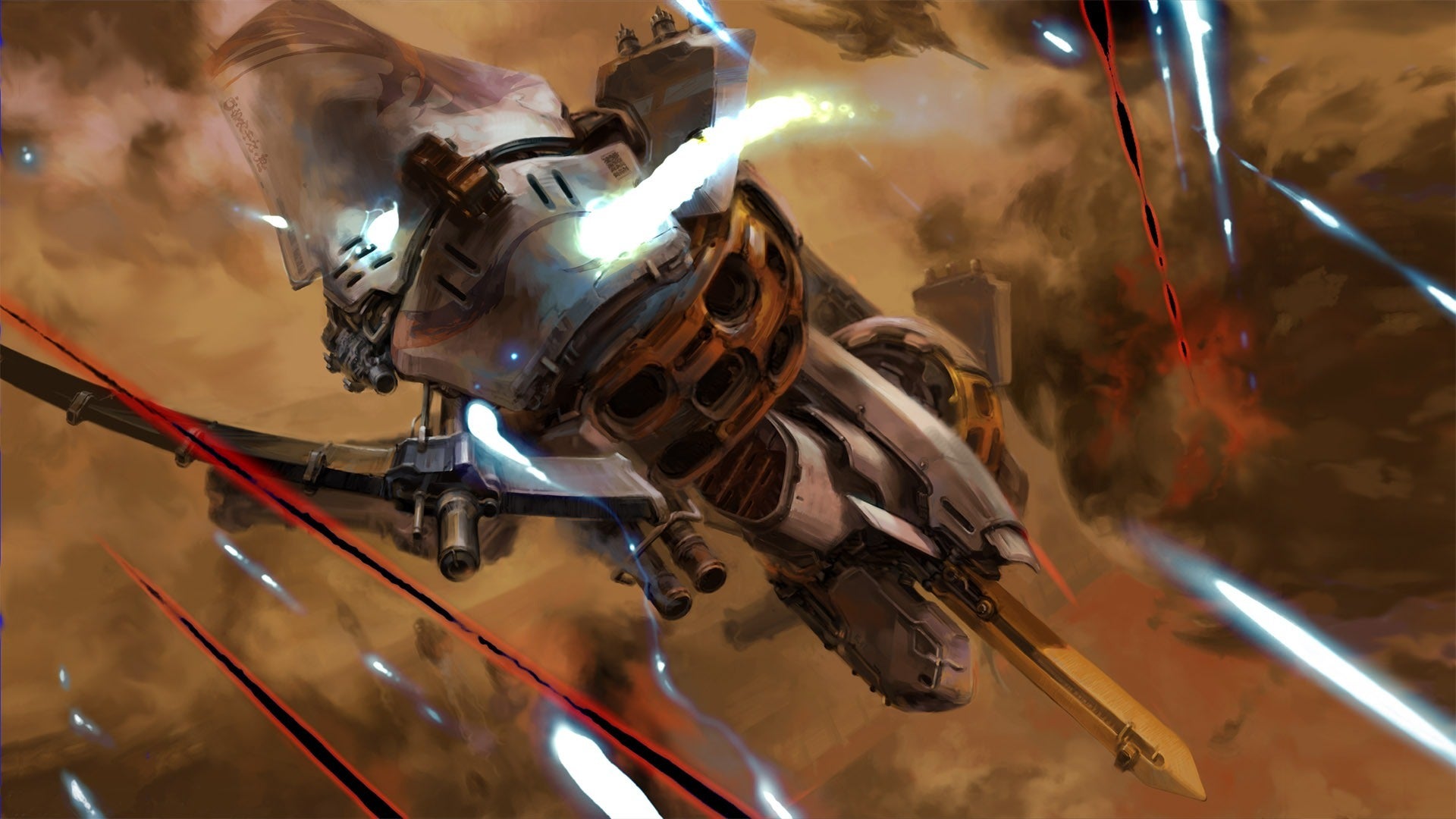
2. Ikaruga
Treasure's *Ikaruga*, a 2001 arcade shooter, didn't just throw more bullets at players; it introduced a polarity-switching mechanic that transformed bullet hell into a strategic puzzle. Players absorbed bullets of their color and dealt double damage to enemies of the opposite. This elegant, high-concept design, wrapped in stark black-and-white aesthetics, forced a fundamental rethink of the genre, elevating twitch reflexes with intellectual depth. It remains a masterclass in focused, challenging gameplay.

3. Pathologic 2
*Pathologic 2* isn't merely a difficult survival game; it’s a philosophical horror experience that systematically disempowers the player. Released in 2019, it forces impossible moral choices and relentless resource scarcity, challenging conventional notions of heroism and gameplay progression. Its narrative unfolds through an unreliable lens, creating a uniquely unsettling atmosphere where failure is part of the story. It quietly pushed boundaries for how games can provoke thought and emotional discomfort, refusing to cater to player convenience.
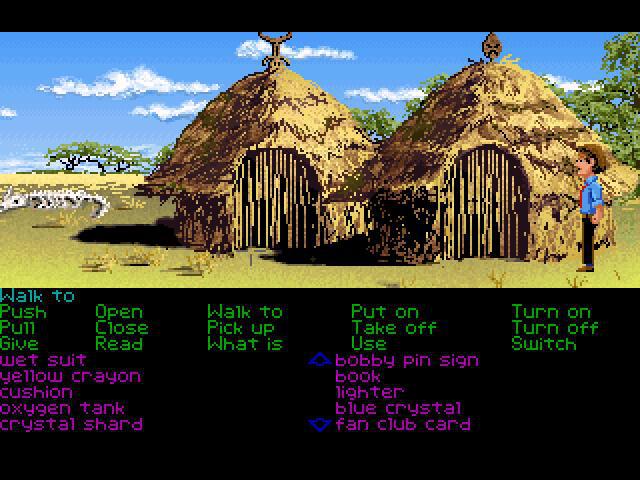
4. Zak McKracken and the Alien Mindbenders
Before LucasArts perfected the SCUMM engine with *Monkey Island*, there was 1988's *Zak McKracken and the Alien Mindbenders*. This quirky point-and-click adventure, with its bizarre plot involving aliens, ancient civilizations, and a two-headed squirrel, quietly laid groundwork for the studio's irreverent humor and non-lethal design philosophy. It encouraged exploration and logic puzzles over inventory pixel-hunting, shaping the adventure game genre's golden age with its distinct personality and playful absurdity.

5. Sleeping Dogs
United Front Games' 2012 *Sleeping Dogs* found itself in a crowded open-world market, yet carved a distinct identity. It eschewed the typical American setting for a vibrant, authentic Hong Kong, delivering a gripping undercover cop narrative steeped in Triad lore. Its fluid, martial arts-infused combat and environmental takedowns were revolutionary, feeling far more impactful than its contemporaries. It quietly redefined expectations for hand-to-hand combat in open-world games, proving that innovative mechanics and strong atmosphere could stand out.
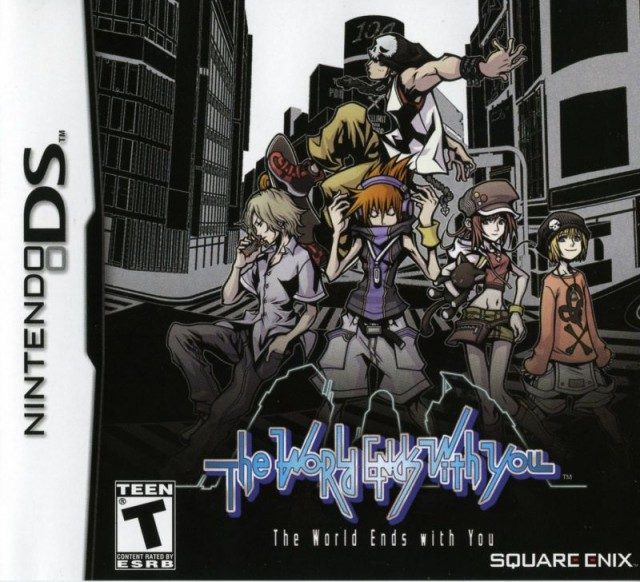
6. The World Ends With You DS
*The World Ends With You* on the Nintendo DS, released in 2007, was a bold statement. It integrated Shibuya's street culture into its very fabric, from fashion-based stats to a unique, dual-screen combat system that forced players to manage two characters simultaneously. Its innovative touch controls and compelling narrative, centered on social alienation and self-discovery, pushed the boundaries of what JRPGs could be, both mechanically and thematically. It quietly proved the DS's potential for truly unique game design.